Quote · Added 14 February 2026
Our truest life is when we are in dreams awake.
Henry David ThoreauWalden, p. 90, 1854
No ratings yet
Quote · Added 14 February 2026
There's something almost rebellious about Thoreau's idea that our real life happens when we're daydreaming—especially in a world that treats focus and productivity like moral virtues. He's not talking about spacing out or avoiding reality. He means those moments when you're fully present but also fully imaginative, when you're engaged with something that genuinely matters to you, not just going through motions.
Think about when you're actually alive: maybe you're absorbed in a conversation that's going somewhere unexpected, or working on a project that fascinates you, or walking through a place that makes you notice things. You're not asleep, but you're not trapped in routine either. You're thinking and feeling and creating simultaneously. That's the state Thoreau means. Most people spend their days half-awake, checking boxes and running scripts they didn't write.
The twist is that this "dreaming awake" isn't selfish or impractical—it's where actual meaning happens. You can't live authentically, make real decisions, or contribute anything original while you're sleepwalking through life. The people who change things, who create things, who feel satisfied by their days, are usually the ones willing to stay a little visionary about how they spend their time. Your truest life isn't waiting for retirement or perfect conditions. It starts when you stop pretending you're not capable of waking up.
1817–1862·lived 44 years
Henry David Thoreau was an American essayist, poet, and philosopher, known for his transcendentalist writings advocating for individualism, nature appreciation, and civil disobedience. He is best known for his book "Walden, or Life in the Woods," which reflects on simple living in natural surroundings and has inspired generations of environmentalists and activists.
Also by Henry David Thoreau
That man is richest whose pleasures are cheapest.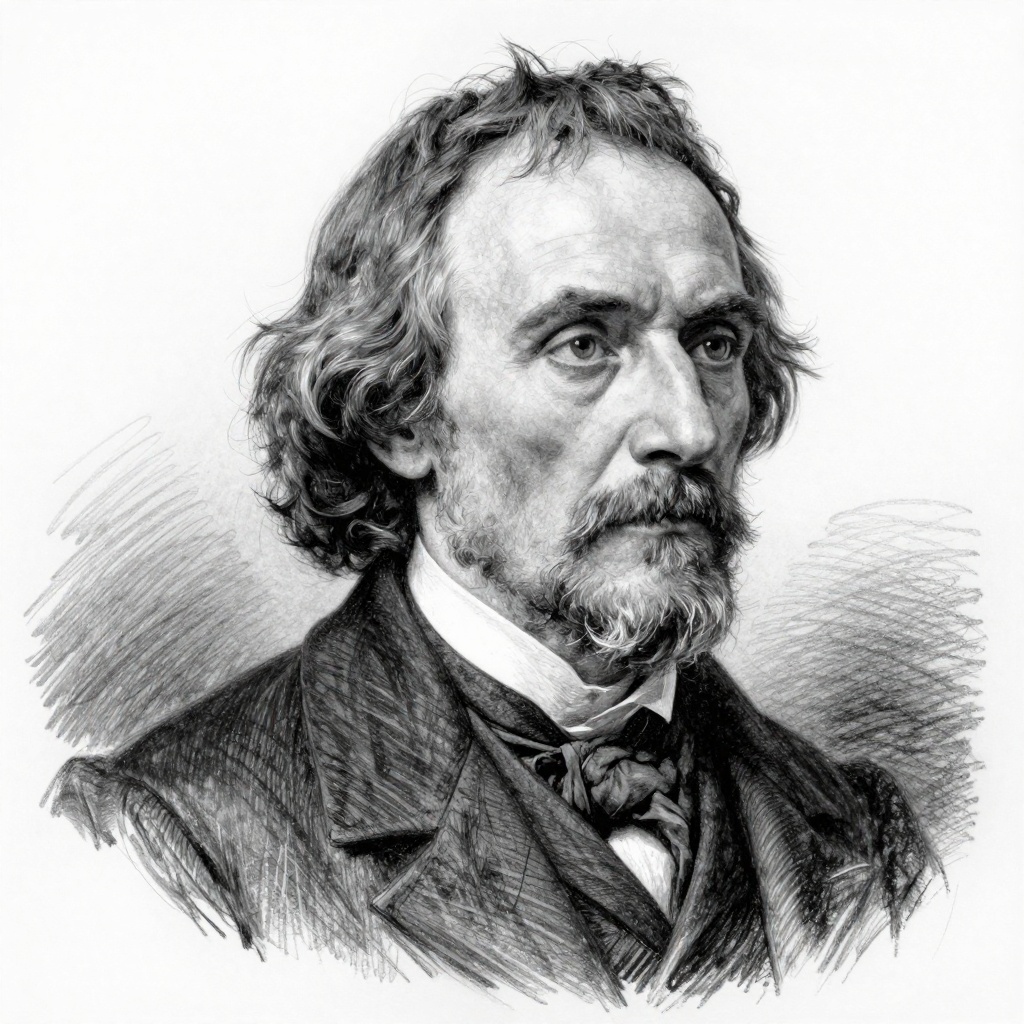
Comments