Quote · Added 14 February 2026
Not until we are lost do we begin to understand ourselves.
Henry David ThoreauThe Maine Woods, p. 123, 1864
No ratings yet
Filed underlost·self-discovery·understanding
Quote · Added 14 February 2026
Filed underlost·self-discovery·understanding
There's something counterintuitive about this that most of us learn the hard way. We spend so much energy trying to stay on course—following the path we think we're supposed to take, hitting the milestones everyone expects. But it's often only when that plan falls apart, when we miss a turn or realize we've been walking the wrong direction entirely, that we actually get curious about who we are beneath all the assumptions.
Getting lost strips away the autopilot. Suddenly you can't rely on the script anymore. You have to figure out what you actually want instead of what looks good from the outside. A job loss, a failed relationship, a move to a new city—these disorienting moments force a kind of honest inventory. Without the familiar landmarks, you notice which way you naturally turn, what you genuinely care about, where you've been pretending.
The tricky part is that we resist this clarity precisely because it's uncomfortable. We'd rather stay somewhat lost in a familiar way than face the uncomfortable truths that real lostness reveals. But Thoreau's point holds: the confusion itself is the teacher. It's not the destination of being found again that matters—it's what you learn about yourself while you're actually wandering.
1817–1862·lived 44 years
Henry David Thoreau was an American essayist, poet, and philosopher, known for his transcendentalist writings advocating for individualism, nature appreciation, and civil disobedience. He is best known for his book "Walden, or Life in the Woods," which reflects on simple living in natural surroundings and has inspired generations of environmentalists and activists.
Also by Henry David Thoreau
That man is richest whose pleasures are cheapest.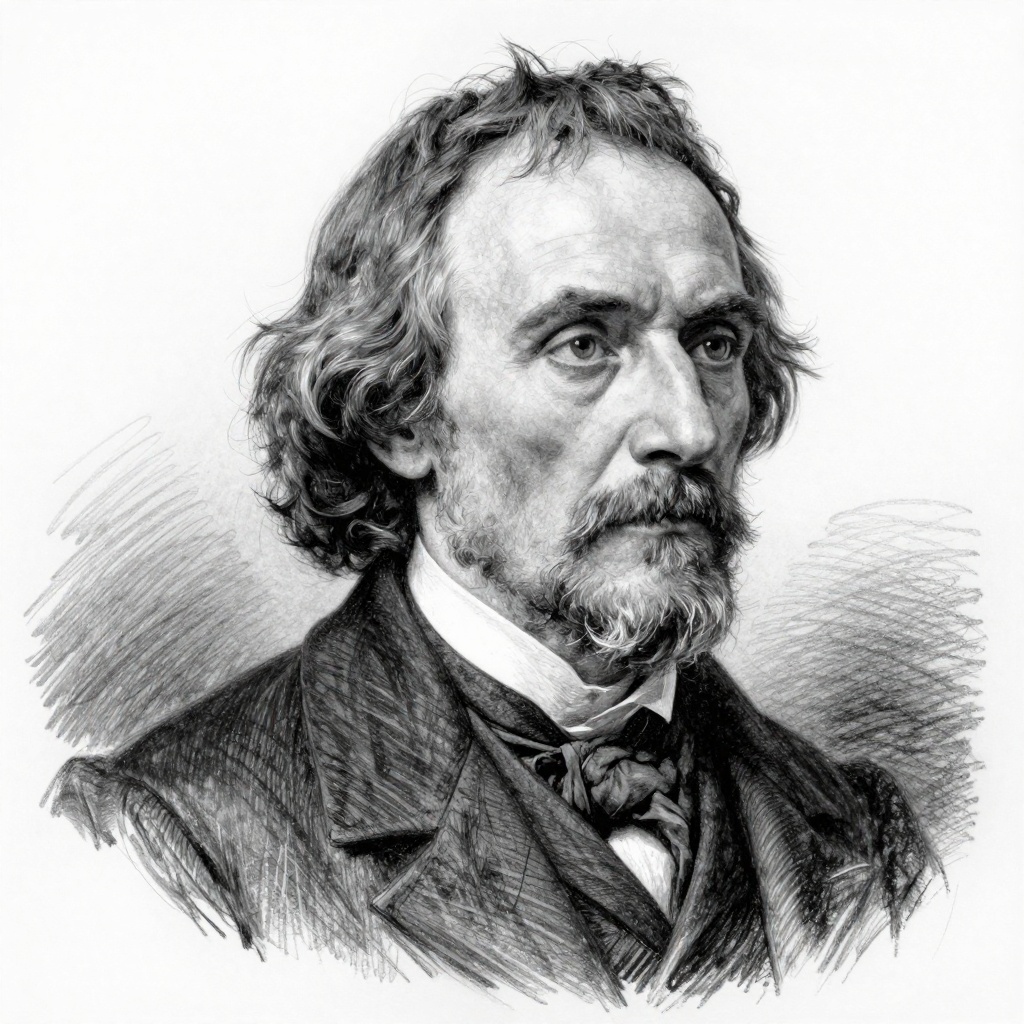
Comments