Quote · Added 14 February 2026
Never look back unless you are planning to go that way.
No ratings yet
Filed underfuture·reflection·intention
Quote · Added 14 February 2026
Filed underfuture·reflection·intention
We hear a lot about learning from the past, and that matters. But there's a particular kind of backward-looking that just drains energy without teaching anything: the replaying of old conversations, the "what if I'd said this instead" spirals, the comparison of your Chapter 3 to someone else's Chapter 20. Thoreau's point cuts through that noise. Looking back makes sense only when it actually informs your next move. Otherwise, it's just nostalgia dressed up as reflection.
The tricky part is that our brains are wired to do this backward-looking automatically, especially when we're uncertain about what comes next. It feels safer to examine what already happened than to commit to a direction. But that safety is an illusion. You end up stuck between two moments, fully present in neither.
What if you flipped the script? Before you drift back into yesterday, ask yourself what you're actually going to do with that memory. Are you extracting a genuine lesson? Planning a correction? Or just marinating in what you can't change? Thoreau isn't saying ignore your past. He's saying that meaningful backward-glancing is purposeful. The rest is just weight you're carrying for no reason.
1817–1862·lived 44 years
Henry David Thoreau was an American essayist, poet, and philosopher, known for his transcendentalist writings advocating for individualism, nature appreciation, and civil disobedience. He is best known for his book "Walden, or Life in the Woods," which reflects on simple living in natural surroundings and has inspired generations of environmentalists and activists.
Also by Henry David Thoreau
That man is richest whose pleasures are cheapest.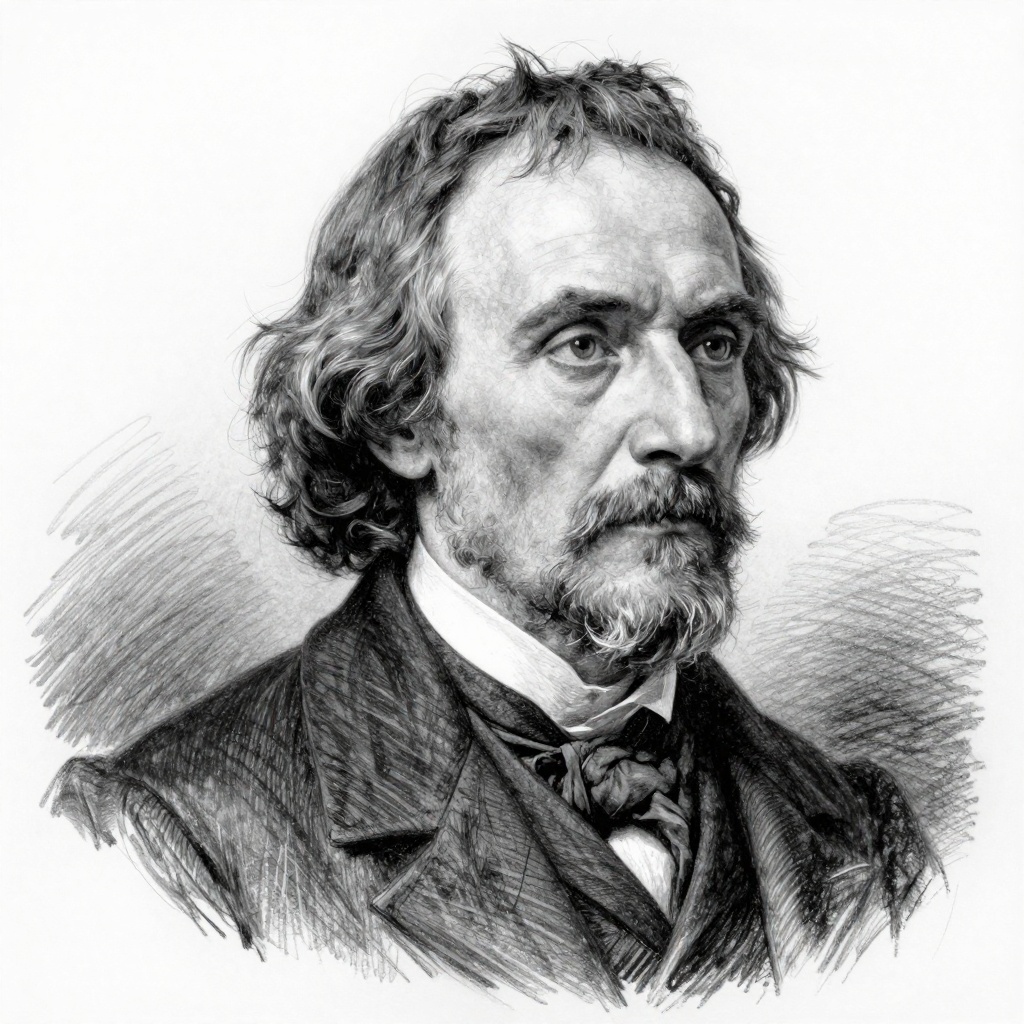
Comments