Quote · Added 14 February 2026
Nature is full of genius, full of the divinity; so that not a snowflake escapes its fashioning hand.
Henry David ThoreauWalden, p. 83, 1854
No ratings yet
Quote · Added 14 February 2026
There's something that shifts when you actually look at a single snowflake instead of just trudging through snow. Thoreau is pointing at a real thing here: the universe doesn't seem to phone it in on the small stuff. A snowflake's geometry is genuinely intricate, formed by rules we're still figuring out. You could dismiss this as just physics and chemistry doing its thing, but there's a weird generosity to it anyway—care taken on something that melts and vanishes.
This matters now because we're drowning in manufactured things designed to be "good enough," algorithms that settle for acceptable, mass-produced lives that feel interchangeable. We've gotten comfortable with the idea that excellence only matters for things people will notice. Thoreau's suggestion that nature doesn't differentiate—that the invisible snowflake gets the same attention as the visible mountain—is quietly radical. It's a challenge to how we spend our own attention and effort. If you're going to make something, even something small that no one watches, maybe it deserves the real thing. Maybe the quality matters not because someone's grading it, but because you're doing the fashioning.
1817–1862·lived 44 years
Henry David Thoreau was an American essayist, poet, and philosopher, known for his transcendentalist writings advocating for individualism, nature appreciation, and civil disobedience. He is best known for his book "Walden, or Life in the Woods," which reflects on simple living in natural surroundings and has inspired generations of environmentalists and activists.
Also by Henry David Thoreau
That man is richest whose pleasures are cheapest.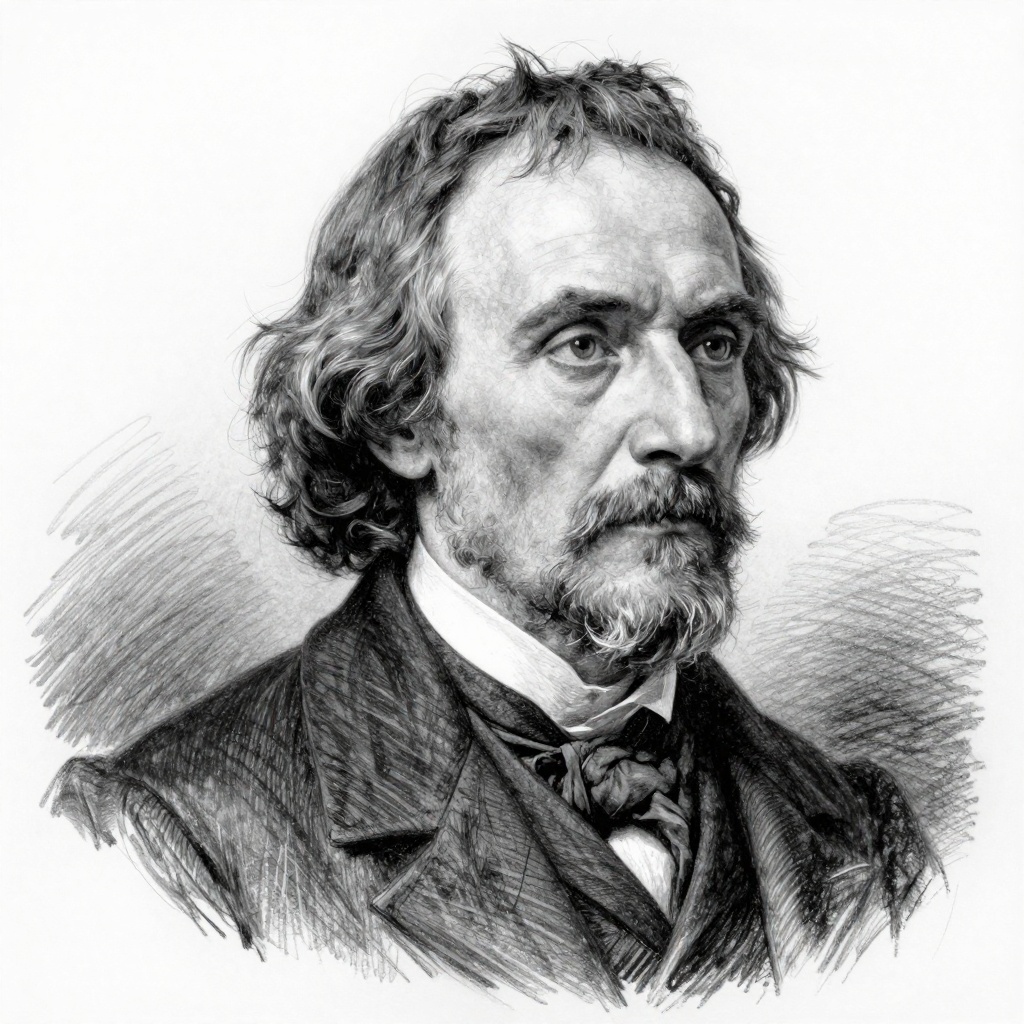
Comments