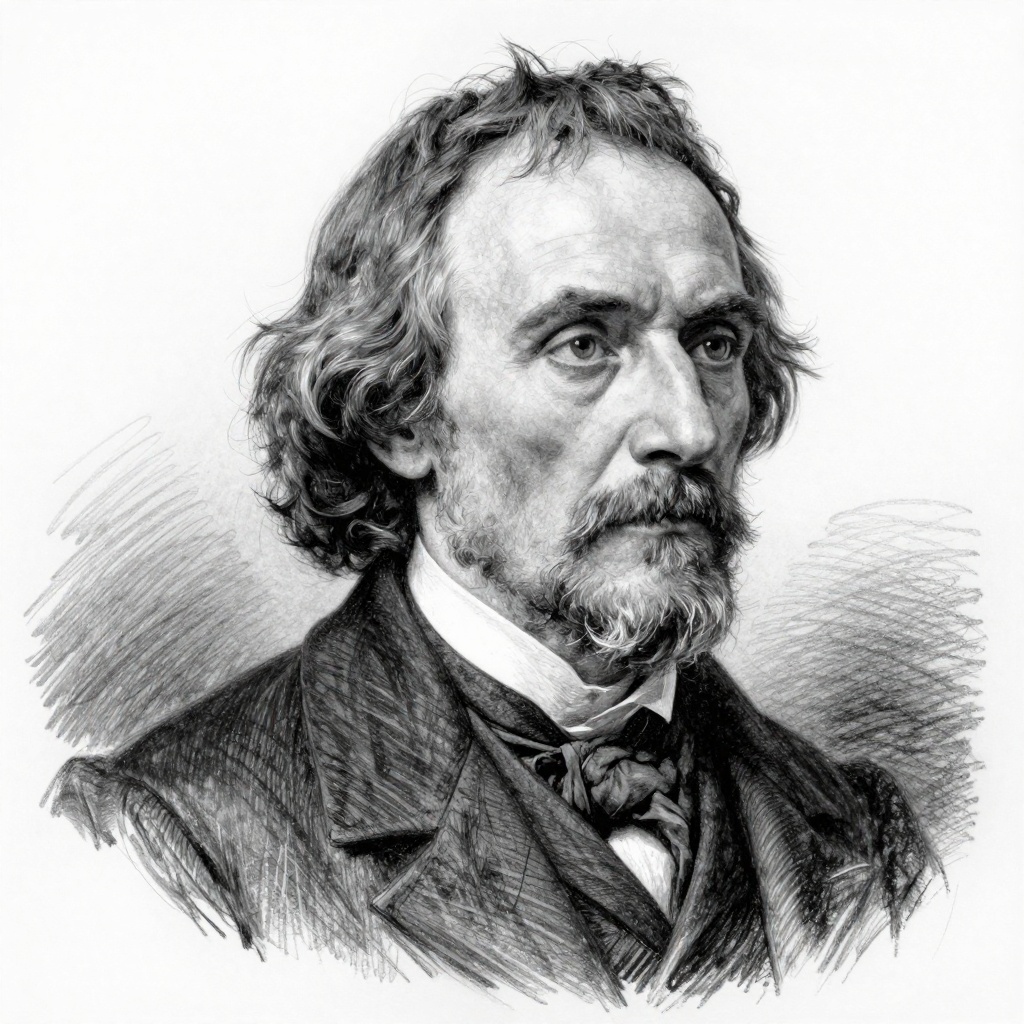
If the machine of government is of such a nature that it requires you to be the agent of injustice to another,... — Henry David Thoreau
If the machine of government is of such a nature that it requires you to be the agent of injustice to another, then, I say, break the law.
Author: Henry David Thoreau
Insight: There's a particular kind of moral trap that creeps up in modern life: you're just doing your job, following the rules, and suddenly you realize the rules themselves are asking you to hurt someone. A manager enforcing a policy they know is unfair. A bureaucrat processing paperwork that denies someone help they desperately need. An employee asked to stay silent about something wrong. We tell ourselves the system is bigger than us, that rules exist for a reason, that we're not personally responsible. Thoreau pushes back hard on that comfort. His point isn't romantic rebellion. It's practical: if the machine of government—or by extension, any institution—has been designed or has evolved to require you specifically to participate in injustice, then obedience becomes complicity. The rule itself becomes illegitimate. That's a genuinely uncomfortable idea because it means you can't hide behind "just following orders" or "that's how things work." It puts responsibility directly on your shoulders. The non-obvious part? Thoreau isn't calling for chaos. He's identifying a specific moment: when the gap between law and justice becomes so wide that following one violates the other. That moment is rarer than we use it as an excuse, but more common than we admit when it actually arrives. The question isn't whether you'll break a rule someday—it's whether you'll recognize when the real lawlessness is the law itself.
Source: Civil Disobedience, 1849