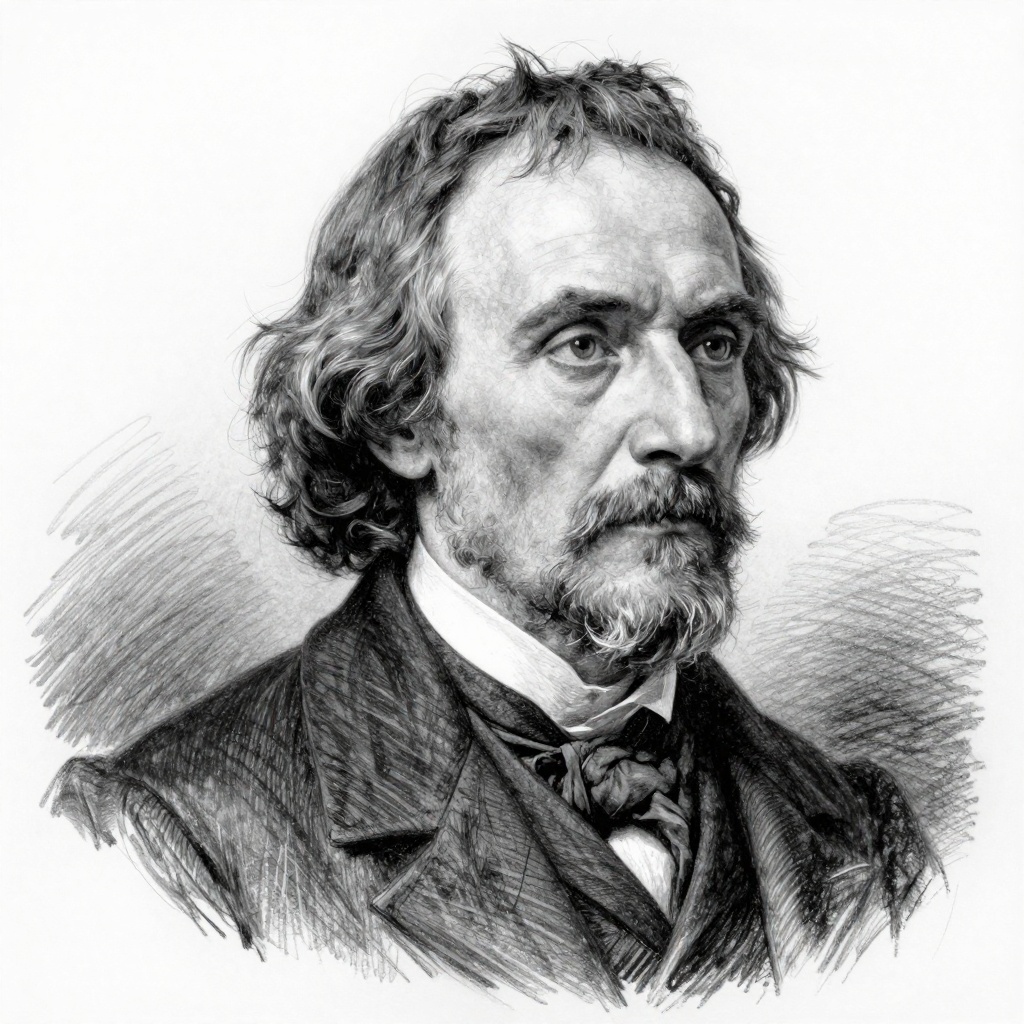
If one advances confidently in the direction of his dreams, and endeavors to live the life which he has imagin... — Henry David Thoreau

If one advances confidently in the direction of his dreams, and endeavors to live the life which he has imagined, he will meet with a success unexpected in common hours.

Author: Henry David Thoreau

Insight: There's a particular kind of success that doesn't announce itself on a resume or show up in a salary bump. It's the success of actually becoming the person you meant to become—and Thoreau is pointing to something real about how that happens. When you stop hedging your bets and genuinely move toward what matters to you, something shifts. You start noticing opportunities that only appear to people heading in that direction. You attract collaborators who share your values. You recognize the small wins that matter to you specifically, not the ones you think you're supposed to want. The tricky part is that this kind of success feels invisible while you're building it. You might spend months or years doing work that looks unremarkable from the outside—writing in a cabin, starting a side project nobody's heard of, learning something impractical. The "common hours" pass without fanfare. But then one day you realize you've actually built something real, or you've become someone capable, or you've stopped feeling like a fraud in your own life. What makes this quote still sharp is how it cuts through the desperation of always looking for the validation signal. Thoreau isn't promising effortless achievement or that confidence alone will get you there. He's saying the momentum of moving deliberately, even when progress is slow, compounds in ways you couldn't have predicted. The success you stumble into while living according to your own compass tends to feel more durable than anything handed to you.

Source: Walden, Conclusion, 1854

If one advances confidently in the direction of his dreams, and endeavors to live the life which he has imagined, he will meet with a success unexpected in common hours.

Henry David ThoreauWalden, Conclusion, 1854

Success arrives quietly when you stop hedging

There's a particular kind of success that doesn't announce itself on a resume or show up in a salary bump. It's the success of actually becoming the person you meant to become—and Thoreau is pointing to something real about how that happens. When you stop hedging your bets and genuinely move toward what matters to you, something shifts. You start noticing opportunities that only appear to people heading in that direction. You attract collaborators who share your values. You recognize the small wins that matter to you specifically, not the ones you think you're supposed to want.

The tricky part is that this kind of success feels invisible while you're building it. You might spend months or years doing work that looks unremarkable from the outside—writing in a cabin, starting a side project nobody's heard of, learning something impractical. The "common hours" pass without fanfare. But then one day you realize you've actually built something real, or you've become someone capable, or you've stopped feeling like a fraud in your own life.

What makes this quote still sharp is how it cuts through the desperation of always looking for the validation signal. Thoreau isn't promising effortless achievement or that confidence alone will get you there. He's saying the momentum of moving deliberately, even when progress is slow, compounds in ways you couldn't have predicted. The success you stumble into while living according to your own compass tends to feel more durable than anything handed to you.

Comments

Sign in to leave a comment or reply to one.

Sign in

Henry David Thoreau

Henry David Thoreau was an American essayist, poet, and philosopher, known for his transcendentalist writings advocating for individualism, nature appreciation, and civil disobedience. He is best known for his book "Walden, or Life in the Woods," which reflects on simple living in natural surroundings and has inspired generations of environmentalists and activists.

Graph

Related