Quote · Added 14 February 2026
I know of no more encouraging fact than the unquestionable ability of man to elevate his life by conscious endeavor.
Henry David ThoreauWalden, p. 86, 1854
No ratings yet
Filed underability·endeavor·encouragement
Quote · Added 14 February 2026
Filed underability·endeavor·encouragement
There's something quietly radical about this idea: you're not stuck. Not because of circumstance, luck, or what you were born into, but because the one thing entirely in your control—where you direct your attention and effort—actually works. Thoreau isn't talking about positive thinking or wishful dreaming. He means conscious, deliberate choice. The daily decision to read instead of scroll, to have the hard conversation, to show up differently.
What makes this encouraging rather than demanding is that it doesn't require you to overhaul everything at once. Small, intentional shifts accumulate. The person who decides to walk instead of drive, who learns something new, who breaks one harmful habit—they're not being naive about their problems. They're recognizing that change isn't impossible, just patient work. And that's somehow more realistic than waiting for external forces to rescue you.
The slightly uncomfortable part? If you can elevate your life through conscious effort, then you're also responsible for not doing it. But that's actually freeing. It means the next choice is always available. Tomorrow, you could decide differently. That's not burden—that's possibility.
1817–1862·lived 44 years
Henry David Thoreau was an American essayist, poet, and philosopher, known for his transcendentalist writings advocating for individualism, nature appreciation, and civil disobedience. He is best known for his book "Walden, or Life in the Woods," which reflects on simple living in natural surroundings and has inspired generations of environmentalists and activists.
Also by Henry David Thoreau
That man is richest whose pleasures are cheapest.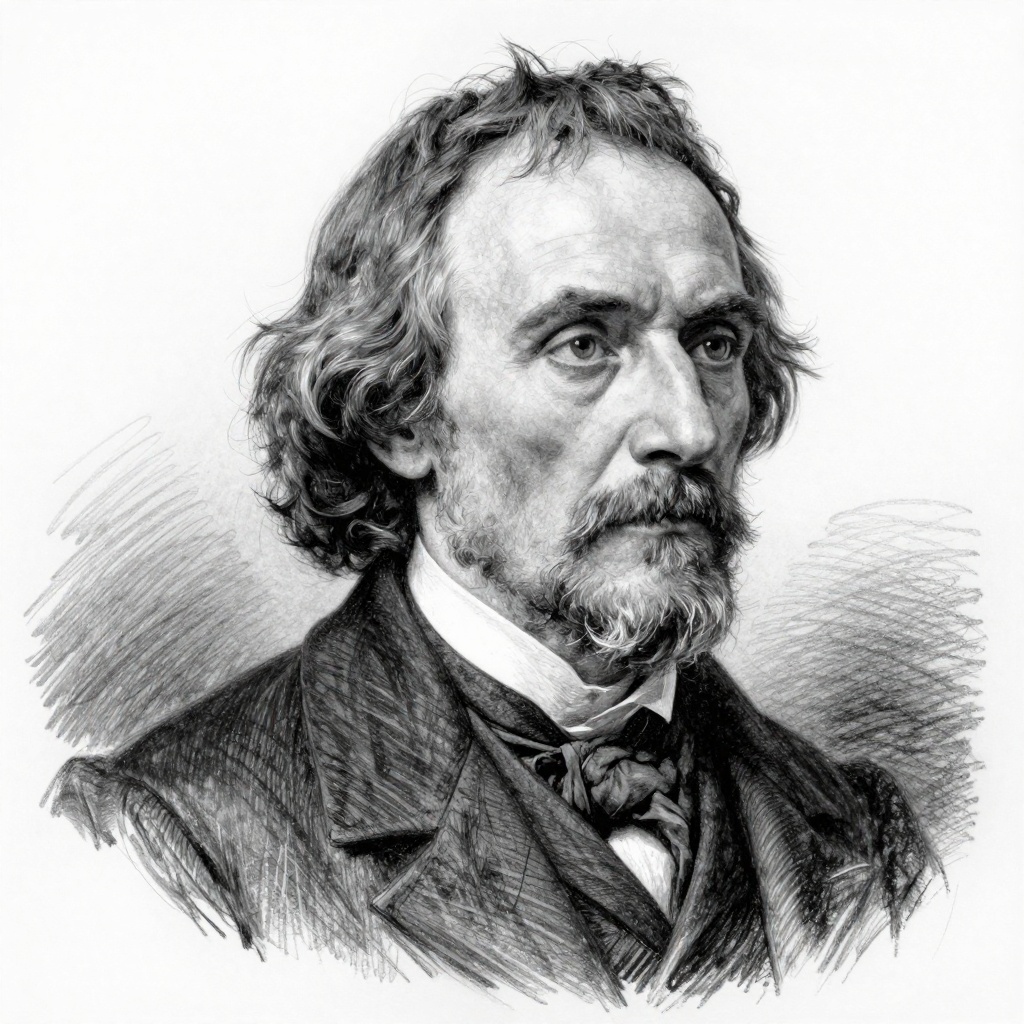
Comments