Quote · Added 14 February 2026
I had three chairs in my house; one for solitude, two for friendship, three for society.
Henry David ThoreauWalden, p. 86, 1854
No ratings yet
Filed underchairs·solitude·friendship
Quote · Added 14 February 2026
Filed underchairs·solitude·friendship
There's something quietly radical about thinking of your space this way—not in terms of square footage or aesthetic, but in terms of what you're actually trying to do there. Thoreau's three chairs aren't really about furniture. They're about acknowledging that you need different things at different times, and that's not a flaw to fix. It's something to plan for.
Most of us feel guilty about the solitude part, like we should always be "on" for others. Or we overcommit to the society chair—too many obligations, too many voices in the room—and forget that the alone time isn't selfish. It's maintenance. And the friendship chair, sitting there for two, is maybe the most precious of all: intimate but not intense, present but not on stage. Thoreau is saying these aren't competing needs. They're all you.
What makes this still land today is that we've somehow digitized everything into one blurry space. Your phone is all three chairs at once, which means it's actually none of them. You can't really be alone when notifications are pinging. You can't have true friendship when you're also half-performing for an audience of hundreds. Maybe the real point is that you still need to physically, intentionally create these spaces—literal corners, real transitions—in order to actually live in them.
1817–1862·lived 44 years
Henry David Thoreau was an American essayist, poet, and philosopher, known for his transcendentalist writings advocating for individualism, nature appreciation, and civil disobedience. He is best known for his book "Walden, or Life in the Woods," which reflects on simple living in natural surroundings and has inspired generations of environmentalists and activists.
Also by Henry David Thoreau
That man is richest whose pleasures are cheapest.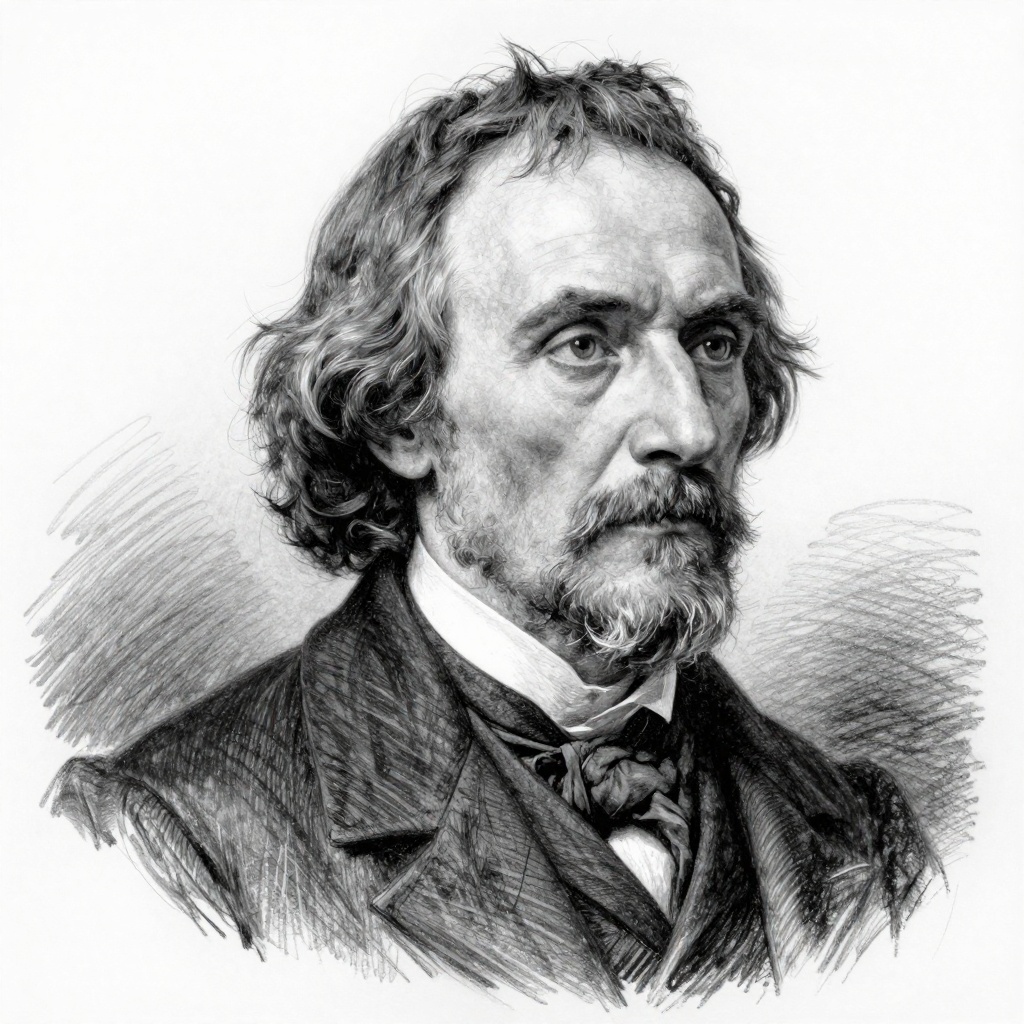
Comments