Quote · Added 14 February 2026
Heaven is under our feet as well as over our heads.
Henry David ThoreauWalden, p. 63, 1854
No ratings yet
Filed underheaven·perspective·nature
Quote · Added 14 February 2026
Filed underheaven·perspective·nature
Most of us imagine paradise as somewhere else—a distant reward, a future state, a place we'll reach if we get everything right. Thoreau's point cuts against that. He's suggesting that transcendence isn't a destination you earn through perfect behavior or a location marked on some cosmic map. It's available right now, literally beneath you, in the soil and the present moment.
This matters because we're often trained to dismiss our immediate surroundings as ordinary or inadequate. We wait for vacations, promotions, or life changes before we allow ourselves to feel wonder. But if heaven is under our feet, that means the small, unglamorous places we occupy daily—your backyard, a local park, the sidewalk you walk every morning—hold as much possibility for awe as anywhere else. It's not about the place. It's about attention.
The non-obvious part? This actually makes life harder in one sense. If paradise is everywhere, you can't blame your location for your discontent. You can't wait for better circumstances to feel alive. Instead you're responsible for noticing what's already there. That's demanding. But it's also liberating—you don't need permission or resources to access the sacred. You just need to look down.
1817–1862·lived 44 years
Henry David Thoreau was an American essayist, poet, and philosopher, known for his transcendentalist writings advocating for individualism, nature appreciation, and civil disobedience. He is best known for his book "Walden, or Life in the Woods," which reflects on simple living in natural surroundings and has inspired generations of environmentalists and activists.
Also by Henry David Thoreau
That man is richest whose pleasures are cheapest.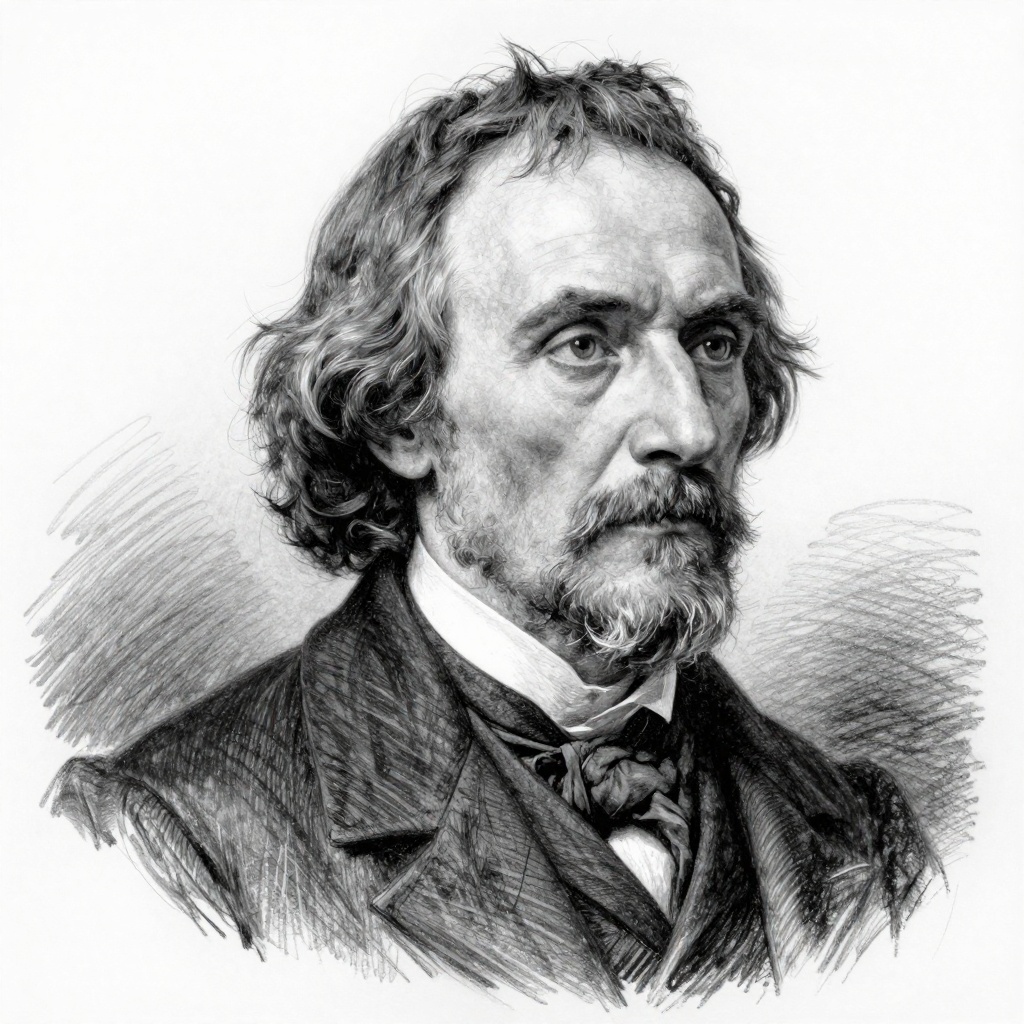
Comments