Quote · Added 29 October 2023
Every generation laughs at the old fashions, but follows religiously the new.
Henry David ThoreauWalden, p. 134, 1854
No ratings yet
Quote · Added 29 October 2023
We all like to think we're above fashion, that we make independent choices based on what actually works or what we genuinely like. Yet most of us wear almost identical jeans to our friends, adopt the same phone we see everyone else carrying, or suddenly start using words that didn't exist two years ago. We're not doing this consciously—it's just what feels normal now. The twist is that the people mocking outdated trends are usually the most devoted followers of current ones. Your grandmother's shoulder pads look ridiculous to you, but ten years from now, someone will feel exactly the same about your aesthetic choices. You won't see it coming.
What makes this observation sting a little is that it applies beyond clothing. We follow the new religiously in our politics, our parenting styles, our career advice, even our wellness habits. The cycle accelerates now—trends move faster, spread wider, and create stronger peer pressure through social media. Thoreau's point isn't that you should reject everything new or cling to the old. It's that recognizing our own conformity, the way we're quietly swept along by invisible currents, might be the only honest first step toward making choices that are actually ours.
1817–1862·lived 44 years
Henry David Thoreau was an American essayist, poet, and philosopher, known for his transcendentalist writings advocating for individualism, nature appreciation, and civil disobedience. He is best known for his book "Walden, or Life in the Woods," which reflects on simple living in natural surroundings and has inspired generations of environmentalists and activists.
Also by Henry David Thoreau
That man is richest whose pleasures are cheapest.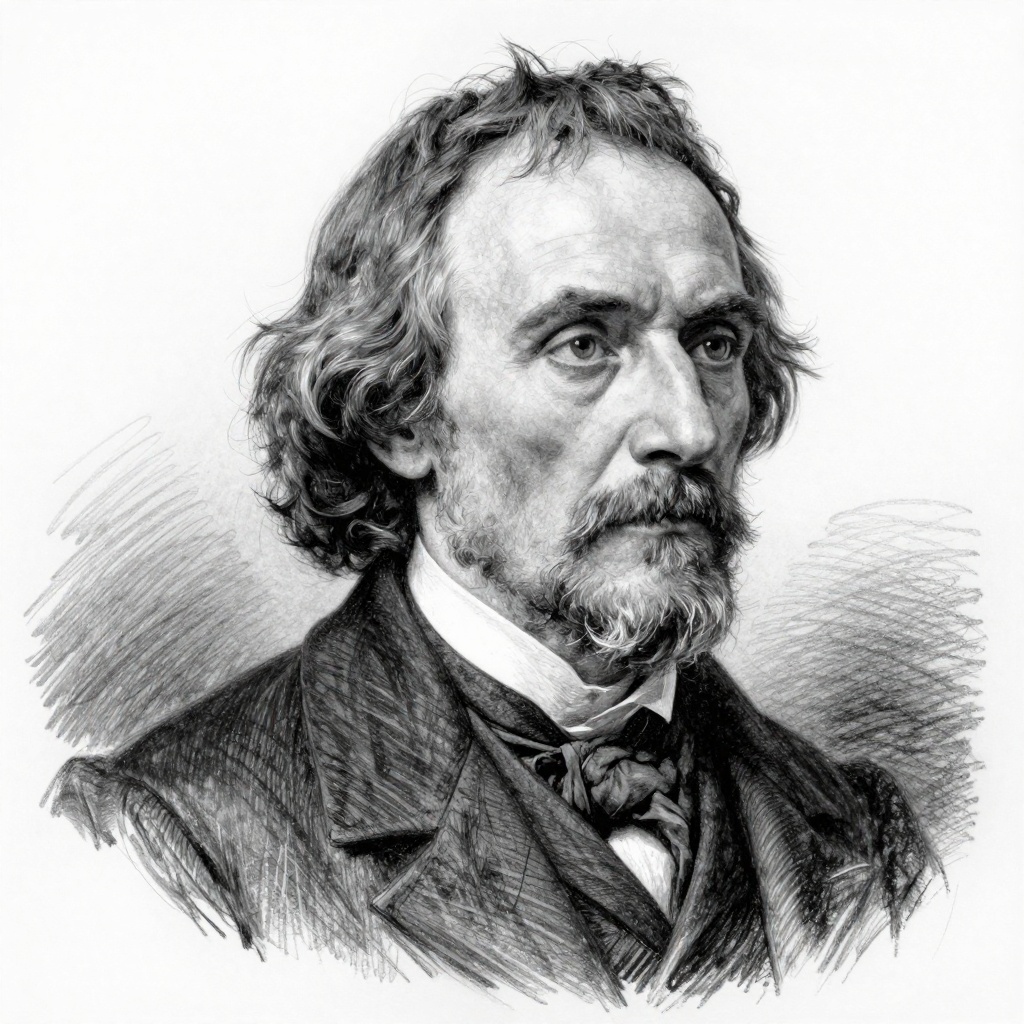
Comments