Quote · Added 14 February 2026
Do what you love. Know your own bone; gnaw at it, bury it, unearth it, and gnaw it still.
Henry David ThoreauWalden, p. 85, 1854
No ratings yet
Filed underlove·creativity·self-discovery
Quote · Added 14 February 2026
Filed underlove·creativity·self-discovery
There's something primal about Thoreau's advice that cuts through all the polished career advice we're drowning in. He's not telling you to find your passion and then smoothly execute it. He's describing something messier and more honest: obsession. The kind of thing you return to again and again, not because it pays well or looks good at parties, but because you can't help it.
The real insight is in that gnawing. Most people think loving what you do means it will feel effortless and pure. But Thoreau knows better. Real engagement with something meaningful involves returning to it when it's hard, picking it apart, finding you were wrong about it, and digging back in anyway. A writer doesn't just write once and feel complete. A craftsperson doesn't master their skill and stop. The bone—your work, your passion, your thing—gets richer every time you worry it between your teeth.
This matters now because we're constantly tempted to abandon anything that stops feeling frictionless. We swipe away, we quit, we move to the next shiny thing. But the depth Thoreau's describing only comes through that repetitive, sometimes unglamorous return. The bone is yours because you've gnawed it a thousand times.
1817–1862·lived 44 years
Henry David Thoreau was an American essayist, poet, and philosopher, known for his transcendentalist writings advocating for individualism, nature appreciation, and civil disobedience. He is best known for his book "Walden, or Life in the Woods," which reflects on simple living in natural surroundings and has inspired generations of environmentalists and activists.
Also by Henry David Thoreau
That man is richest whose pleasures are cheapest.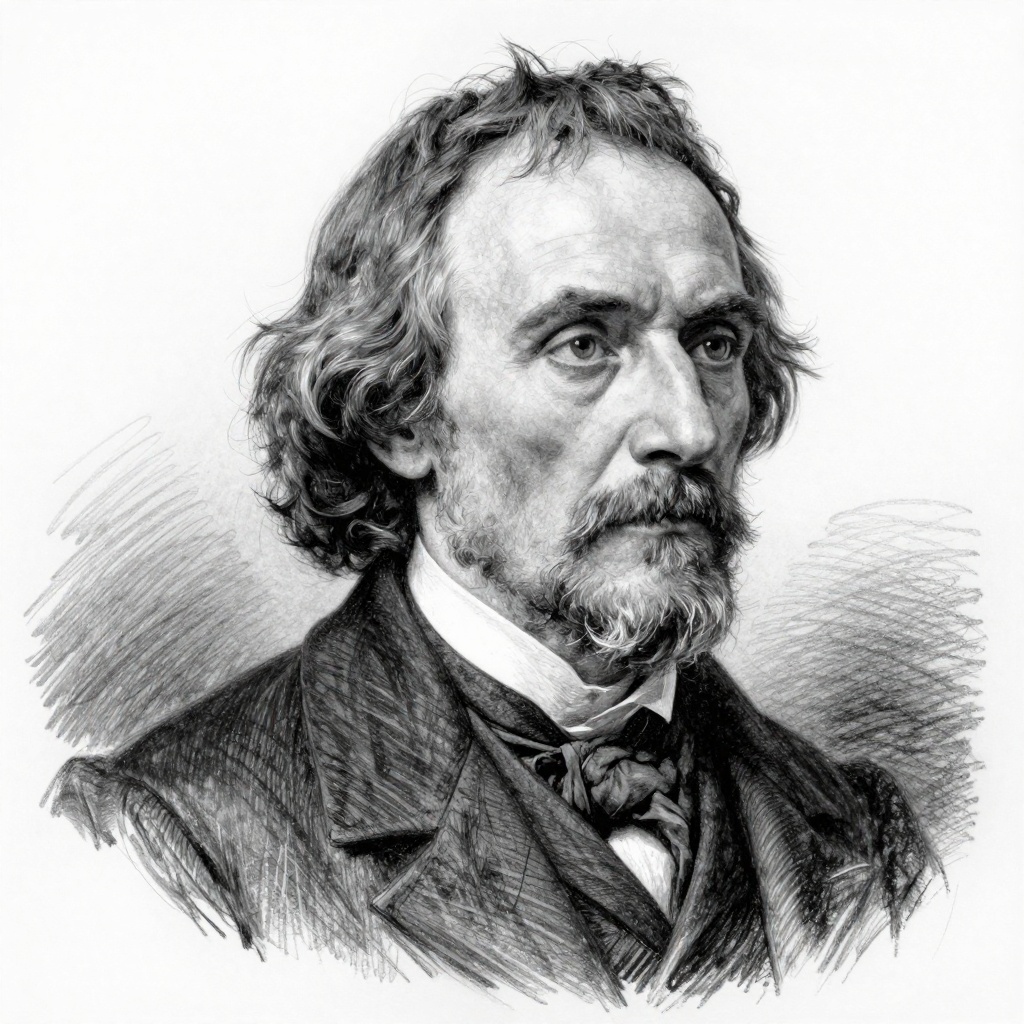
Comments