Quote · Added 14 February 2026
Disobedience is the true foundation of liberty. The obedient must be slaves.
Henry David ThoreauCivil Disobedience, 1849
No ratings yet
Filed underdisobedience·liberty·freedom
Quote · Added 14 February 2026
Filed underdisobedience·liberty·freedom
We usually hear "freedom" described as something we're given—rights, opportunities, choices handed down. Thoreau flips that completely. He's saying freedom isn't passive. It's something you actively do, which means it requires pushing back, questioning, and sometimes saying no even when it's uncomfortable. The person who never disobeys anything has outsourced their thinking to someone else. They've become a slave not because they're forced, but because they've agreed to let others decide what's acceptable.
This lands differently in our world now. We obey algorithms that shape what we see, workplace cultures that define "professionalism" in narrow ways, social media that rewards conformity. It's softer than the overt oppression Thoreau witnessed, which makes it easier to miss. But the principle holds: every time we swallow an opinion we don't actually hold, or follow a rule we've never questioned, we're trading a piece of our judgment away. That's not always wrong—we need structure—but Thoreau's point is that never questioning anything is a kind of surrender.
Real freedom, then, isn't about chaos or rejecting everything. It's about keeping your mind sharp enough to know the difference between rules that serve you and rules that just serve compliance. That's the disobedience he means.
1817–1862·lived 44 years
Henry David Thoreau was an American essayist, poet, and philosopher, known for his transcendentalist writings advocating for individualism, nature appreciation, and civil disobedience. He is best known for his book "Walden, or Life in the Woods," which reflects on simple living in natural surroundings and has inspired generations of environmentalists and activists.
Also by Henry David Thoreau
That man is richest whose pleasures are cheapest.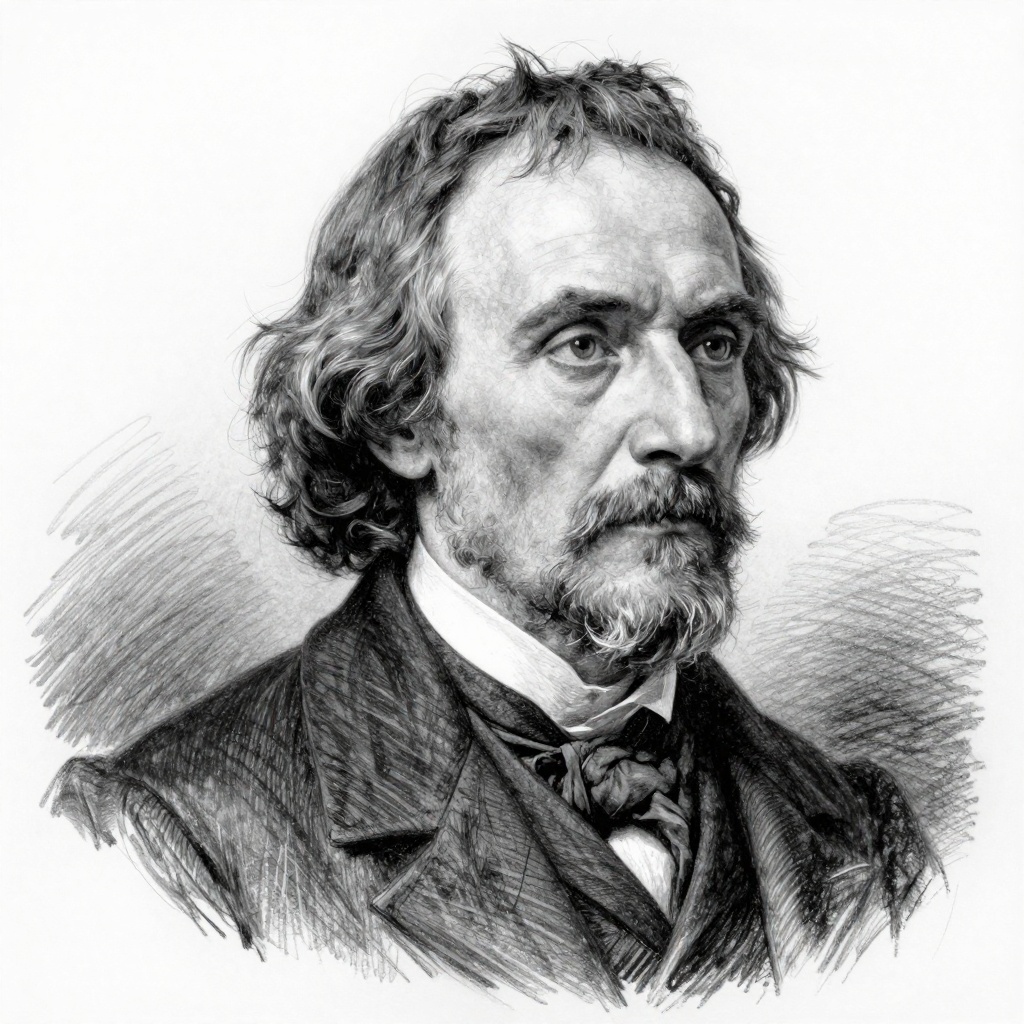
Comments