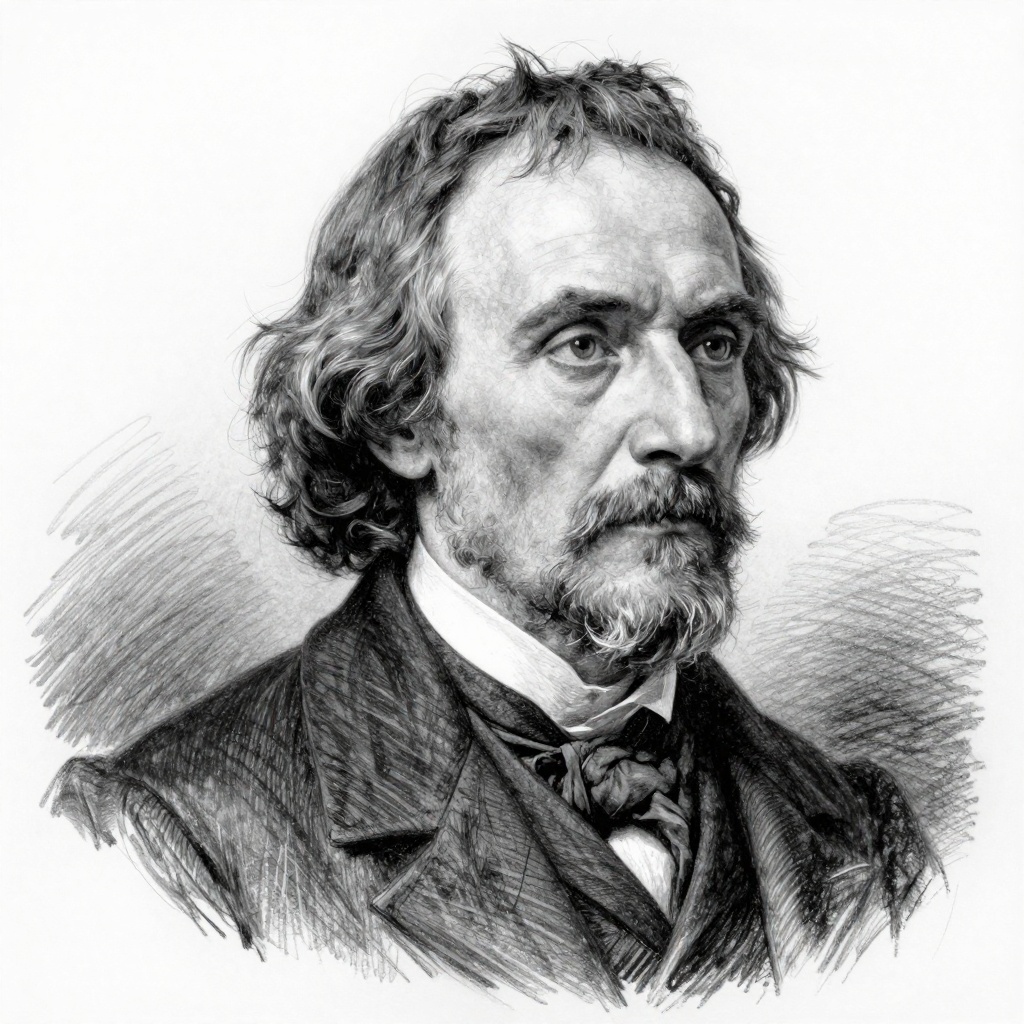
As you simplify your life, the laws of the universe will be simpler; solitude will not be solitude, poverty wi... — Henry David Thoreau
As you simplify your life, the laws of the universe will be simpler; solitude will not be solitude, poverty will not be poverty, nor weakness weakness.
Author: Henry David Thoreau
Insight: There's something counterintuitive about Thoreau's claim that simplification transforms how we experience things. When you strip away excess—the noise, the stuff, the endless obligations—you don't just have less. You actually perceive differently. Solitude stops feeling like loneliness because you're no longer measuring yourself against the busy, connected lives around you. Poverty stops feeling like deprivation when you're not constantly comparing your possessions to what others own. It's not that your circumstances magically improve; it's that the framework you've been using to judge them dissolves. This matters now especially, because we've built lives on the assumption that more context is always better. More options, more connections, more data about how we're doing relative to everyone else. That constant comparison is exhausting. Thoreau's insight suggests something radical: the real transformation happens not when circumstances change, but when you stop measuring yourself through the lens of excess. Weakness becomes different when you're not trying to match someone else's strength. The tricky part is that simplification requires genuine commitment, not just aesthetics. It means actually sitting with fewer distractions, actually having less to fall back on socially. But people who've done this often report the same thing Thoreau is getting at—life gets quieter, sure, but also somehow larger and more livable within its own terms.
Source: Walden, 1854