Quote · Added 14 February 2026
Any fool can make a rule, and any fool will mind it.
Henry David ThoreauWalden, p. 66, 1854
No ratings yet
Filed underrule·foolishness·conformity
Quote · Added 14 February 2026
Filed underrule·foolishness·conformity
We live surrounded by rules—written and unwritten—that we've stopped questioning. The really unsettling part of Thoreau's observation isn't that foolish people create rules. It's that the rest of us often obey them without thinking, which suggests we're implying something about ourselves too. We follow dress codes we secretly resent, avoid conversations because "that's not appropriate," or stick to routes through our neighborhood because that's just how it's done.
The subtle genius here is that Thoreau isn't saying all rules are bad. He's pointing at something specific: the gap between the rule-maker's actual authority and the rule-follower's automatic compliance. When you examine the rules in your life—whether they're about how to work, what to want, or who you should be—you often find they're protected mostly by habit, not by any real logic. Someone decided it once, and now everyone treats it like gravity.
This matters today because we're drowning in invisible social scripts and institutional expectations that no one's actually defending. The small act of asking "why does this rule exist?" isn't rebellion—it's clarity. You might keep the rule anyway. But you'd be keeping it because you chose to, not because you forgot you had a choice.
1817–1862·lived 44 years
Henry David Thoreau was an American essayist, poet, and philosopher, known for his transcendentalist writings advocating for individualism, nature appreciation, and civil disobedience. He is best known for his book "Walden, or Life in the Woods," which reflects on simple living in natural surroundings and has inspired generations of environmentalists and activists.
Also by Henry David Thoreau
That man is richest whose pleasures are cheapest.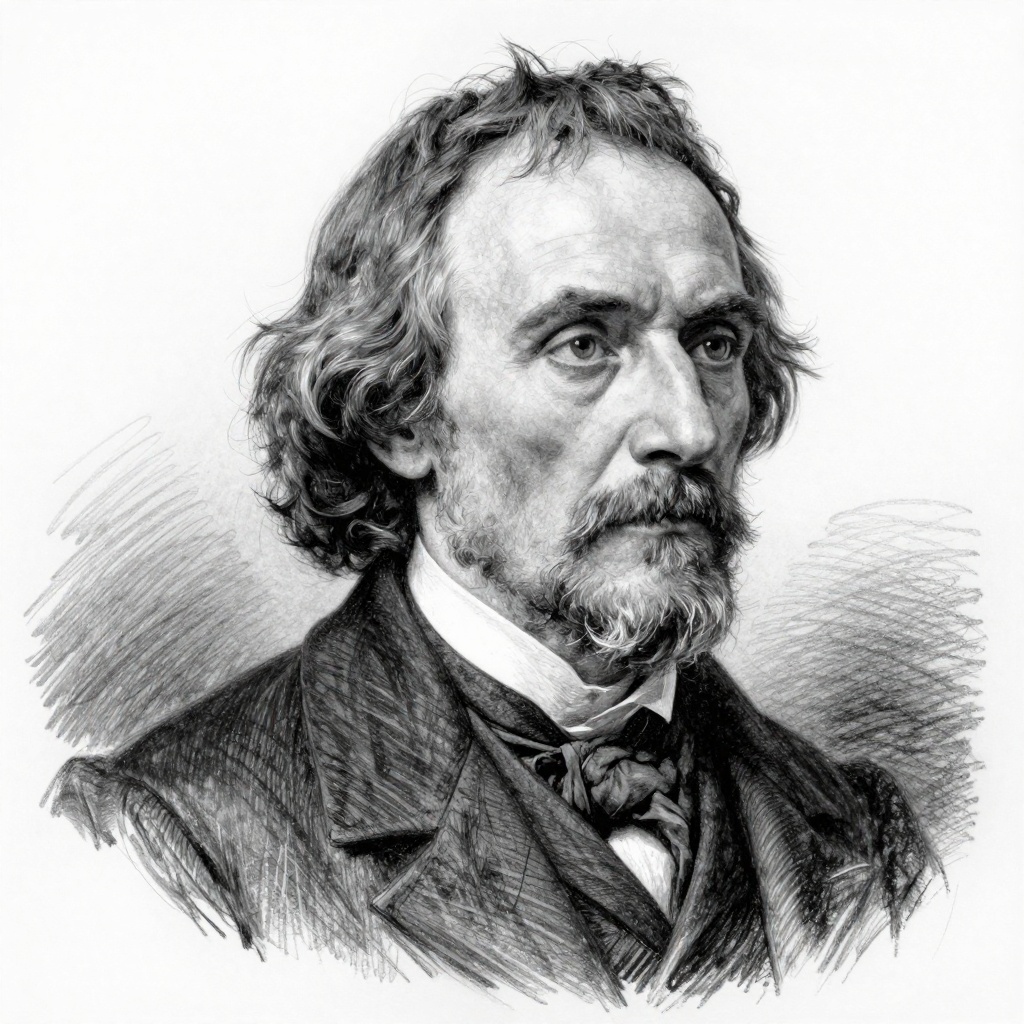
Comments