Quote · Added 10 February 2026
The spectacles of experience; through them you will see clearly a second time.
Henrik IbsenWorks (ed. 1911)
Filed underexperience·clarity·insight
Quote · Added 10 February 2026
Filed underexperience·clarity·insight
We tend to think of experience as something that just happens to us—a series of events we move through and leave behind. But Ibsen's idea suggests something stranger and more useful: that experience itself is a lens we can return to. The second time you see something through this lens, you're not just remembering it. You're understanding it differently, catching details and patterns you missed when you were actually living through it.
This matters because we often feel stuck repeating the same mistakes, as if we're doomed to just make them over and over. But there's actually a gap between what happens to us and what we learn from it. That gap is where real change lives. The person who gets hurt in a relationship and immediately moves on hasn't necessarily seen anything yet. The one who sits with it later, who examines it through what they now know, finally sees it clearly. That's the second seeing.
The quietly hopeful part here is that this reframes failure and difficulty. Those hard moments aren't just losses—they're potential teachers, if we're willing to look back at them with new eyes. Experience doesn't have to be wasted. What felt opaque or painful the first time through often becomes instructive the second time, when we're finally ready to really look.
1828–1906·lived 78 years
Henrik Ibsen was a Norwegian playwright and poet, born on March 20, 1828, and is best known for his influential works that pioneered modern realism in theatre. His notable plays include "A Doll's House," "Hedda Gabler," and "An Enemy of the People," which challenged societal norms and explored themes of individual freedom and moral complexity. Ibsen's contributions to the world of drama have made him one of the most significant figures in modern literature.
Also by Henrik Ibsen
A thousand words will not leave so deep an impression as one deed.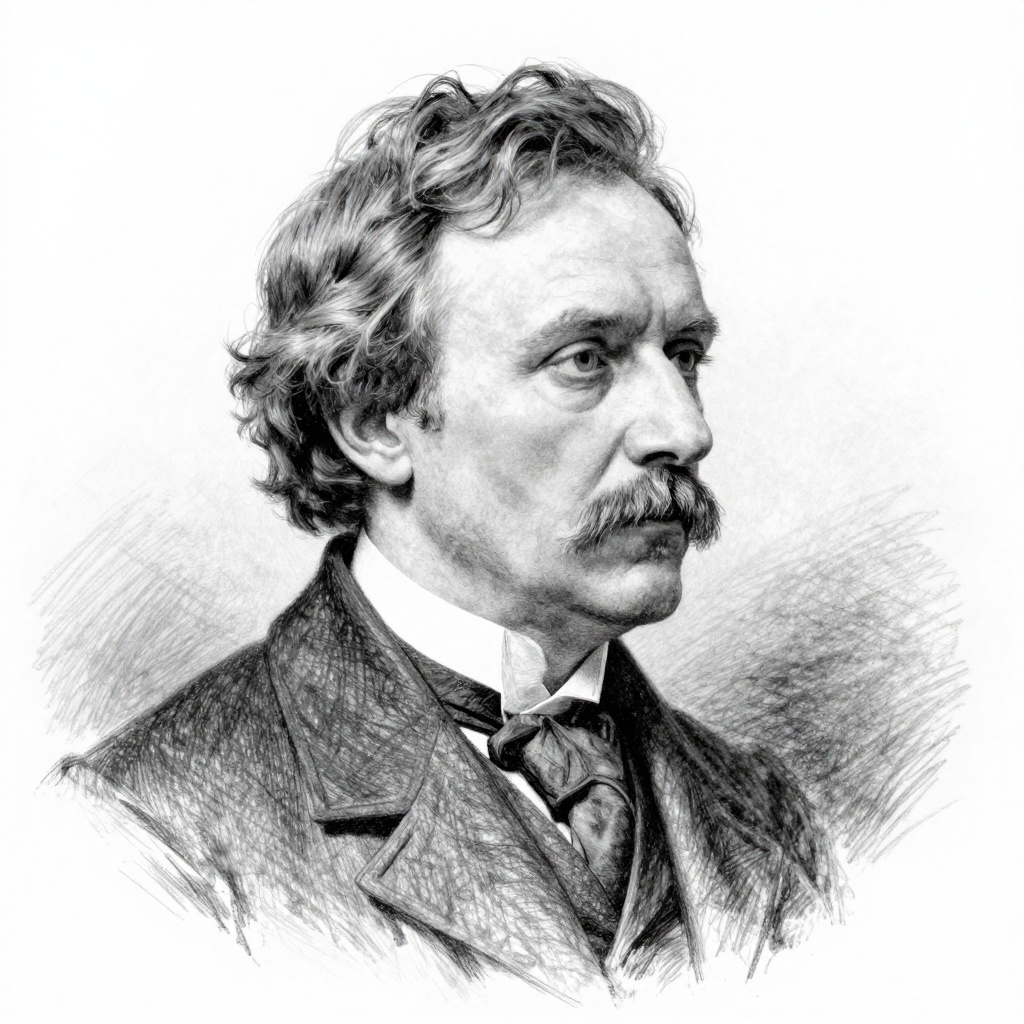
Comments