Quote · Added 15 February 2026
A thousand words will not leave so deep an impression as one deed.
Filed underdeed·impact·expression
Quote · Added 15 February 2026
Filed underdeed·impact·expression
We live in an age of endless explanation. We text apologies instead of making them in person. We post about our values instead of living them. We talk endlessly about what we're going to do, as if the talking itself counts. But there's something almost humbling about Ibsen's observation: no amount of description, justification, or eloquent reasoning can match what we actually do.
Think about the people who've genuinely changed how you see things. Rarely was it because they gave you a perfect speech. It was usually something smaller and stranger—they showed up when they said they would, they stayed calm when things got hard, they did the unglamorous thing when nobody was watching. Those moments stick with you in a way that makes your chest feel different. That's the difference between knowing something and feeling it.
The tricky part is that deeds are messier than words. They take longer, they're harder to control, and they sometimes fail publicly. But maybe that's exactly why they matter more. When you actually do something—even something small—you're putting real stakes on the line. That vulnerability is what makes it real to other people, and what makes it real to yourself.
1828–1906·lived 78 years
Henrik Ibsen was a Norwegian playwright and poet, born on March 20, 1828, and is best known for his influential works that pioneered modern realism in theatre. His notable plays include "A Doll's House," "Hedda Gabler," and "An Enemy of the People," which challenged societal norms and explored themes of individual freedom and moral complexity. Ibsen's contributions to the world of drama have made him one of the most significant figures in modern literature.
Also by Henrik Ibsen
The spectacles of experience; through them you will see clearly a second time.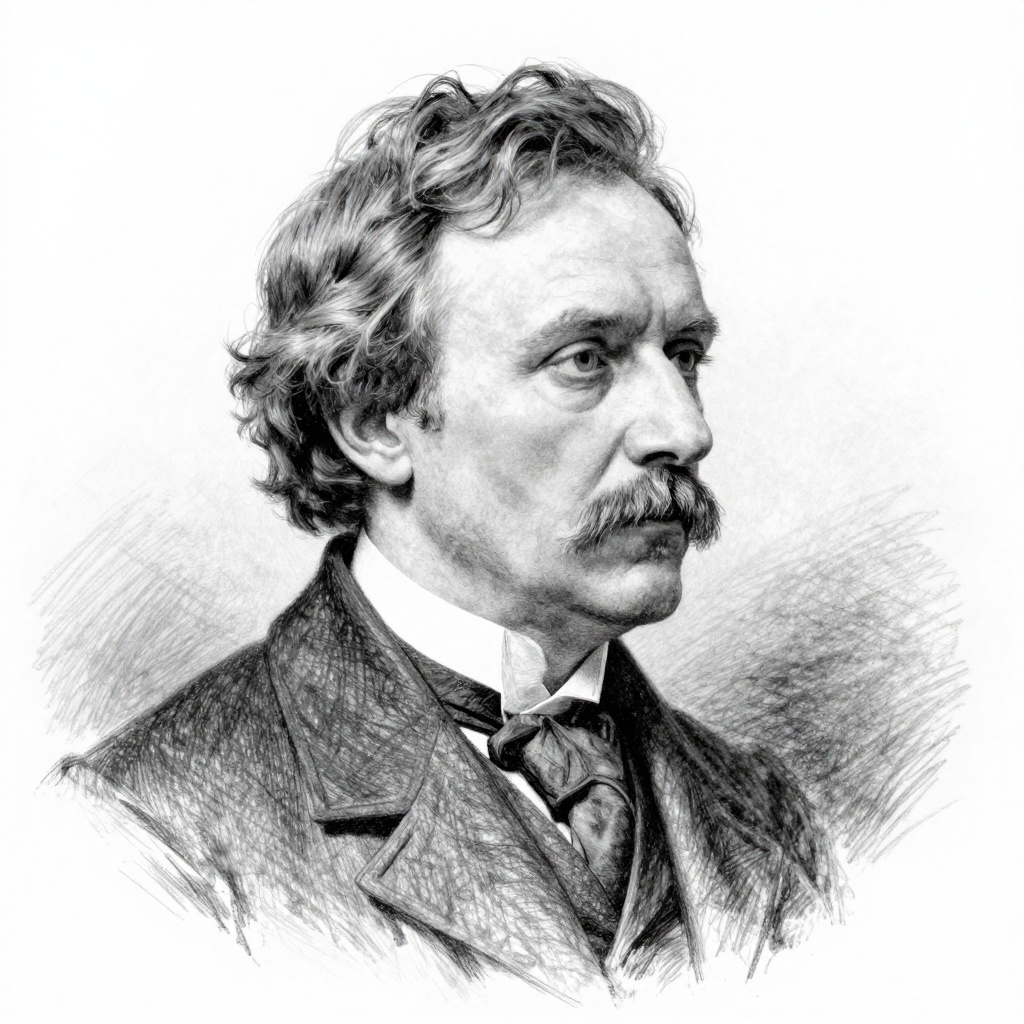
Comments