Quote · Added 14 February 2026
The bitterest tears shed over graves are for words left unsaid and deeds left undone.
Harriet Beecher StoweLittle Foxes, 1865
No ratings yet
Filed undergrief·regret·reflection
Quote · Added 14 February 2026
Filed undergrief·regret·reflection
We spend so much energy on things that barely matter—the perfect text response, the right thing to say at a party, impressing someone who doesn't really know us. Then someone dies, and suddenly all that effort feels absurdly misplaced. What we're actually haunted by isn't the embarrassing thing we did say; it's the vulnerability we couldn't quite manage. The "I love you" we assumed could wait. The apology we kept rehearsing but never delivered. The visit we kept postponing.
The cruelest part? Most of these regrets aren't about grand gestures. They're about small, ordinary moments—the conversation you could have had over coffee, the story you could have asked to hear one more time, the "I'm sorry" that would have taken thirty seconds. We think we'll get another chance because statistically, we usually do. We don't. And when that luck runs out, we discover that what we actually valued was never about being impressive or safe or right. It was about connection, honesty, and showing up.
This isn't meant to pile on guilt about your own unsaid things—most of us carry some. It's more that recognizing this pattern now might change how you spend today. The small risk of reaching out usually costs far less than the certainty of that particular kind of regret.
1811–1896·lived 85 years
Harriet Beecher Stowe (1811–1896) was an American author and abolitionist best known for her novel "Uncle Tom's Cabin" (1852). The novel depicted the harsh conditions of slavery, stirring emotions and contributing to the anti-slavery movement in the United States. Stowe's work had a profound impact on public opinion and is considered an influential piece of literature in the fight against slavery.
Also by Harriet Beecher Stowe
When you get into a tight place, and everything goes against you till it seems as if you c...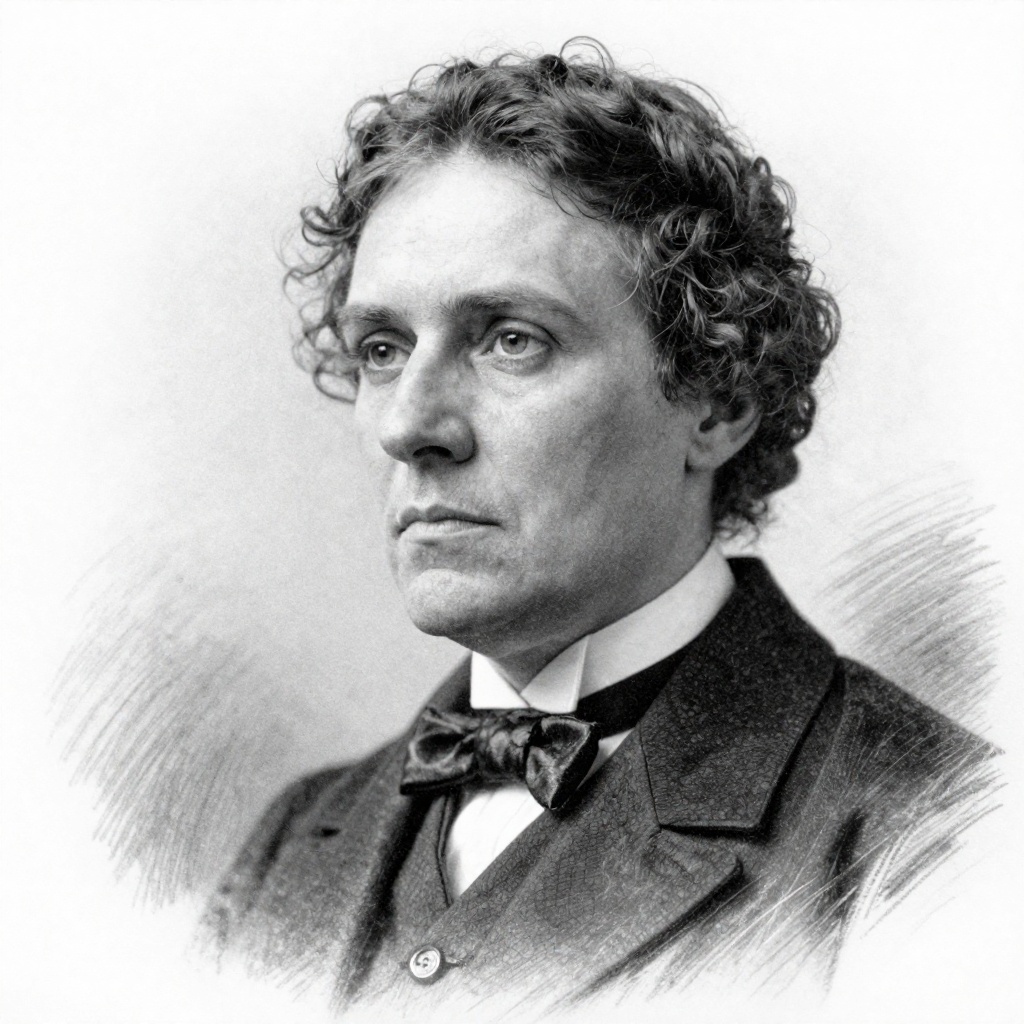
Comments