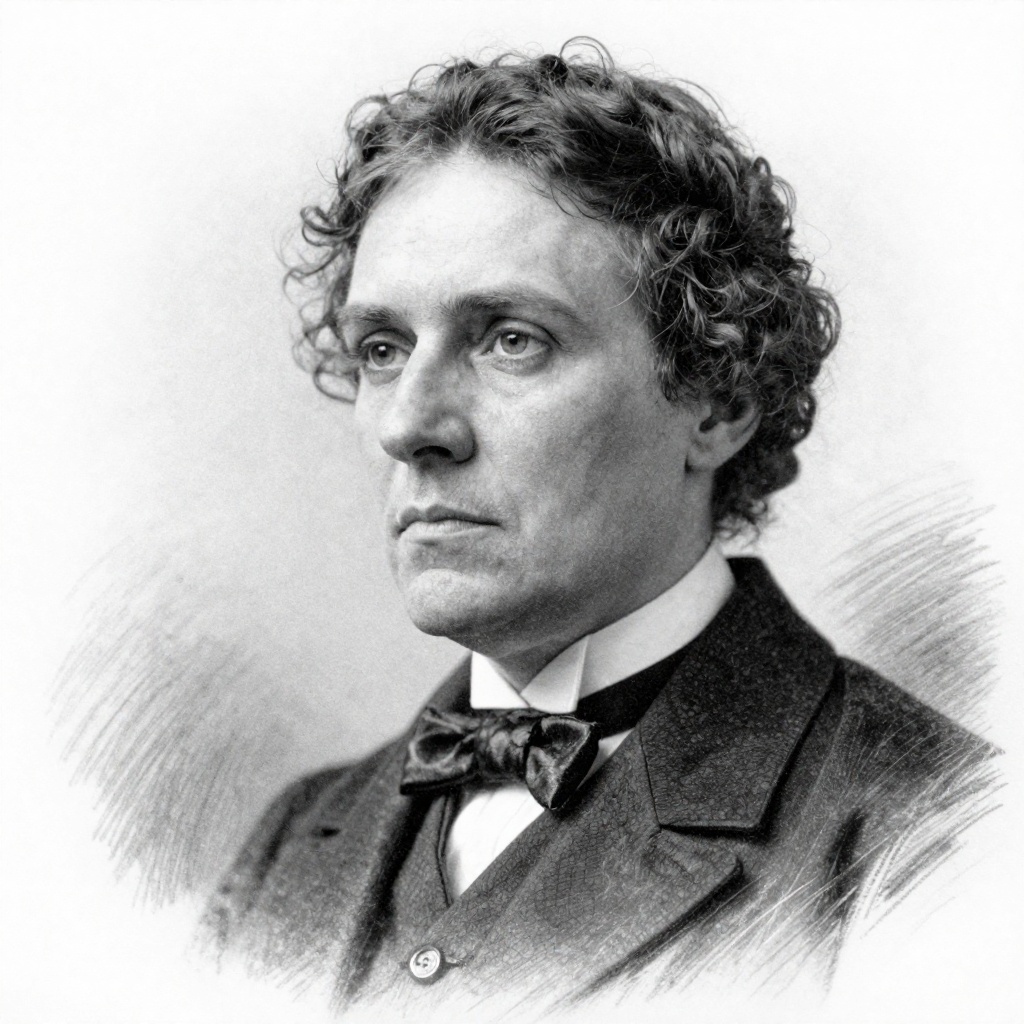
When you get into a tight place, and everything goes against you till it seems as if you could n't hold on a m... — Harriet Beecher Stowe

When you get into a tight place, and everything goes against you till it seems as if you could n't hold on a minute longer, never give up then, for that 's just the place and time that the tide'll turn.

Author: Harriet Beecher Stowe

Insight: There's something almost physically true about this. When you're in the worst of it—the moment your job situation looks hopeless, when the rejection pile is highest, when you've failed so many times you can barely remember what success looked like—that's when most people walk away. It feels logical. You're exhausted. Nothing's working. But Stowe is pointing at something counterintuitive: the lowest moment and the turning point often arrive at the same time, not different times. The real insight isn't that things magically get better if you just believe hard enough. It's that the systems causing your struggle—financial, relational, professional—are often in motion whether you're aware of it or not. The job market shifts. Someone encounters your work. Your persistence has been building credibility you can't see yet. The moment you quit is often the moment before a phone call, before a second chance, before the pattern finally breaks. Which means giving up doesn't just mean losing what might come next; it means abandoning your position right at the threshold. The hardest part of this wisdom is that you genuinely can't know if you're one week away or one year away. You just have to hold on anyway.

Your breakthrough hides in the breaking point

When you get into a tight place, and everything goes against you till it seems as if you could n't hold on a minute longer, never give up then, for that 's just the place and time that the tide'll turn.

There's something almost physically true about this. When you're in the worst of it—the moment your job situation looks hopeless, when the rejection pile is highest, when you've failed so many times you can barely remember what success looked like—that's when most people walk away. It feels logical. You're exhausted. Nothing's working. But Stowe is pointing at something counterintuitive: the lowest moment and the turning point often arrive at the same time, not different times.

The real insight isn't that things magically get better if you just believe hard enough. It's that the systems causing your struggle—financial, relational, professional—are often in motion whether you're aware of it or not. The job market shifts. Someone encounters your work. Your persistence has been building credibility you can't see yet. The moment you quit is often the moment before a phone call, before a second chance, before the pattern finally breaks. Which means giving up doesn't just mean losing what might come next; it means abandoning your position right at the threshold.

The hardest part of this wisdom is that you genuinely can't know if you're one week away or one year away. You just have to hold on anyway.

AI generated

Comments

Sign in to leave a comment or reply to one.

Sign in

Harriet Beecher Stowe

Harriet Beecher Stowe (1811–1896) was an American author and abolitionist best known for her novel "Uncle Tom's Cabin" (1852). The novel depicted the harsh conditions of slavery, stirring emotions and contributing to the anti-slavery movement in the United States. Stowe's work had a profound impact on public opinion and is considered an influential piece of literature in the fight against slavery.

Graph

Related