Quote · Added 10 February 2026
Never give up, for that is just the place and time that the tide will turn.
Harriet Beecher StoweHarriet Beecher Stowe on Perseverance, The Kim Monson Show, 2024
No ratings yet
Filed underperseverance·hope·change
Quote · Added 10 February 2026
Filed underperseverance·hope·change
We live in a culture obsessed with momentum—the idea that if things aren't working now, they probably never will. We check our progress like a stock ticker, and when the numbers don't move, we're tempted to walk away. But Stowe's insight cuts against this modern impatience: the breakthrough often comes not when you're feeling strongest, but when you're most exhausted, right at the edge of quitting.
There's something almost scientific about this. Think of any difficult thing you've eventually managed—learning something hard, fixing a broken relationship, building a habit that stuck. Usually there was a moment where you wanted to stop, where continuing felt pointless. And then something shifted. Not because you suddenly felt more motivated, but because you'd actually put in enough groundwork that things had begun to change underneath the surface, invisible to you.
The tricky part is knowing which struggles are worth that endurance. Not everything that's hard is worth pursuing. But if you've chosen something genuine—something that actually matters to you—then the moment you're most tempted to quit might be exactly when the tide is already turning. You just can't see it yet.
1811–1896·lived 85 years
Harriet Beecher Stowe (1811–1896) was an American author and abolitionist best known for her novel "Uncle Tom's Cabin" (1852). The novel depicted the harsh conditions of slavery, stirring emotions and contributing to the anti-slavery movement in the United States. Stowe's work had a profound impact on public opinion and is considered an influential piece of literature in the fight against slavery.
Also by Harriet Beecher Stowe
When you get into a tight place, and everything goes against you till it seems as if you c...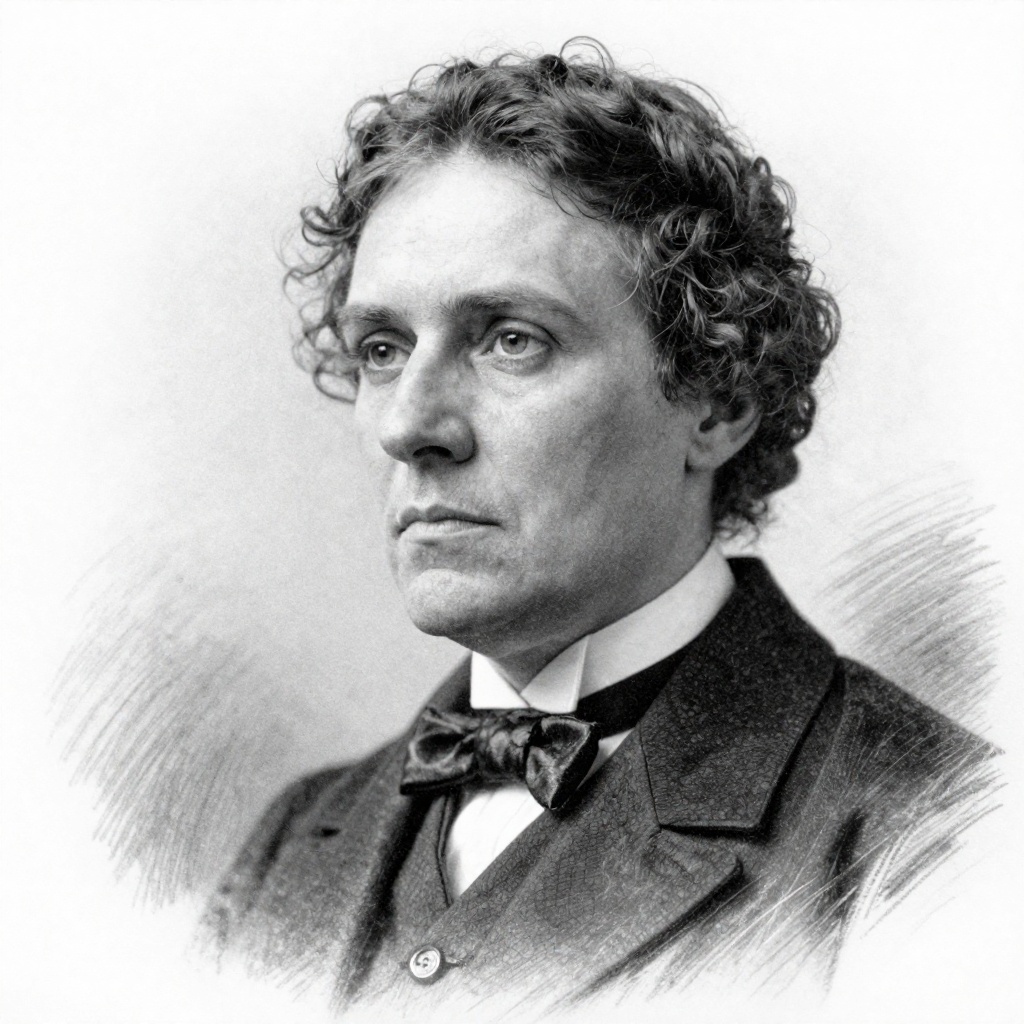
Comments