Quote · Added 10 September 2024
Reverie is not a mind gone wandering; it is a soul reaching out for something beyond the present.
Harriet Beecher StoweThe Ministration Of Our Departed Friends.--A New Year's Revery, 1853
No ratings yet
Quote · Added 10 September 2024
There's a real difference between spacing out in a meeting because you're tired and actually daydreaming about something that matters to you. One is absence; the other is a kind of reaching. When you find yourself lost in thought about a person you miss, or a place you want to go, or work you'd like to do—that's not your mind failing. That's your soul, or your deeper self, or whatever you want to call the part of you that knows what you actually want, leaning toward something real.
We often treat reverie like a distraction, something to snap out of. But Stowe's insight flips that. Those moments when you drift away from what's immediately in front of you might actually be you responding to something important that the present moment isn't giving you. Boredom at a party, restlessness at a job, a sudden urge to call an old friend—these daydreams aren't random static. They're signals pointing toward what you're genuinely hungry for.
The practical difference matters. If you're dismissing your own wandering thoughts as weakness, you might miss what they're telling you about what's missing or what you're meant to be doing. Sometimes the most awake thing you can do is pay attention to where your mind wants to go.
1811–1896·lived 85 years
Harriet Beecher Stowe (1811–1896) was an American author and abolitionist best known for her novel "Uncle Tom's Cabin" (1852). The novel depicted the harsh conditions of slavery, stirring emotions and contributing to the anti-slavery movement in the United States. Stowe's work had a profound impact on public opinion and is considered an influential piece of literature in the fight against slavery.
Also by Harriet Beecher Stowe
When you get into a tight place, and everything goes against you till it seems as if you c...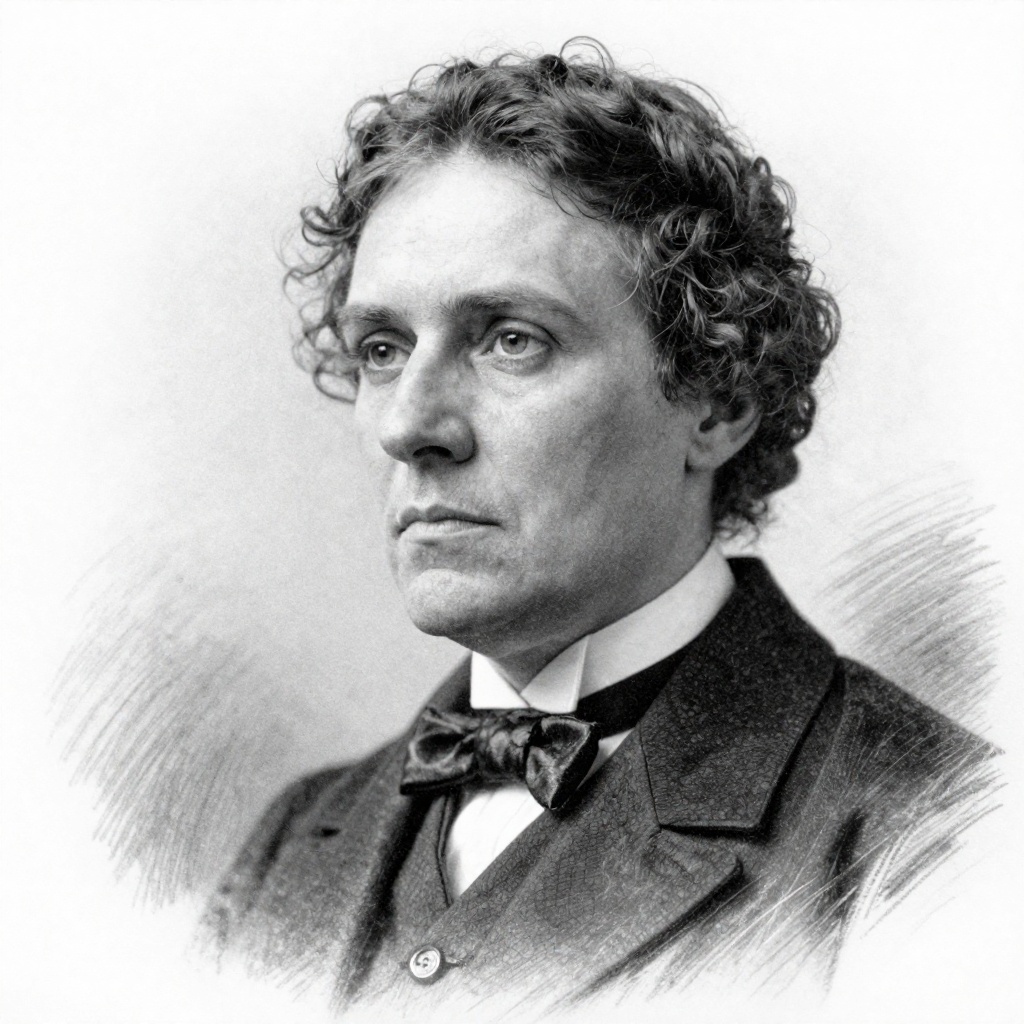
Comments