Quote · Added 14 February 2026
Truth will ultimately prevail where there is pains to bring it to light.
George WashingtonLetter to Charles M. Thruston, August 10, 1794
Filed undertruth·persistence·justice
Quote · Added 14 February 2026
Filed undertruth·persistence·justice
We live in an age of instant information, yet truth often feels more slippery than ever. Washington's point isn't that truth is easy to find—it's that it requires actual work. Someone has to dig, verify, ask uncomfortable questions, and sit with complexity long enough to separate fact from noise. That's the "pains" he's talking about. It's not glamorous, and it rarely gets the immediate attention that a catchy lie does.
The counterintuitive part is that this applies just as much to personal truth as it does to historical or political truth. When you're stuck in a bad situation, the easiest thing is to accept the story you've been telling yourself. Real insight requires the uncomfortable labor of questioning your own assumptions, talking to people who see things differently, and sitting with the possibility that you've been wrong. That discomfort is often the price of actually understanding what's happening around you.
What makes Washington's statement feel urgent now is how many people have given up on the effort. We assume truth is either obvious or unknowable, so we retreat into our preferred version of events. But that surrender guarantees that misinformation wins—not because it's stronger, but because someone cared enough to push it forward while others didn't bother to push back.
1732–1799·lived 67 years
George Washington was an American military leader and statesman who served as the first President of the United States from 1789 to 1797. He is best known for his pivotal role in the American Revolutionary War as the commander-in-chief of the Continental Army and for presiding over the Constitutional Convention of 1787, which created the U.S. Constitution. Washington is often referred to as the "Father of His Country" for his leadership in the founding of the nation.
Also by George Washington
Let your heart feel for the afflictions and distress of everyone, and let your hand give i...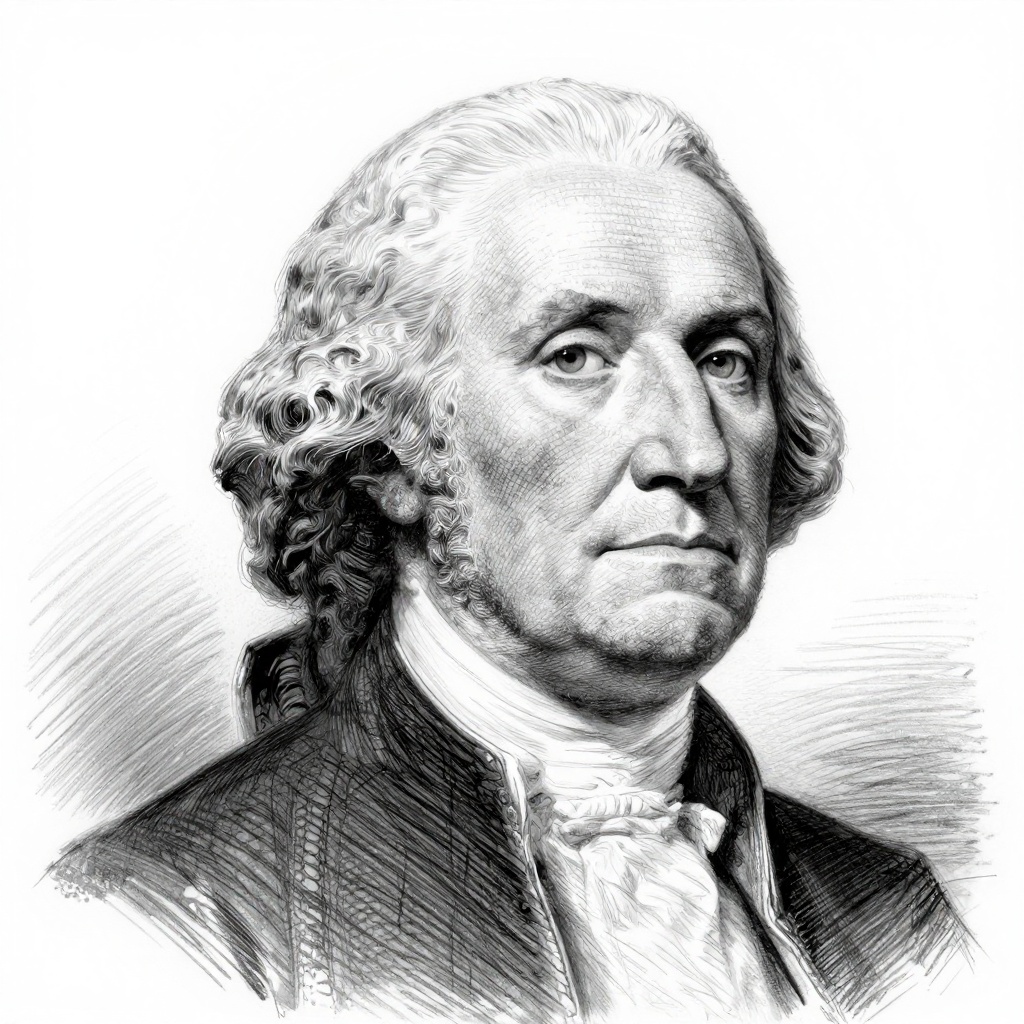
Comments