Quote · Added 14 February 2026
In conversation, humor is worth more than wit and easiness more than knowledge.
George HerbertThe Works of George Herbert, p. 150, 1897
Filed underhumor·conversation·knowledge
Quote · Added 14 February 2026
Filed underhumor·conversation·knowledge
We live in an age that rewards the clever retort—the person who knows obscure facts or can land a perfectly timed joke at someone's expense. But there's something quietly powerful that George Herbert is pointing to here: the person who makes you feel at ease matters far more than the person who makes you feel small.
Think about the conversations that actually stick with you. It's rarely the friend who corrects your grammar or drops knowledge bombs. It's the person who laughs easily, who doesn't make you second-guess yourself mid-sentence, who creates space for you to just be yourself. Humor here isn't about being the funniest—it's about lightness, warmth, permission to relax. When someone's genuinely easy to talk to, you stop performing. You say what you actually think.
The tricky part is that easiness can't be faked. You can memorize facts or practice zingers, but real comfort comes from someone who isn't trying to prove anything. They're not keeping score or waiting for their turn to talk. In a world obsessed with standing out through expertise and quick wit, Herbert's insight feels almost radical: sometimes the most valuable thing you can offer someone is simply your relaxed, genuine presence.
d. 1992
George Herbert (1593-1633) was a Welsh poet, orator, and Anglican priest, known for his religious poetry that explores themes of faith and devotion. His most famous work, "The Temple," is a collection of poems that reflect his spiritual journey and eloquent use of language. Herbert's innovative style and deep theological insights have made him a significant figure in English literature and a key voice in the metaphysical poetry movement.
Also by George Herbert
Sometimes the best gain is to lose.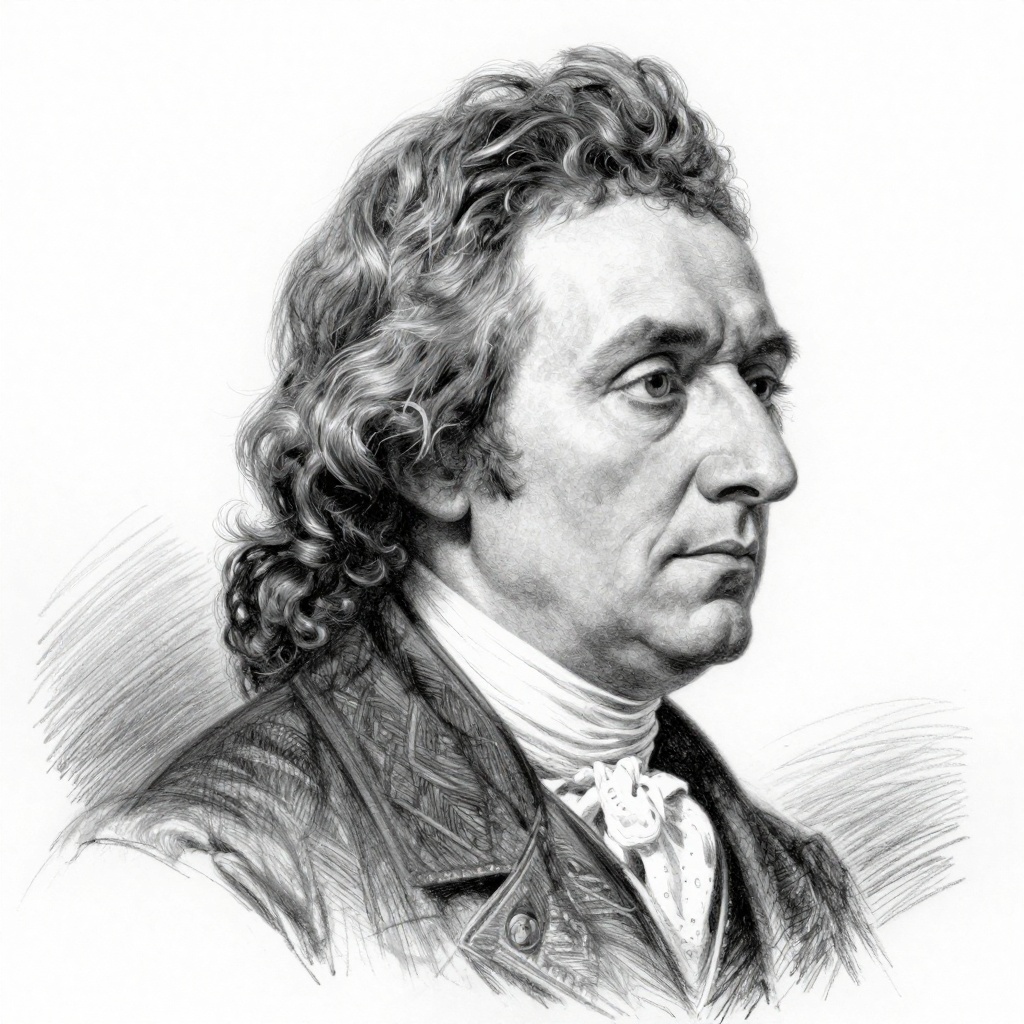
Comments