Quote · Added 14 February 2026
Sometimes the best gain is to lose.
George HerbertThe Temple, p. 45, 1633
Filed underloss·growth·perspective
Quote · Added 14 February 2026
Filed underloss·growth·perspective
We live in a culture obsessed with accumulation—more money, more status, more stuff, more certainty about the future. So the idea that losing something could actually be a gain feels almost offensive. Yet it keeps proving true in ways we recognize the moment we stop fighting it.
Losing a bad habit, a toxic friendship, or a job you hated often doesn't feel like winning at first. There's grief, uncertainty, maybe embarrassment. But then space opens up. You sleep better. You stop rehearsing old arguments in your head. Your energy goes somewhere new. The loss wasn't really a loss at all—it was a removal of weight you didn't realize you were carrying.
The trickier part is that we usually have to lose something before we understand its real cost. Nobody quits their phone until they've already lost focus for the hundredth time. Nobody leaves a relationship until they've lost enough of themselves. We resist the small, chosen losses that might actually free us, then end up forced into the painful ones later. The wisdom isn't in loss itself—it's in recognizing when holding on costs more than letting go.
d. 1992
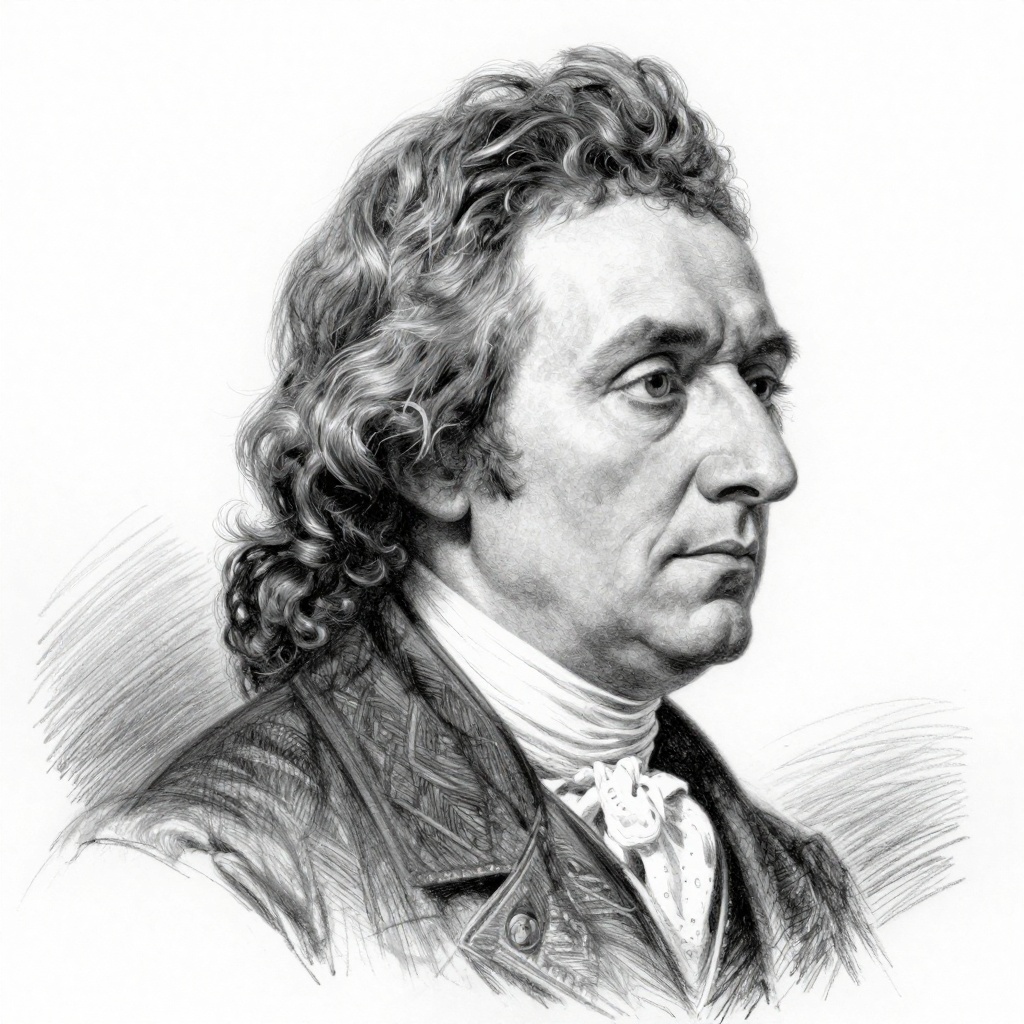
George Herbert (1593-1633) was a Welsh poet, orator, and Anglican priest, known for his religious poetry that explores themes of faith and devotion. His most famous work, "The Temple," is a collection of poems that reflect his spiritual journey and eloquent use of language. Herbert's innovative style and deep theological insights have made him a significant figure in English literature and a key voice in the metaphysical poetry movement.
Comments