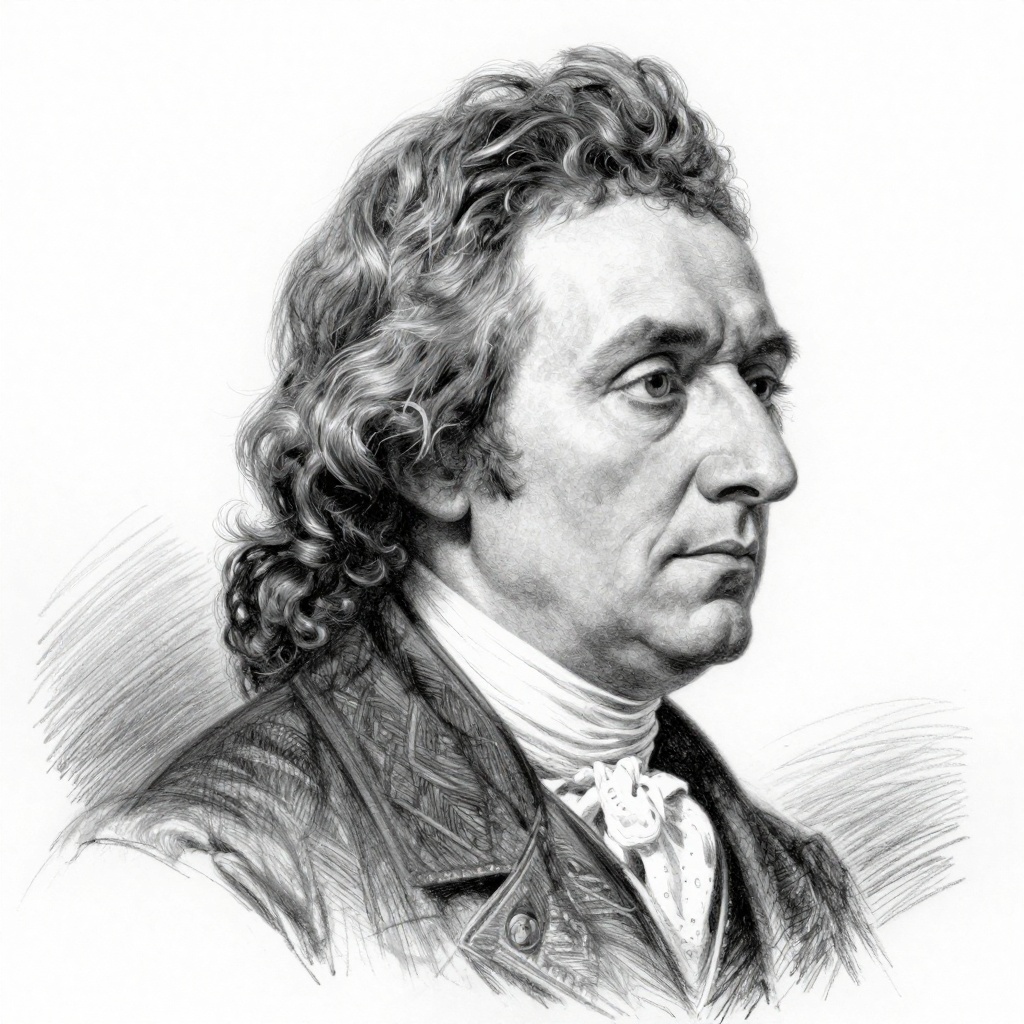
Do not wait; the time will never be 'just right.' Start where you stand, and work with whatever tools you may... — George Herbert

Do not wait; the time will never be 'just right.' Start where you stand, and work with whatever tools you may have at your command, and better tools will be found as you go along.

Author: George Herbert

Insight: We convince ourselves that the perfect moment lives just around the corner. More money, better equipment, the right team, fewer obligations—once those things align, then we'll start. But this mindset is basically a trap disguised as prudence. The time will never feel quite right because readiness isn't actually something that arrives; it's something you build by beginning. What's worth noticing is how often people discover better tools precisely because they started with worse ones. A writer working in a cramped apartment without fancy software learns discipline that they'd never develop in an ideal setup. Someone launching a side project with borrowed equipment gets creative solutions they wouldn't have thought to seek. The constraints force you to think differently. The gaps you encounter aren't obstacles to your real work—they're part of how your real work actually takes shape. This doesn't mean recklessness. It means recognizing that your current position, however incomplete or imperfect, contains everything you need to move forward one step. The version of you that starts today with inadequate resources will be far ahead of the version of you that waits for everything to be perfect. Better tools follow action, not the other way around.

Readiness builds when you begin

Do not wait; the time will never be 'just right.' Start where you stand, and work with whatever tools you may have at your command, and better tools will be found as you go along.

We convince ourselves that the perfect moment lives just around the corner. More money, better equipment, the right team, fewer obligations—once those things align, then we'll start. But this mindset is basically a trap disguised as prudence. The time will never feel quite right because readiness isn't actually something that arrives; it's something you build by beginning.

What's worth noticing is how often people discover better tools precisely because they started with worse ones. A writer working in a cramped apartment without fancy software learns discipline that they'd never develop in an ideal setup. Someone launching a side project with borrowed equipment gets creative solutions they wouldn't have thought to seek. The constraints force you to think differently. The gaps you encounter aren't obstacles to your real work—they're part of how your real work actually takes shape.

This doesn't mean recklessness. It means recognizing that your current position, however incomplete or imperfect, contains everything you need to move forward one step. The version of you that starts today with inadequate resources will be far ahead of the version of you that waits for everything to be perfect. Better tools follow action, not the other way around.

AI generated

Comments

Sign in to leave a comment or reply to one.

Sign in

George Herbert

George Herbert (1593-1633) was a Welsh poet, orator, and Anglican priest, known for his religious poetry that explores themes of faith and devotion. His most famous work, "The Temple," is a collection of poems that reflect his spiritual journey and eloquent use of language. Herbert's innovative style and deep theological insights have made him a significant figure in English literature and a key voice in the metaphysical poetry movement.

Graph

Related