Quote · Added 5 January 2024
Right or wrong, it's very pleasant to break something from time to time.
Fyodor DostoevskyNotes from the Underground, 1864
No ratings yet
Quote · Added 5 January 2024
There's something almost cathartic about Dostoevsky's honesty here—he's not pretending that rule-breaking feels bad, or that it's only satisfying if you're fighting for some noble cause. Sometimes breaking a rule or disrupting the orderly flow of things just feels good, period. The pleasure is real whether the rebellion is justified or not.
We recognize this in small ways all the time: calling in sick when you're not actually sick, ghosting someone instead of having the conversation, eating dessert before dinner, or saying something blunt you're "not supposed" to say. There's a particular kind of relief in stepping outside the frame for a moment, in choosing chaos instead of compliance. It reminds us that we still have agency, that the rules aren't as immovable as they sometimes feel.
The insight that matters today is this: acknowledging the appeal of breaking things doesn't make you corrupt—it just makes you honest about being human. The real question isn't whether we'll ever feel that urge. It's whether we can notice it, feel it, and still choose our breaks carefully enough that they matter more than they cost.
1821–1881·lived 59 years
Fyodor Dostoevsky (1821–1881) was a renowned Russian writer known for his groundbreaking novels exploring psychological complexities and existential themes. His works, such as "Crime and Punishment" and "The Brothers Karamazov," have had a profound influence on literature, philosophy, and psychology, making him one of the greatest novelists in history.
Also by Fyodor Dostoevsky
Most people don't have original opinions. They just repeat what they heard from someone lo...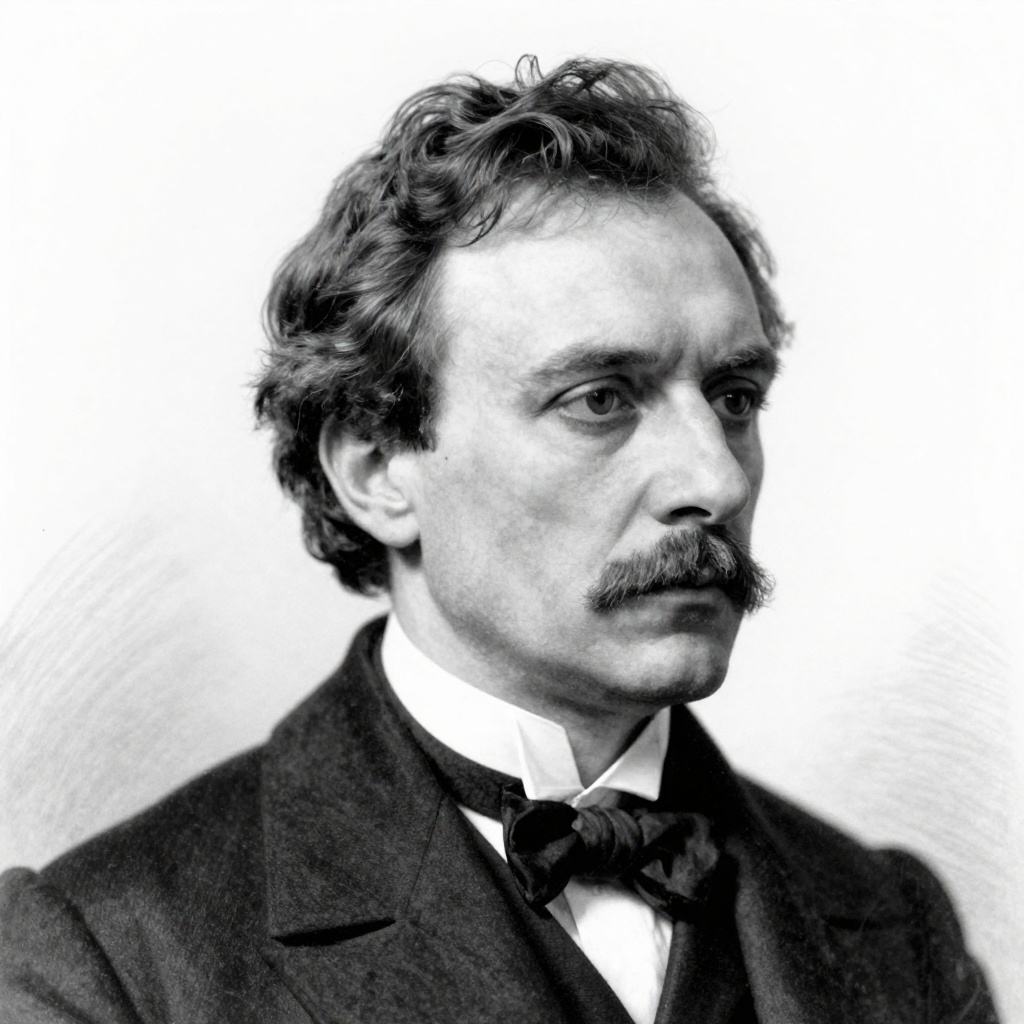
Comments