Quote · Added 1 April 2024
Above all, do not lie to yourself.
Fyodor DostoevskyThe Brothers Karamazov, p. 123, 1880
No ratings yet
Filed undertruth·self-awareness·honesty
Quote · Added 1 April 2024
Filed undertruth·self-awareness·honesty
We're surprisingly good at believing our own stories. We tell ourselves we'll start that project tomorrow, that we're not really angry at someone we clearly are, that we're fine with a decision we're secretly resentful about. The lie feels protective in the moment—easier than admitting we're scared, lazy, or wrong.
But Dostoevsky's warning cuts deeper than just "be honest." When you lie to yourself, you're not just protecting your ego; you're cutting yourself off from the information you need to actually change anything. If you won't admit you're unhappy in a situation, you can't fix it. If you deny you're afraid of something, you can't work through it. Self-deception is a trap that feels safe because it removes the immediate discomfort of truth, but it keeps you stuck.
The tricky part is that self-deception isn't usually a conscious choice. It happens quietly. You don't wake up and decide to fool yourself; you just gradually believe the version of events that makes you feel better. That's why this quote matters: it's a reminder to periodically check your own stories. What are you telling yourself that you haven't actually examined? What uncomfortable truth are you glossing over? That moment of honest reckoning—as uncomfortable as it is—is usually where real growth begins.
1821–1881·lived 59 years
Fyodor Dostoevsky (1821–1881) was a renowned Russian writer known for his groundbreaking novels exploring psychological complexities and existential themes. His works, such as "Crime and Punishment" and "The Brothers Karamazov," have had a profound influence on literature, philosophy, and psychology, making him one of the greatest novelists in history.
Also by Fyodor Dostoevsky
Most people don't have original opinions. They just repeat what they heard from someone lo...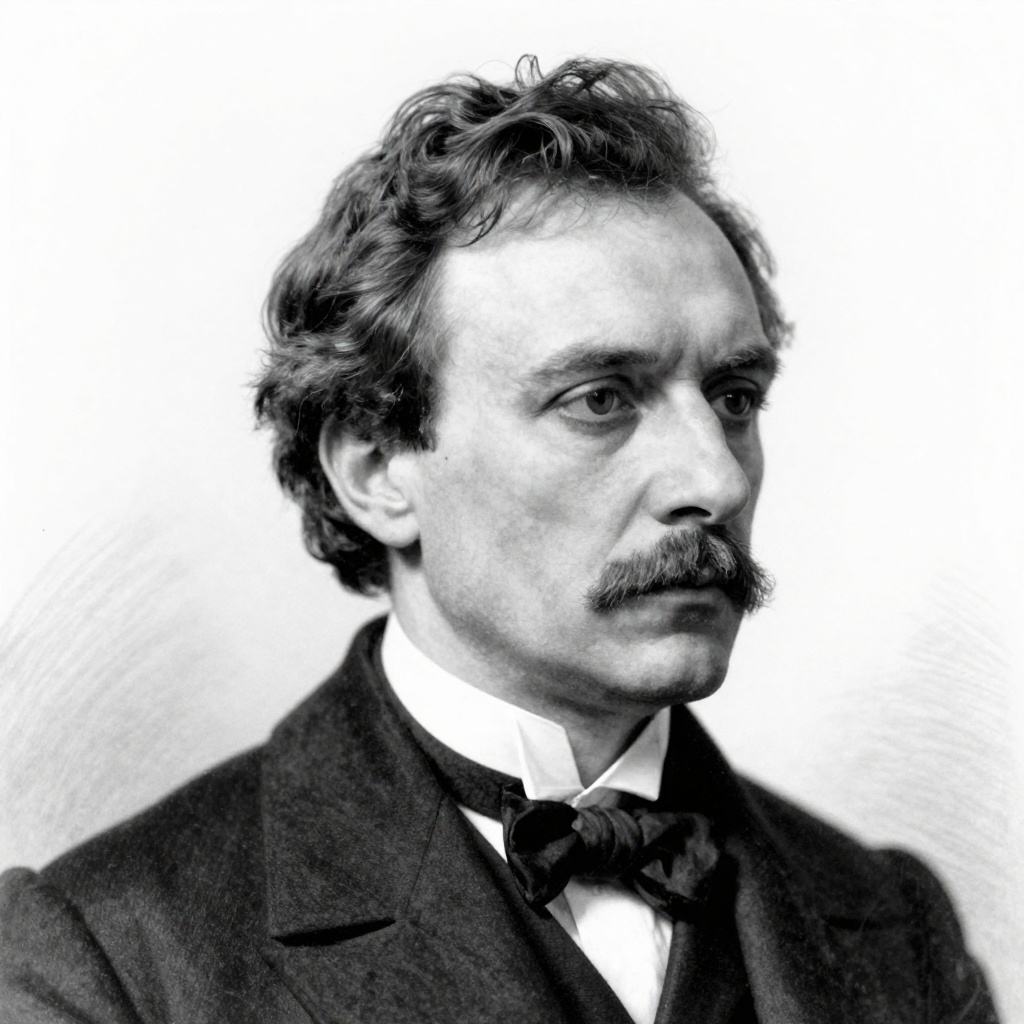
Comments