Quote · Added 14 February 2026
A little learning, indeed, may be a dangerous thing, but the want of learning is a calamity to any people.
Frederick DouglassMy Bondage and My Freedom, p. 123, 1855
No ratings yet
Quote · Added 14 February 2026
We often hear the first half of this idea—that a little knowledge can be dangerous—and use it to justify staying ignorant about complex topics. But Douglass flips the real concern upside down. The actual threat isn't knowing too much; it's the systematic denial of knowledge itself. He knew this firsthand, enslaved in a country that criminalized teaching enslaved people to read. Knowledge wasn't dangerous because it was incomplete; it was dangerous because it represented freedom.
Today we see echoes of this in different forms. We talk about misinformation, but we rarely grapple with the fact that whole groups of people are still effectively locked out of certain kinds of learning—whether through underfunded schools, economic barriers, or deliberate disinformation campaigns. A person with partial knowledge can at least begin questioning and seeking more. A person kept ignorant has no foundation to build on at all.
The quote reminds us that education isn't a luxury debate or an individual achievement trophy. It's foundational to whether people can actually understand their own lives and make real choices. When we treat learning as optional, or available only to some, we're not protecting anyone from danger—we're creating it.
1818–1895·lived 77 years
Frederick Douglass (1818–1895) was an American social reformer, abolitionist, orator, writer, and statesman. He is known for his powerful and influential speeches and writings on the topics of slavery, civil rights, and social justice, becoming a prominent figure in the abolitionist movement and a key advocate for the rights of African Americans.
Also by Frederick Douglass
People might not get all they work for in this world, but they must certainly work for all...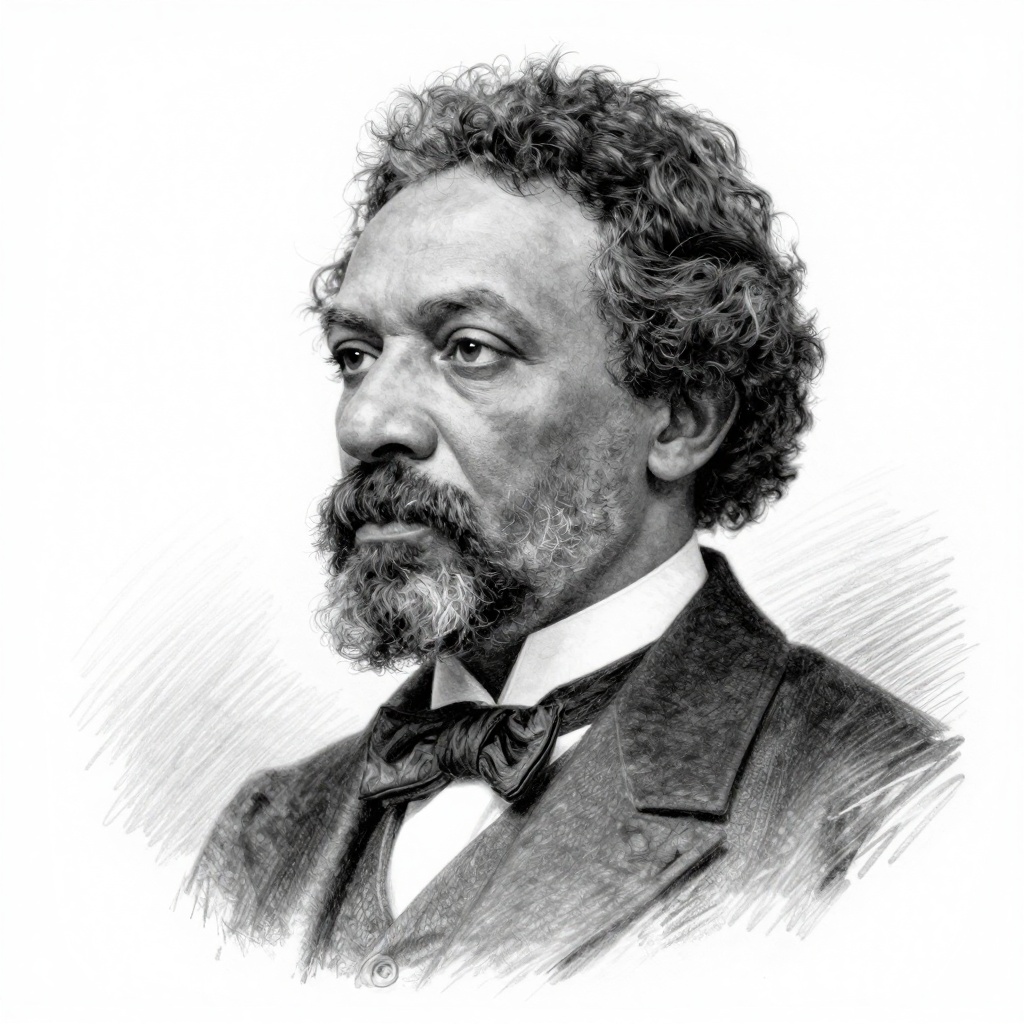
Comments