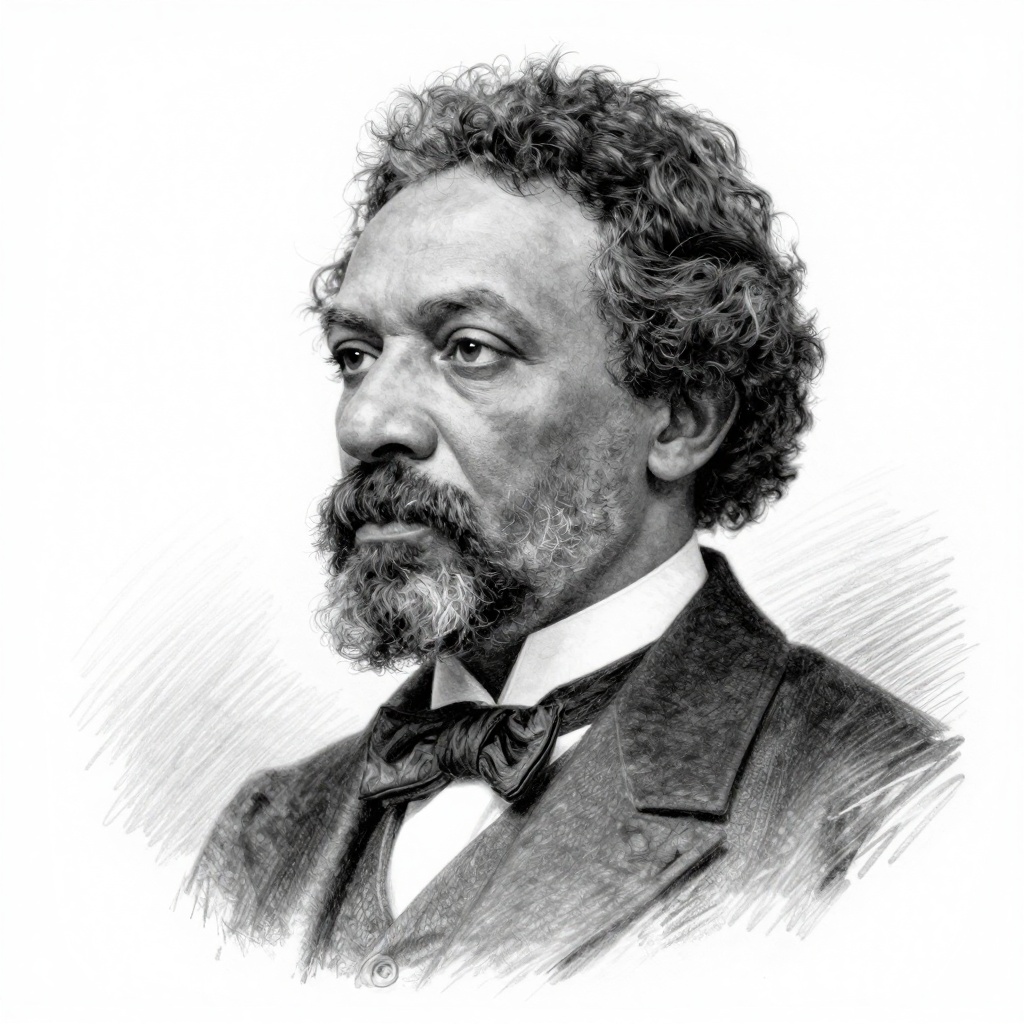
Experience demonstrates that there may be a wages of slavery only a little less galling and crushing in its ef... — Frederick Douglass

Experience demonstrates that there may be a wages of slavery only a little less galling and crushing in its effects than chattel slavery, and that this slavery of wages must go down with the other.

Author: Frederick Douglass

Insight: Most of us think of slavery as something historical, safely in the past. But Douglass was making a harder argument: that economic systems can trap people just as thoroughly as chains, just more quietly. When someone works full-time and still can't afford basics, when they're perpetually one emergency away from catastrophe, when their labor barely sustains them while others grow wealthy—that's the "wages of slavery" he meant. The crushing part isn't just poverty itself, but powerlessness. You show up because you have to, not because you chose freely. What makes this insight unsettling today is how normal it feels. We've dressed up desperation in the language of personal responsibility and opportunity. We celebrate the hustle while ignoring that some people's hustle barely keeps them afloat. Douglass wasn't being poetic—he was saying that freedom means more than not being owned. It means having real choices, dignity in your work, and enough security to actually live. The surprise is that he wasn't arguing for comfort or luxury. He was arguing that economic dignity isn't radical. It's basic. Until work can sustain a human life with some breathing room, Douglass suggested, we haven't really solved the original problem we thought we'd left behind.

Freedom means more than survival

Experience demonstrates that there may be a wages of slavery only a little less galling and crushing in its effects than chattel slavery, and that this slavery of wages must go down with the other.

Most of us think of slavery as something historical, safely in the past. But Douglass was making a harder argument: that economic systems can trap people just as thoroughly as chains, just more quietly. When someone works full-time and still can't afford basics, when they're perpetually one emergency away from catastrophe, when their labor barely sustains them while others grow wealthy—that's the "wages of slavery" he meant. The crushing part isn't just poverty itself, but powerlessness. You show up because you have to, not because you chose freely.

What makes this insight unsettling today is how normal it feels. We've dressed up desperation in the language of personal responsibility and opportunity. We celebrate the hustle while ignoring that some people's hustle barely keeps them afloat. Douglass wasn't being poetic—he was saying that freedom means more than not being owned. It means having real choices, dignity in your work, and enough security to actually live.

The surprise is that he wasn't arguing for comfort or luxury. He was arguing that economic dignity isn't radical. It's basic. Until work can sustain a human life with some breathing room, Douglass suggested, we haven't really solved the original problem we thought we'd left behind.

AI generated

Comments

Sign in to leave a comment or reply to one.

Sign in

Frederick Douglass

Frederick Douglass (1818–1895) was an American social reformer, abolitionist, orator, writer, and statesman. He is known for his powerful and influential speeches and writings on the topics of slavery, civil rights, and social justice, becoming a prominent figure in the abolitionist movement and a key advocate for the rights of African Americans.

Graph

Related