Quote · Added 14 February 2026
One and God make a majority.
Frederick DouglassSpeech to National Free Soil Convention, Pittsburgh, Pa., 11 Aug, 1852
No ratings yet
Quote · Added 14 February 2026
There's something quietly radical about this idea—that a single person with conviction doesn't need permission or a crowd to validate what they know is right. Douglass lived this belief when almost everything in his world told him otherwise. But the quote points to something deeper than just stubbornness or lone-wolf heroics. It's about the weight of clarity itself. When you've genuinely reckoned with a truth—whether it's about injustice, your own potential, or what matters—that knowledge doesn't become less real just because most people haven't caught up yet.
We tend to treat truth like a democracy, as if something only becomes true once enough people believe it. But Douglass's insight cuts the other way: the majority can be wrong, sometimes catastrophically so. That doesn't mean individual conviction automatically makes you right—that way lies conspiracy thinking. But it does mean you're allowed to trust what you actually see and know, even in uncomfortable isolation. It's a permission slip for anyone who's ever felt like the only person in the room questioning something, or the only one who seemed to notice a problem everyone else was ignoring.
The real courage isn't about being contrarian for its own sake. It's about being willing to stand with what's true, even when standing alone is the only option available.
1818–1895·lived 77 years
Frederick Douglass (1818–1895) was an American social reformer, abolitionist, orator, writer, and statesman. He is known for his powerful and influential speeches and writings on the topics of slavery, civil rights, and social justice, becoming a prominent figure in the abolitionist movement and a key advocate for the rights of African Americans.
Also by Frederick Douglass
People might not get all they work for in this world, but they must certainly work for all...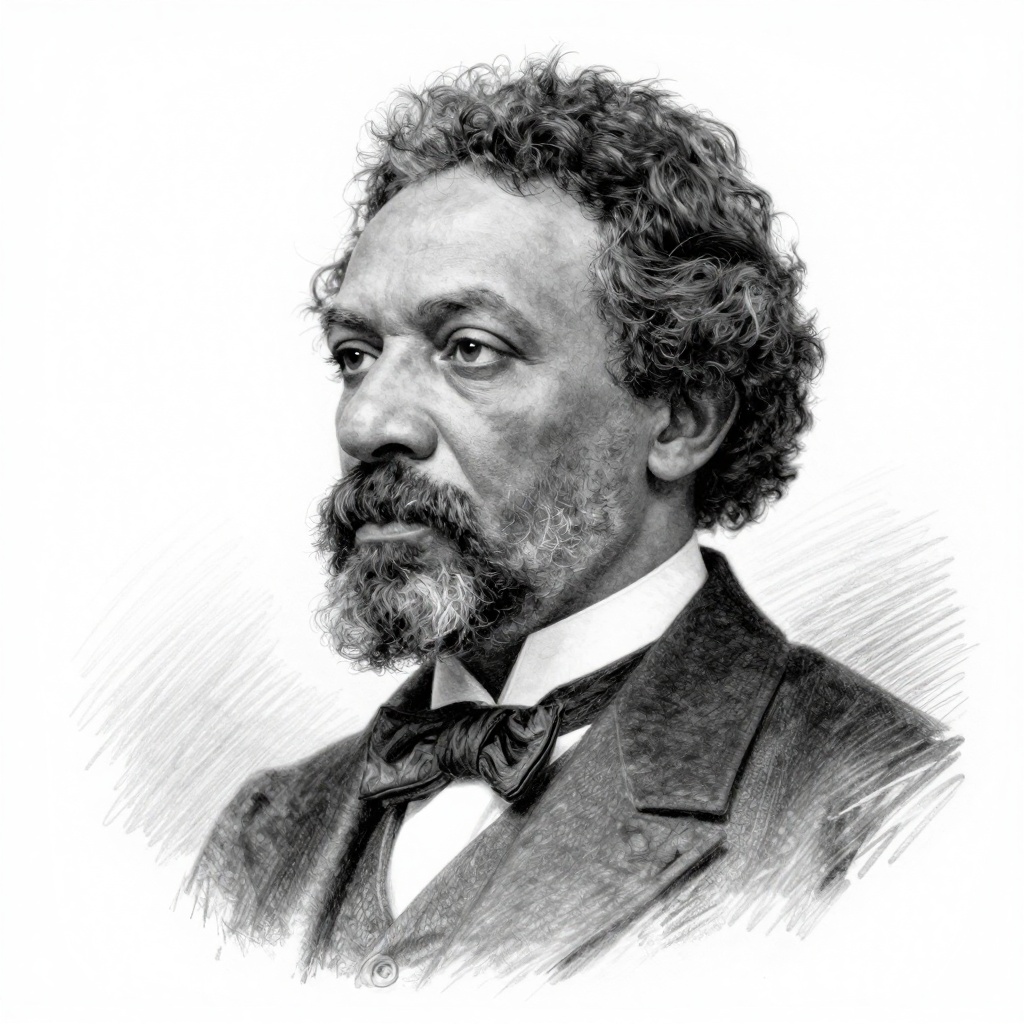
Comments