Quote · Added 14 February 2026
Travel, in the younger sort, is a part of education; in the elder, a part of experience.
Francis BaconEssays, Civil and Moral, 1625
Filed undertravel·education·experience
Quote · Added 14 February 2026
Filed undertravel·education·experience
There's something almost cruel about how travel changes meaning across your lifetime. When you're young and everything feels open, travel is about collecting—new languages, new foods, new ways of seeing. You're building your mental toolbox, gathering raw material about how the world actually works versus how you've read it works. You need that wildness.
But somewhere along the way, the point shifts. Travel stops being about filling gaps and starts being about deepening understanding. An older traveler might return to the same café in Rome not because they haven't explored elsewhere, but because they're finally ready to really see it. They notice the light differently, the conversations mean more, because they have enough context to understand what they're witnessing. The world hasn't changed, but they have.
The tricky part is that both phases matter, and you can't really skip the first to get to the second. You actually need those chaotic, scattered trips when you're younger—the mistakes, the wrong turns, the moments of being completely lost. That's what teaches you how to travel later with patience instead of hurry. Maybe the real art is recognizing which season you're in and traveling accordingly, rather than pretending all travel is the same goal.
1561–1626·lived 65 years
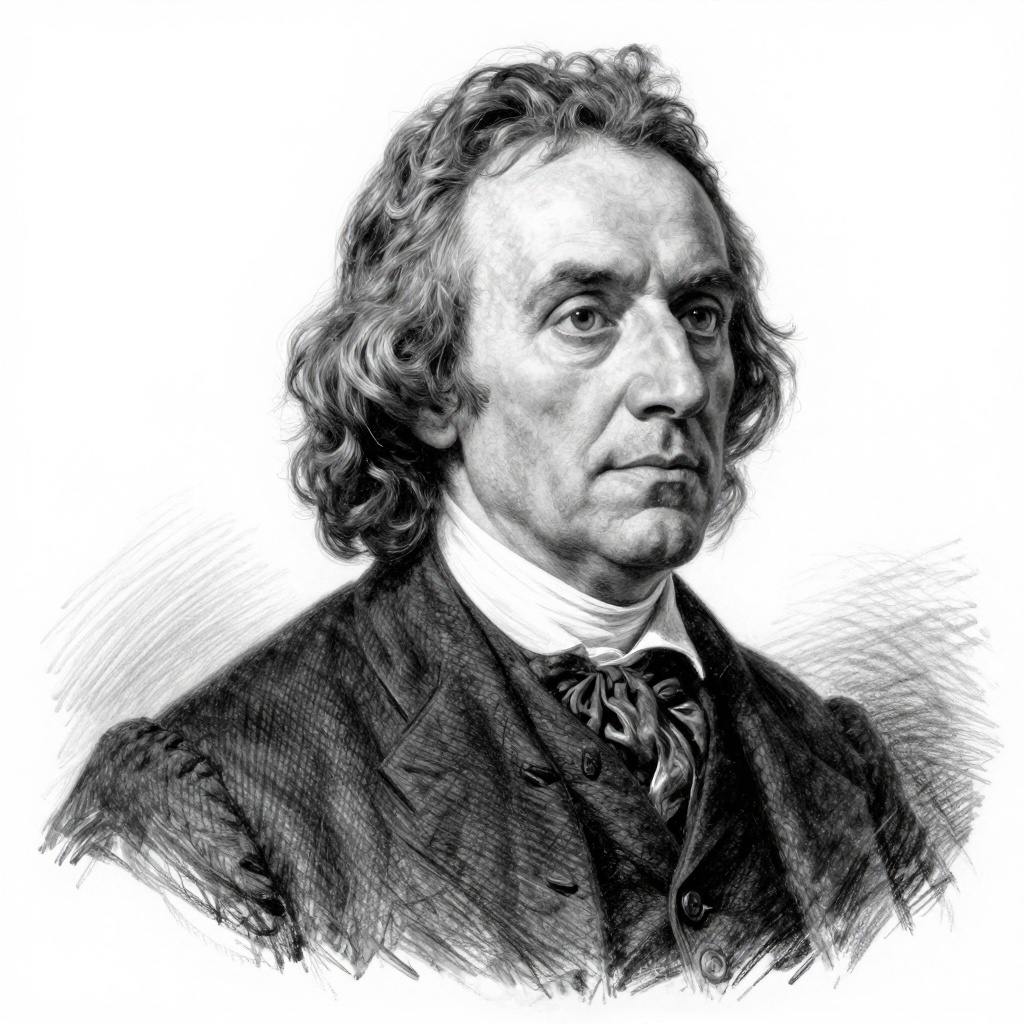
Francis Bacon (1561–1626) was an English philosopher, statesman, scientist, and author. Known as the father of empiricism, Bacon's works laid the groundwork for the scientific method and emphasized the importance of observation and experimentation in the pursuit of knowledge. His contributions to philosophy and science have had a profound impact on the development of modern thought.
Comments