Quote · Added 11 February 2026
A man that studieth revenge keeps his own wounds green.
Francis BaconEssays, Civil and Moral, Essay 36, 1625
Filed underrevenge·wounds·reflection
Quote · Added 11 February 2026
Filed underrevenge·wounds·reflection
When you're hurt by someone, revenge feels like justice—like the natural way to balance the scales. But Bacon noticed something most of us only realize too late: holding onto that plan keeps the injury fresh. You're essentially poking at the wound every single day, replaying what happened, imagining what you'll do about it, staying angry. The person who wronged you has moved on, but you're still bleeding.
This matters because we think revenge will give us closure. Actually, it does the opposite. Every time you rehearse your comeback or fantasize about comeuppance, you're choosing to stay in that moment of hurt. You're letting the person who already damaged you continue damaging you, rent-free in your head. Meanwhile, healing requires something far harder: accepting that what happened was unfair and deciding to move forward anyway.
The non-obvious part? Forgiveness isn't about being nice to the other person. It's about finally closing the door on your own wound. You stop touching it. That's when it actually gets a chance to scar over and become part of your story instead of the center of it.
1561–1626·lived 65 years
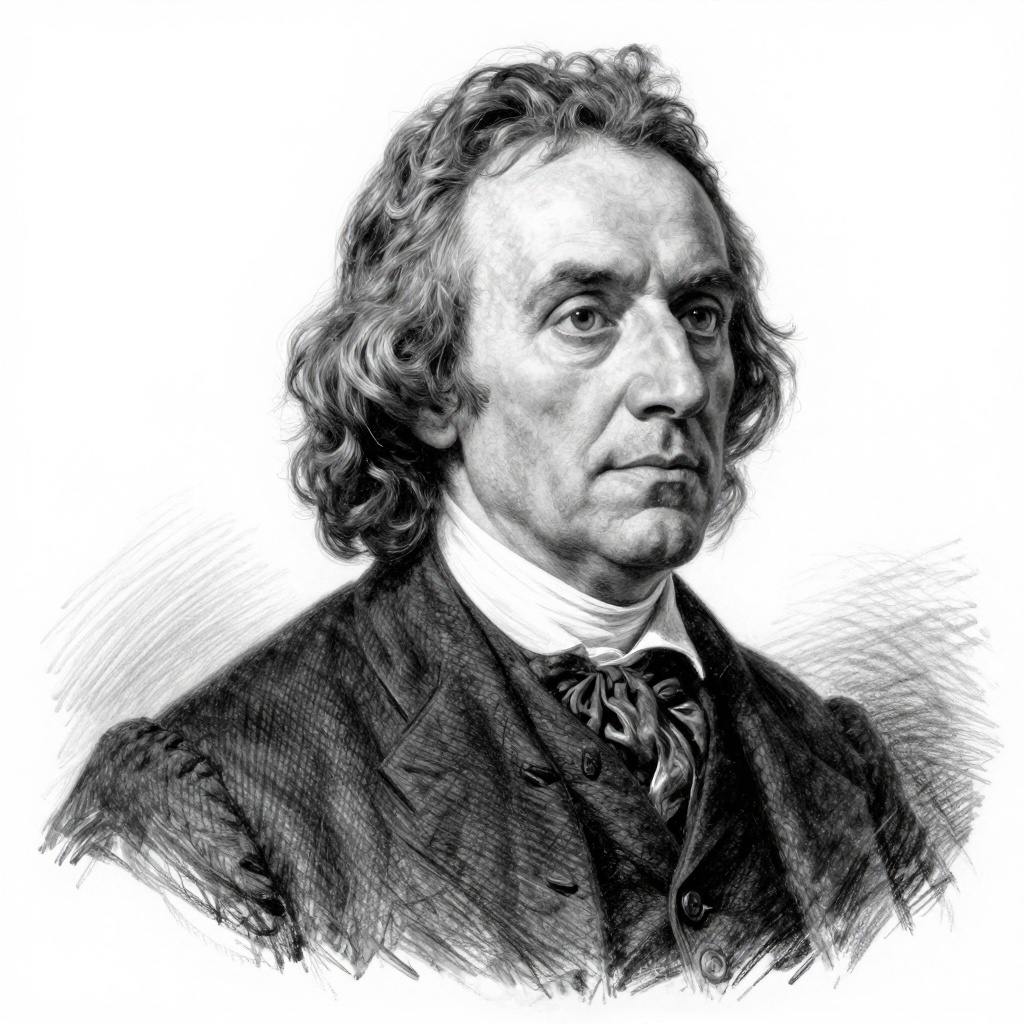
Francis Bacon (1561–1626) was an English philosopher, statesman, scientist, and author. Known as the father of empiricism, Bacon's works laid the groundwork for the scientific method and emphasized the importance of observation and experimentation in the pursuit of knowledge. His contributions to philosophy and science have had a profound impact on the development of modern thought.
Comments