Quote · Added 27 September 2025
Why should you feel anger at the world? As if the world would notice.
EuripidesMedea, line 96
Filed underanger·reflection·indifference
Quote · Added 27 September 2025
Filed underanger·reflection·indifference
There's a paradox in anger that this ancient playwright captured perfectly: we rage at injustice, unfairness, or people who've wronged us, imagining somehow that our fury makes a dent in the universe. But the world doesn't flinch. Your boss doesn't feel your resentment. That rude driver is already gone. The system doesn't care about your indignation, no matter how justified it is.
This isn't an argument for passivity—it's a wake-up call about where anger actually lives. When you're seething at someone else's indifference or cruelty, you're the one carrying the weight. You're the one whose sleep suffers, whose peace gets chipped away. The anger you're directing outward is really happening inside you. That's where it has teeth.
The insight that can shift something: anger is most useful when it motivates you to act, to set boundaries, to change course. But resentment held alone, anger nursed without action, is just a way of letting what hurt you keep hurting you. The world moves on either way. The question becomes: do you move with it, or do you stay stuck in the wreckage?
2000–406 BC
Euripides was a prominent ancient Greek tragedian, born around 480 BC on the island of Salamis. He is known for his innovative and often unconventional approach to drama, focusing on the inner lives and emotions of his characters. Some of his most famous works include "Medea," "The Bacchae," and "Hippolytus," which have had a lasting influence on literature and theater.
Also by Euripides
Do not plan for ventures before finishing what's at hand.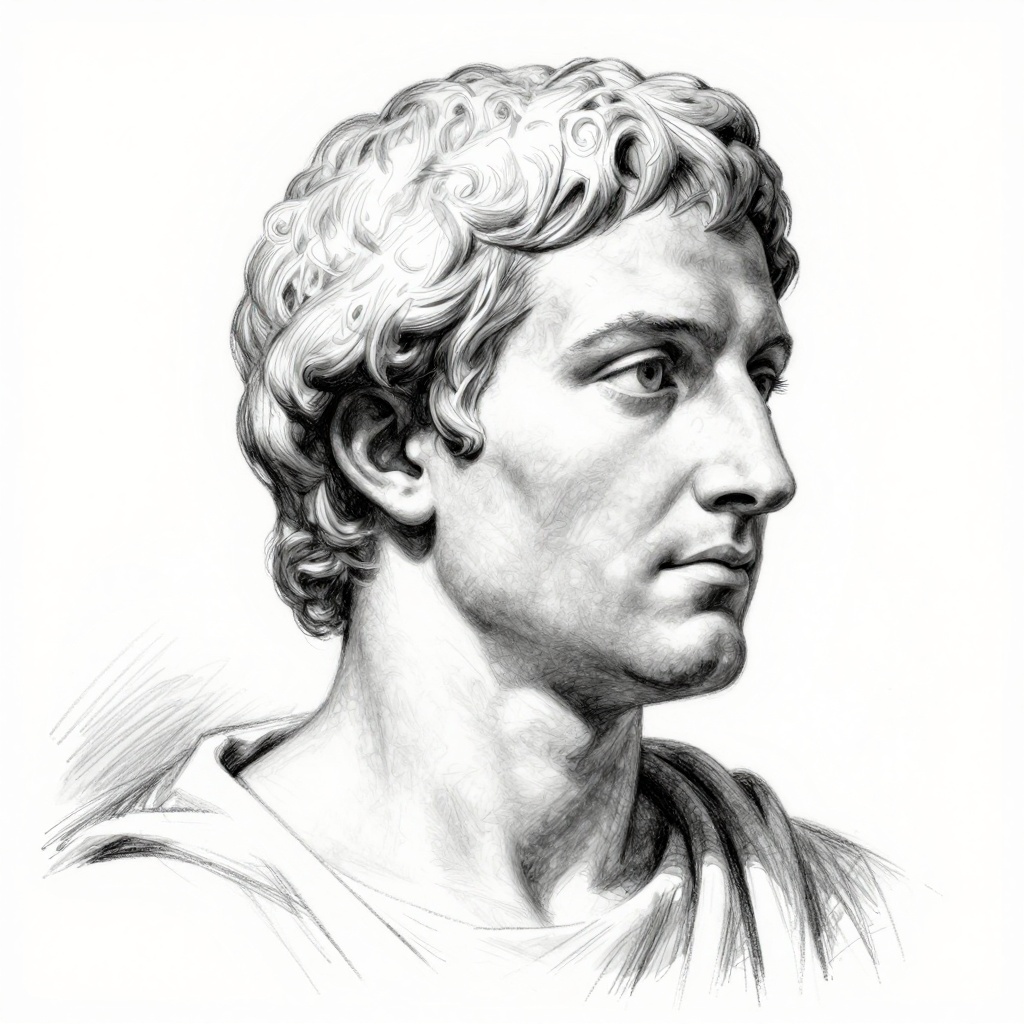
Comments