Quote · Added 14 February 2026
To persevere, trusting in what hopes he has, is courage in a man.
EuripidesHippolytus, 428 BC
Filed underperseverance·courage·hope
Quote · Added 14 February 2026
Filed underperseverance·courage·hope
There's something quietly radical about this definition of courage. We usually imagine it as dramatic—the soldier charging forward, the whistleblower speaking up at enormous cost. But Euripides points to something subtler: the person who keeps going precisely because they haven't given up on their hopes yet. That takes a different kind of strength.
Think about the moments this applies. It's the person applying for jobs after rejection, still believing something will work out. It's the parent staying patient through a difficult phase with their child, holding onto hope that things will improve. It's someone staying in a difficult relationship or situation longer because they genuinely believe it can get better—which isn't naïveté, it's a choice to let hope guide action rather than despair. The courage here isn't about ignoring risk or hardship. It's about moving forward while still trusting that things could turn out well, even when there's no guarantee.
What makes this distinction matter now is how easy it's become to mistake cynicism for realism. We're surrounded by voices suggesting that hope is foolish, that perseverance is pointless. But Euripides suggests the opposite: trusting in your hopes despite uncertainty—continuing to show up, to care, to try—that's where real courage lives.
2000–406 BC
Euripides was a prominent ancient Greek tragedian, born around 480 BC on the island of Salamis. He is known for his innovative and often unconventional approach to drama, focusing on the inner lives and emotions of his characters. Some of his most famous works include "Medea," "The Bacchae," and "Hippolytus," which have had a lasting influence on literature and theater.
Also by Euripides
Do not plan for ventures before finishing what's at hand.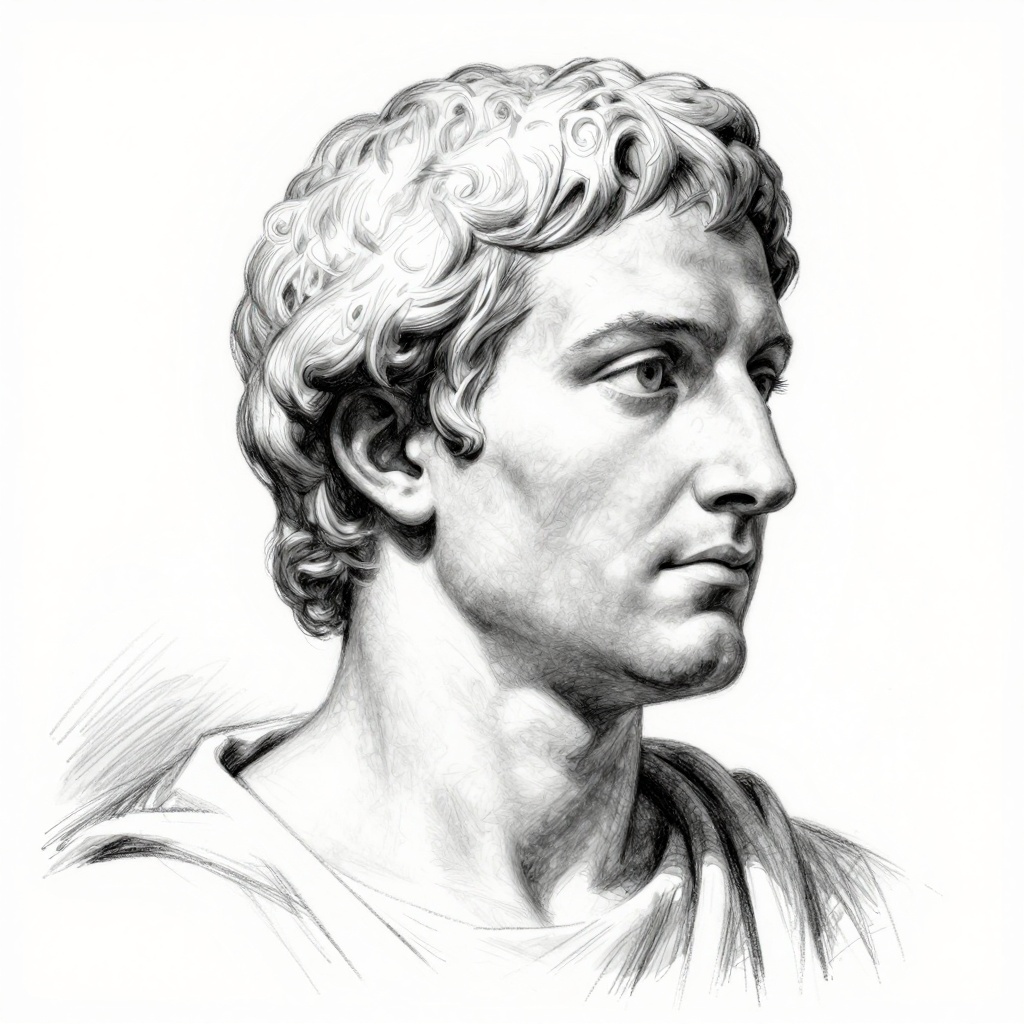
Comments