Quote · Added 15 February 2026
Youth is the best time to be rich, and the best time to be poor.
Filed underyouth·wealth·opportunity
Quote · Added 15 February 2026
Filed underyouth·wealth·opportunity
There's something almost paradoxical about this claim, but it cuts right to how we actually experience constraint and possibility. When you're young and broke, you have something that money can't buy back later: time, energy, and the freedom to rebuild if things fail. You can live in a terrible apartment, eat badly, work odd jobs—and it reads as temporary, almost adventurous. That same situation at fifty feels like catastrophe. Meanwhile, young wealth lets you compound advantages—education, connections, the ability to take unpaid internships that lead somewhere—in a way that older money simply can't replicate.
But there's a twist most people miss. Youth wealth can actually be a disadvantage if it removes the hunger that teaches you how to navigate real obstacles. Plenty of young rich people burn through advantages because they never learned resilience. Young poverty, meanwhile, builds something valuable: the knowledge that you can survive on less, that you're capable of scrappy problem-solving, that you don't actually need as much as you think.
The real insight is that youth is your leverage point for change—whether you have resources or not. You're the most adaptable you'll ever be. The question isn't whether you start rich or poor; it's whether you actually use your youth to build something that matters.
2000–406 BC
Euripides was a prominent ancient Greek tragedian, born around 480 BC on the island of Salamis. He is known for his innovative and often unconventional approach to drama, focusing on the inner lives and emotions of his characters. Some of his most famous works include "Medea," "The Bacchae," and "Hippolytus," which have had a lasting influence on literature and theater.
Also by Euripides
Do not plan for ventures before finishing what's at hand.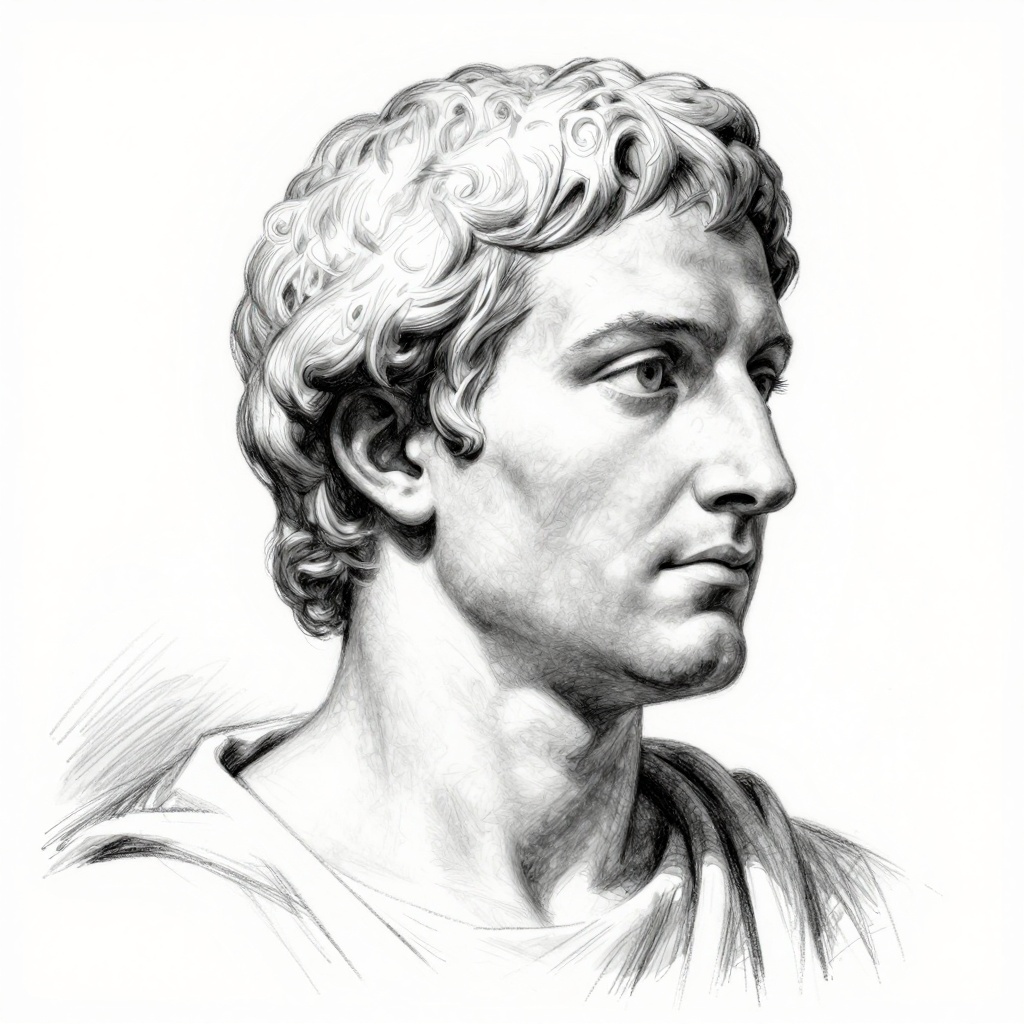
Comments