Quote · Added 14 February 2026
No one can confidently say that he will still be living tomorrow.
EuripidesAlcestis, l. 783-4, 438 BC
Filed underlife·uncertainty·mortality
Quote · Added 14 February 2026
Filed underlife·uncertainty·mortality
We live as though we're guaranteed another day. We put off the conversation we should have, the trip we'd love to take, the thing we're genuinely curious about. Tomorrow feels so solid, so certain, that today's hesitation seems practical—we'll do it later, when conditions are better, when we have more time. But Euripides was pointing at something we actually know: none of us has a contract with tomorrow.
This isn't meant to sound grim. It's actually oddly liberating when you sit with it. The point isn't to become reckless or ignore consequences—it's that false certainty about the future is what keeps us stuck. We treat postponement like a safe bet, but the real risk might be assuming there's always time. People who've faced sudden loss often report the same thing: they wish they'd known earlier that the small moments—the unhurried conversation, the genuine attention—were the real richness all along.
The modern twist is that we've outsourced our sense of uncertainty to calendars and schedules. We feel calmer pretending we control what comes next. But that sense of solid ground is partly an illusion. What Euripides is really saying is that acknowledging uncertainty isn't pessimism—it's the clearest-eyed reason to care about what's actually in front of you right now.
2000–406 BC
Euripides was a prominent ancient Greek tragedian, born around 480 BC on the island of Salamis. He is known for his innovative and often unconventional approach to drama, focusing on the inner lives and emotions of his characters. Some of his most famous works include "Medea," "The Bacchae," and "Hippolytus," which have had a lasting influence on literature and theater.
Also by Euripides
Do not plan for ventures before finishing what's at hand.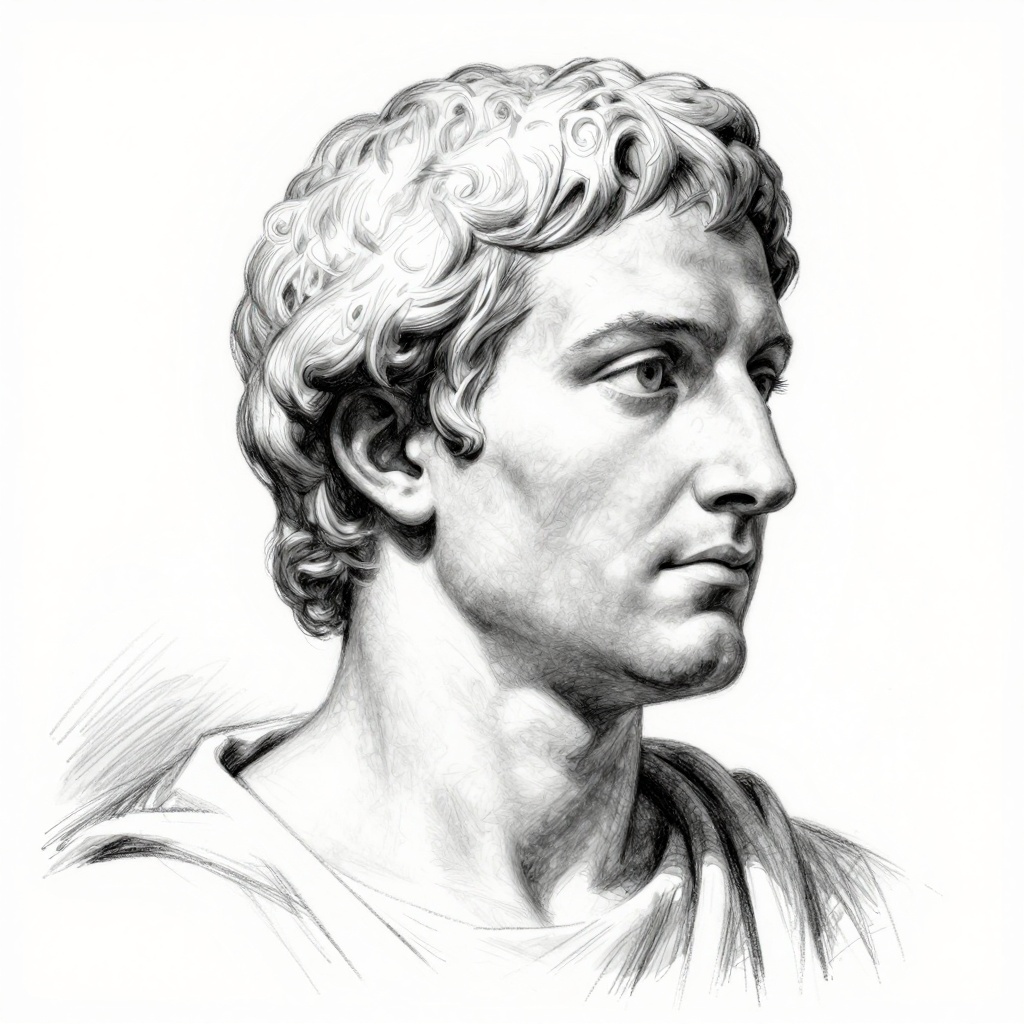
Comments