Quote · Added 15 February 2026
When you are offended at any man's fault, turn to yourself and study your own failings. Then you will forget your anger.
Filed underfault·self-reflection·anger
Quote · Added 15 February 2026
Filed underfault·self-reflection·anger
Most of us know that moment: someone irritates us, cuts us off, or does something thoughtless, and we're genuinely upset. We rehearse their mistake in our heads, mentally prosecute their case. But here's what's interesting about this old observation—it's not saying "be nice and forgive them." It's saying something almost selfish: turn away from their fault entirely and look at yourself instead.
The reason this works has less to do with moral superiority and more to do with what actually happens in your brain. When you shift focus from their mistake to your own patterns—the times you've been careless, impatient, or unkind—something changes. You're no longer locked in that righteous anger; you're in a different conversation with yourself. Suddenly you remember you're not perfect either. And in that recognition, the heat drains out of the offense. Not because you've decided to be virtuous, but because you've stopped playing the role of the injured party.
This matters now because we live in a culture that rewards outrage and offense. We're encouraged to stay angry, to keep the mistake in focus. But Epictetus suggests something quieter: that the fastest way out of anger isn't forgiveness—it's honest self-examination. Which, strangely, is also the fastest route to actual peace.
50–135·lived 85 years
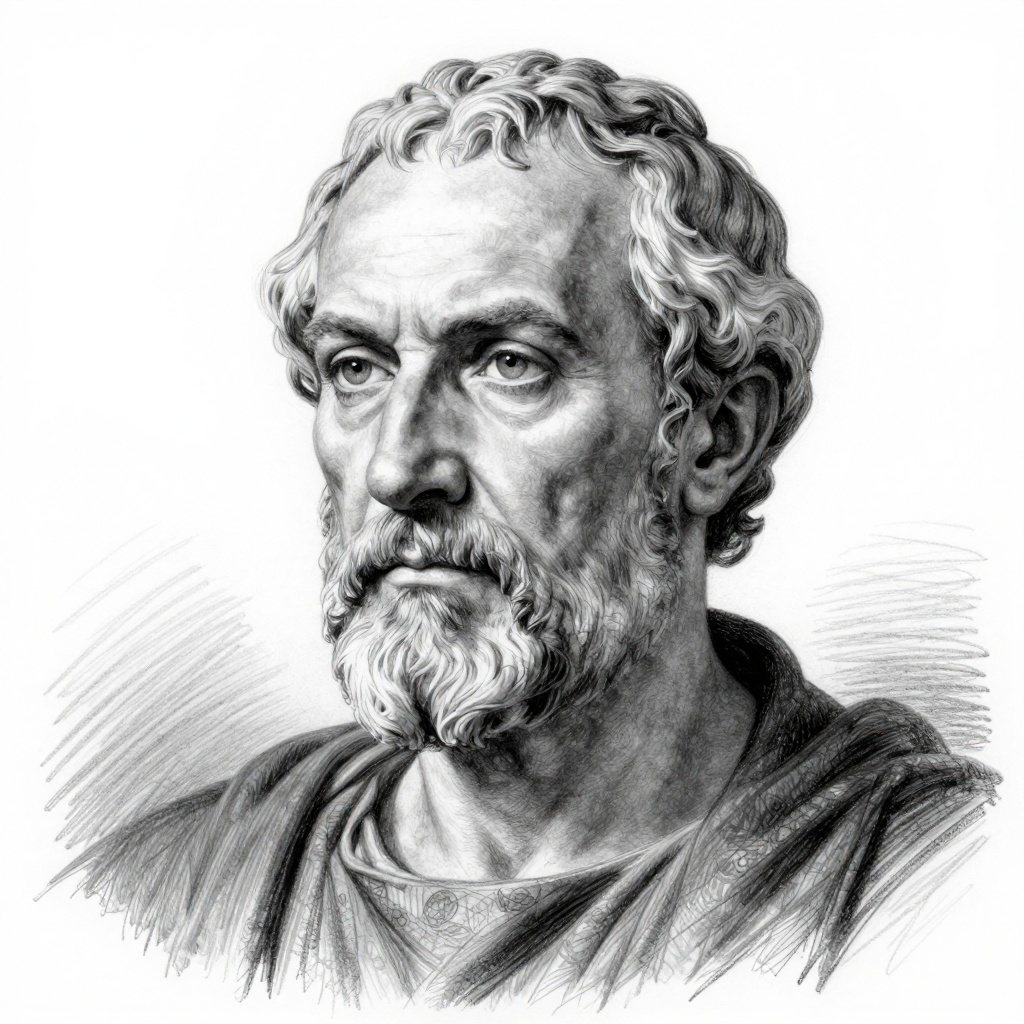
Epictetus was a Greek philosopher born around 50 AD. He was known for his teachings on Stoicism, emphasizing personal ethics, self-control, and resilience in the face of adversity. Epictetus's lectures were compiled by his student Arrian into the "Discourses," which have had a lasting impact on Western philosophy.
Comments