Quote · Added 14 February 2026
There is only one way to happiness and that is to cease worrying about things which are beyond the power of our will.
EpictetusEnchiridion, p. 45, 1995
Filed underhappiness·worrying·acceptance
Quote · Added 14 February 2026
Filed underhappiness·worrying·acceptance
We spend an enormous amount of mental energy on things we can't actually control—what someone thinks of us, whether we get the job, if it rains on our wedding day, what the news cycle brings tomorrow. The exhausting part isn't the situation itself; it's the constant negotiation with reality, the mental argument we're having in the background all day long. Epictetus understood something counterintuitive: happiness isn't about arranging the world perfectly. It's about redirecting your attention to what's actually yours to shape.
The trick is recognizing the difference in real time. You can't control other people's opinions, but you can control how you show up. You can't control whether you get rejected, but you can control whether you actually try. This isn't about lowering your standards or becoming passive—it's about stopping the wasteful spiral of worry and channeling that energy into decisions and actions that are actually within your reach. The moment you stop fighting reality and start working with what you've got, something shifts. You're no longer exhausted from the fight you're losing in your head.
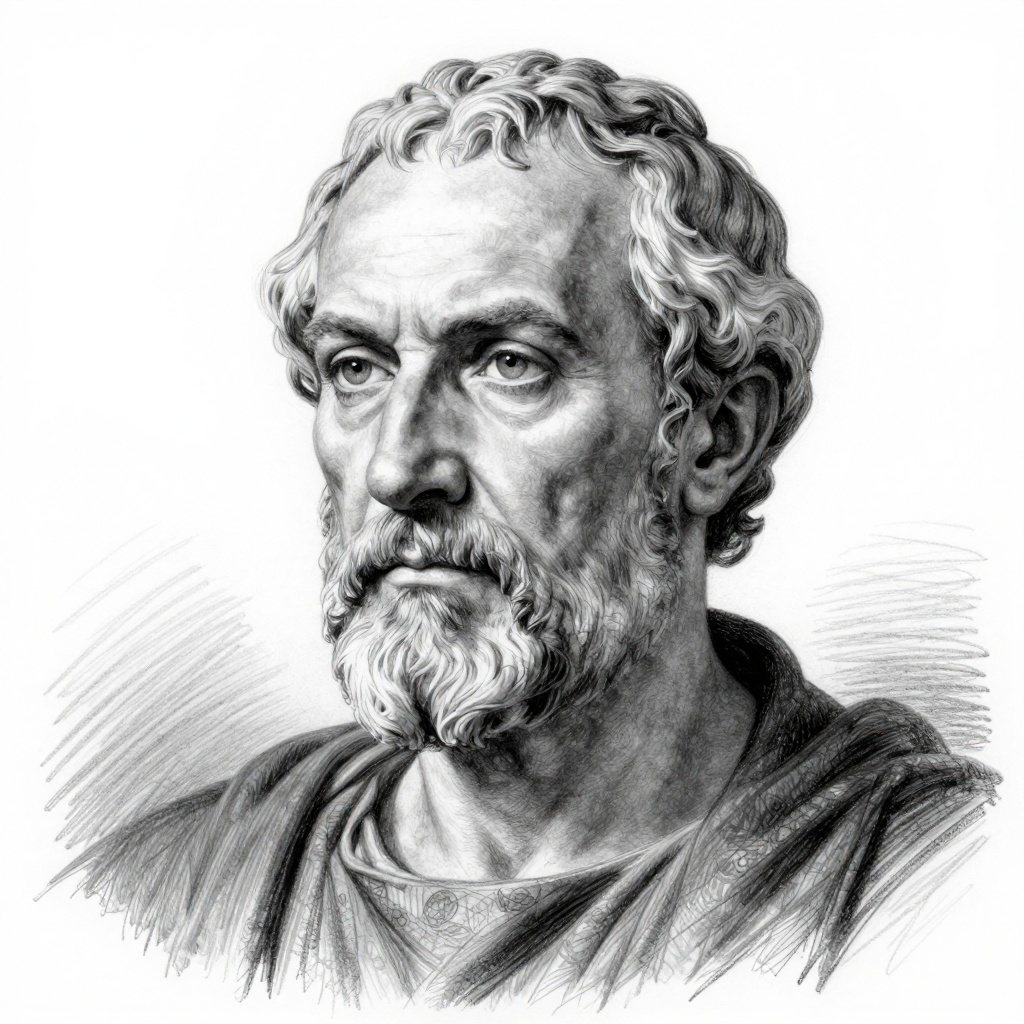
50–135·lived 85 years
Epictetus was a Greek philosopher born around 50 AD. He was known for his teachings on Stoicism, emphasizing personal ethics, self-control, and resilience in the face of adversity. Epictetus's lectures were compiled by his student Arrian into the "Discourses," which have had a lasting impact on Western philosophy.
Comments