Quote · Added 10 February 2026
Only the educated are free.
EpictetusDiscourses, Book 1, 135
Filed undereducation·freedom·empowerment
Quote · Added 10 February 2026
Filed undereducation·freedom·empowerment
There's a paradox hiding in this ancient observation that still stings today. We think of freedom as the absence of constraints—no one telling us what to do, where to go, or how to think. But Epictetus was pointing at something deeper: real freedom is about having choices and understanding them well enough to use them wisely. An uneducated person might technically be "free" to make decisions, but without knowledge, context, or critical thinking skills, they're actually trapped. They can't see the manipulation in what they're told. They can't navigate complex systems. They can't imagine alternatives.
This matters more now than perhaps ever. We're drowning in information, yet many of us feel less free than previous generations—more anxious, more easily triggered, more at the mercy of whatever algorithm feeds us next. Someone who understands how media works, how their own biases operate, how to evaluate sources, who has learned history and economics and psychology? They're genuinely harder to manipulate. They can move through the world with actual agency.
The uncomfortable part is that education here doesn't just mean formal schooling. It means ongoing curiosity, reading things that challenge you, thinking beyond your immediate circle. It's work. But that work is what transforms freedom from a nice idea into something you can actually live.
50–135·lived 85 years
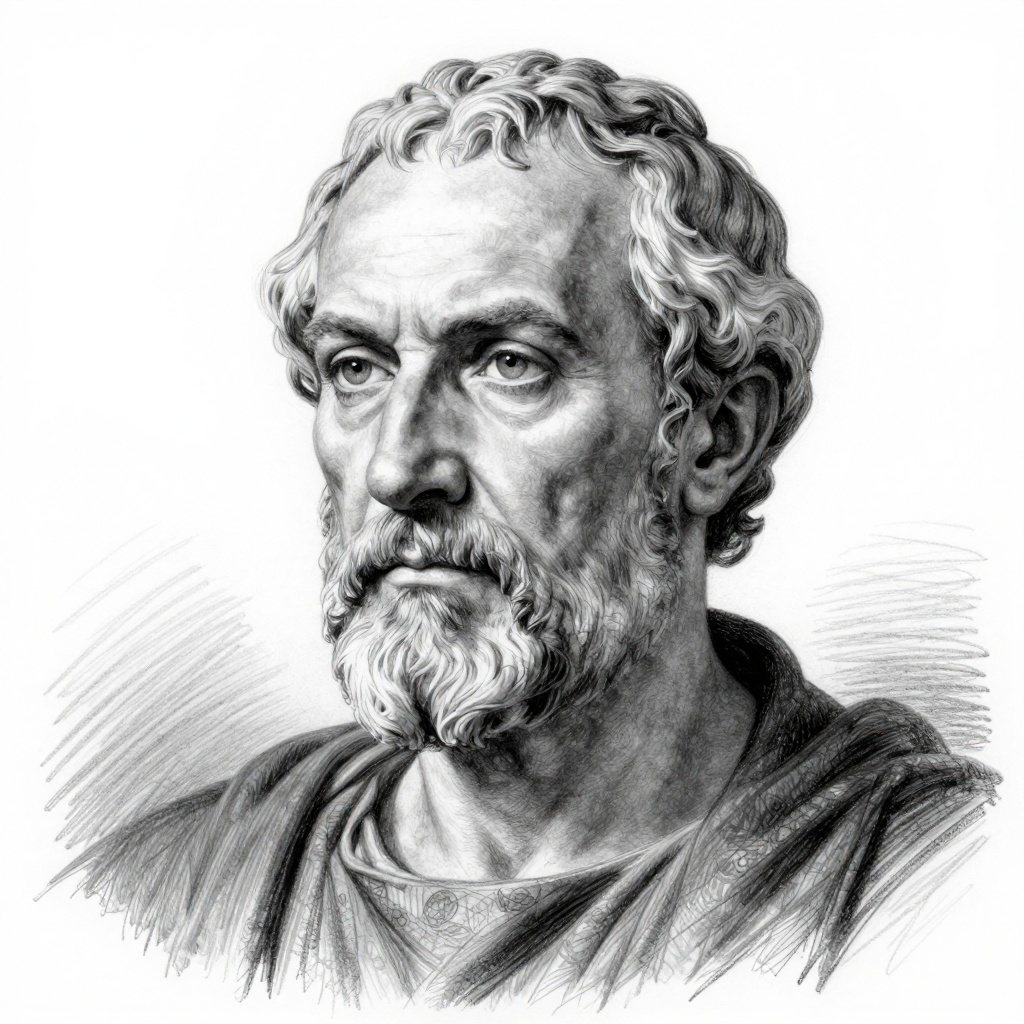
Epictetus was a Greek philosopher born around 50 AD. He was known for his teachings on Stoicism, emphasizing personal ethics, self-control, and resilience in the face of adversity. Epictetus's lectures were compiled by his student Arrian into the "Discourses," which have had a lasting impact on Western philosophy.
Comments