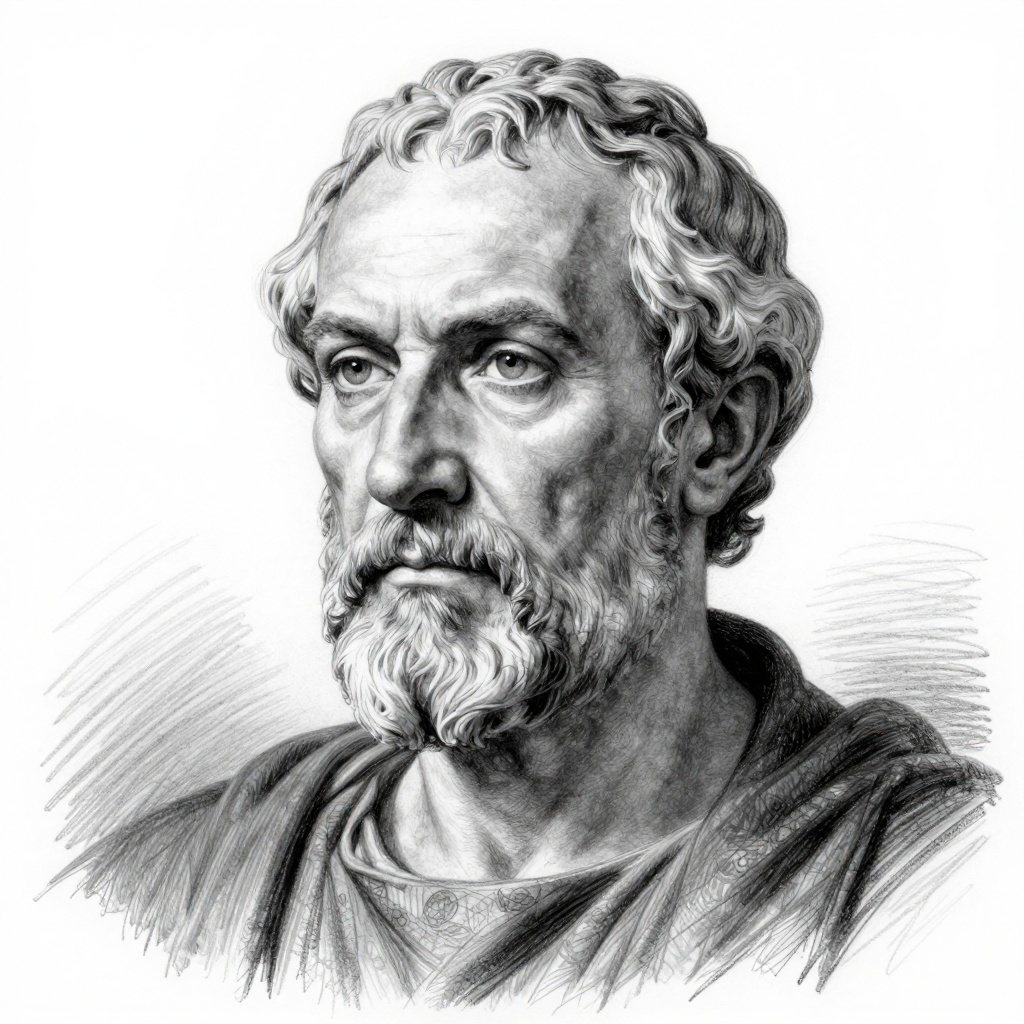
Not every difficult and dangerous thing is suitable for training, but only that which is conducive to success... — Epictetus

Not every difficult and dangerous thing is suitable for training, but only that which is conducive to success in achieving the object of our effort.

Author: Epictetus

Insight: We're naturally drawn to difficulty as a sign of growth. There's something satisfying about the struggle itself—the grueling workout, the deliberately hard problem, the self-imposed challenge. But Epictetus cuts through this: difficulty for its own sake is just suffering, not training. The question isn't whether something is hard. It's whether that particular hardship actually moves you toward what matters. Think about how often we punish ourselves with the wrong kind of resistance. Someone wants to write a book but spends months perfecting their desk setup and reading every writing manual. Someone wants to get fit but trains for a marathon when their real goal is daily strength. The difficulty is real in both cases, but it's pointing the wrong direction. Real training is uncomfortable and specific, calibrated to your actual aim. It's the difference between running because you're escaping something and running because you're moving toward something concrete. This reframes what "pushing yourself" actually means. It's not about maximizing pain or proving toughness. It's about choosing difficulties that compound into the result you're after. Sometimes that means going easier in certain areas so you can go harder on what truly counts. Discipline isn't about suffering more—it's about suffering smarter.

Source: Enchiridion, 26

Not every difficult and dangerous thing is suitable for training, but only that which is conducive to success in achieving the object of our effort.

EpictetusEnchiridion, 26

Difficulty must serve your actual goal

We're naturally drawn to difficulty as a sign of growth. There's something satisfying about the struggle itself—the grueling workout, the deliberately hard problem, the self-imposed challenge. But Epictetus cuts through this: difficulty for its own sake is just suffering, not training. The question isn't whether something is hard. It's whether that particular hardship actually moves you toward what matters.

Think about how often we punish ourselves with the wrong kind of resistance. Someone wants to write a book but spends months perfecting their desk setup and reading every writing manual. Someone wants to get fit but trains for a marathon when their real goal is daily strength. The difficulty is real in both cases, but it's pointing the wrong direction. Real training is uncomfortable and specific, calibrated to your actual aim. It's the difference between running because you're escaping something and running because you're moving toward something concrete.

This reframes what "pushing yourself" actually means. It's not about maximizing pain or proving toughness. It's about choosing difficulties that compound into the result you're after. Sometimes that means going easier in certain areas so you can go harder on what truly counts. Discipline isn't about suffering more—it's about suffering smarter.

Comments

Sign in to leave a comment or reply to one.

Sign in

Epictetus

Epictetus was a Greek philosopher born around 50 AD. He was known for his teachings on Stoicism, emphasizing personal ethics, self-control, and resilience in the face of adversity. Epictetus's lectures were compiled by his student Arrian into the "Discourses," which have had a lasting impact on Western philosophy.

Graph

Related