Quote · Added 1 July 2024
If you wish to improve, be content to appear clueless or stupid.
EpictetusEnchiridion, p. 125
Filed underimprovement·humility·growth
Quote · Added 1 July 2024
Filed underimprovement·humility·growth
There's something almost radical about permission to look foolish. Most of us spend enormous energy maintaining an image of competence, even in areas where we're genuinely lost. We nod along in meetings we don't understand. We Google things instead of asking. We stay silent rather than admit confusion. But this strategy backfires—it keeps us stuck, circling the same blind spots.
Real learning requires vulnerability. When you ask the "obvious" question, when you admit you don't know, when you try something and fail publicly, you're actually doing the hard work that builds actual skill. The person who looks dumb in a beginner's yoga class but shows up every week will eventually be more flexible than the person too proud to start. That feeling of being the least knowledgeable person in the room? That's not a sign you don't belong there. It's evidence you're exactly where you need to be.
The twist is that appearing clueless and actually being clueless are opposites. Real stupidity is the stubborn refusal to question yourself. Wisdom starts with being okay with not having all the answers—comfortable enough with your own incompleteness that you can actually do something about it.
50–135·lived 85 years
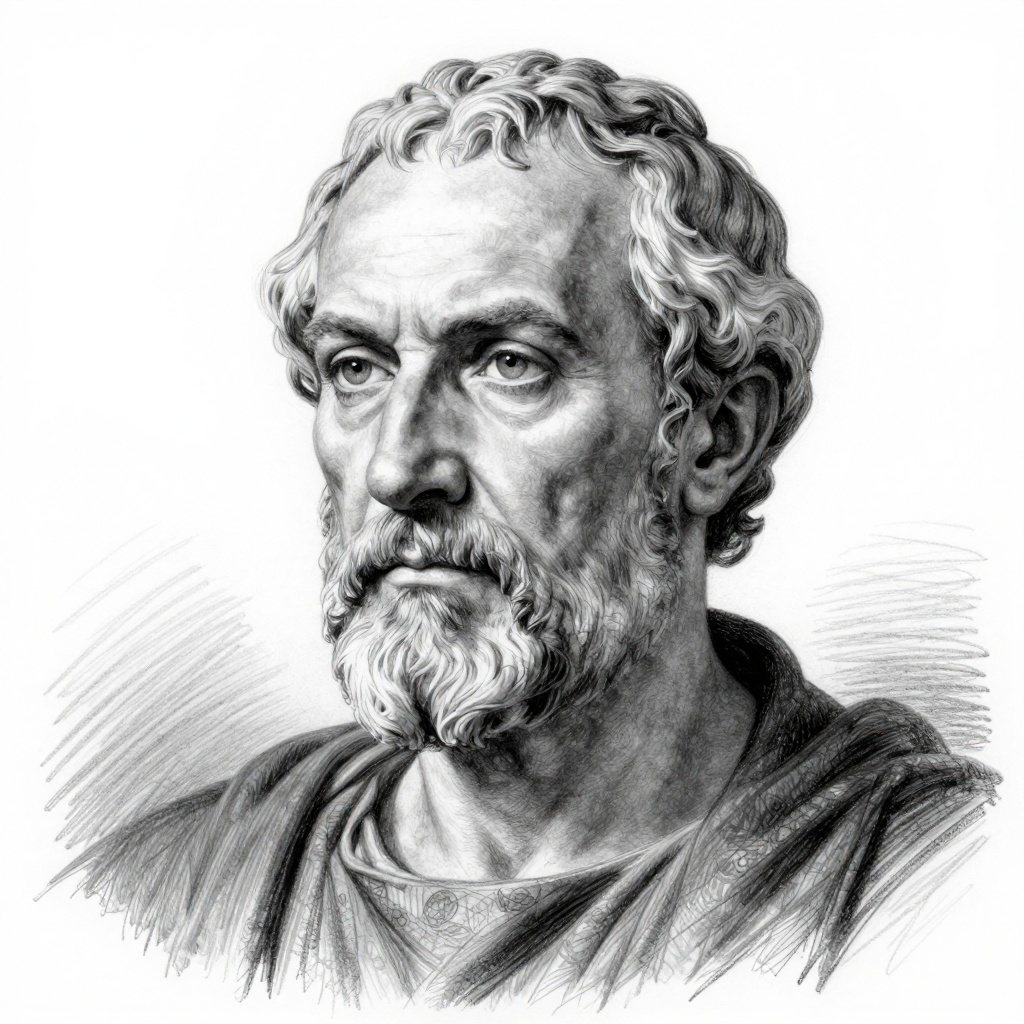
Epictetus was a Greek philosopher born around 50 AD. He was known for his teachings on Stoicism, emphasizing personal ethics, self-control, and resilience in the face of adversity. Epictetus's lectures were compiled by his student Arrian into the "Discourses," which have had a lasting impact on Western philosophy.
Comments