If virtue promises happiness, prosperity and peace, then progress in virtue is progress in each of these for t... — Epictetus

If virtue promises happiness, prosperity and peace, then progress in virtue is progress in each of these for to whatever point the perfection of anything brings us, progress is always an approach toward it.

Author: Epictetus

Insight: There's a quietly radical idea buried here: that getting better at being a good person isn't some separate moral duty you do because you have to. It's actually the most practical path to the life you want. Epictetus isn't saying virtue makes you happy through some mysterious cosmic reward system. He's saying that becoming more honest, thoughtful, and intentional literally moves you closer to the peace and stability you're already seeking. Most of us feel the tension differently. We think virtue costs us something—honesty might hurt relationships, restraint means missing out, generosity empties our pockets. But Epictetus points at something we actually experience: the moment you stop lying to yourself about a problem, you move toward solving it. When you act with integrity instead of scheming, stress drops. When you stop blaming others, you get agency back. Each small shift toward better judgment isn't a sacrifice—it's momentum toward the life you're trying to build. The non-obvious part is that this works backwards too. If you're stuck, unhappy, or perpetually stressed, Epictetus would suggest asking what virtues you might be neglecting. Not as guilt, but as diagnosis. Progress isn't some distant destination you'll reach eventually. It's already happening in real-time, every time you choose what's right over what's easy.

Source: Discourses, Book 4, Chapter 7

If virtue promises happiness, prosperity and peace, then progress in virtue is progress in each of these for to whatever point the perfection of anything brings us, progress is always an approach toward it.

EpictetusDiscourses, Book 4, Chapter 7

Virtue is the shortcut you're avoiding

There's a quietly radical idea buried here: that getting better at being a good person isn't some separate moral duty you do because you have to. It's actually the most practical path to the life you want. Epictetus isn't saying virtue makes you happy through some mysterious cosmic reward system. He's saying that becoming more honest, thoughtful, and intentional literally moves you closer to the peace and stability you're already seeking.

Most of us feel the tension differently. We think virtue costs us something—honesty might hurt relationships, restraint means missing out, generosity empties our pockets. But Epictetus points at something we actually experience: the moment you stop lying to yourself about a problem, you move toward solving it. When you act with integrity instead of scheming, stress drops. When you stop blaming others, you get agency back. Each small shift toward better judgment isn't a sacrifice—it's momentum toward the life you're trying to build.

The non-obvious part is that this works backwards too. If you're stuck, unhappy, or perpetually stressed, Epictetus would suggest asking what virtues you might be neglecting. Not as guilt, but as diagnosis. Progress isn't some distant destination you'll reach eventually. It's already happening in real-time, every time you choose what's right over what's easy.

Comments

Sign in to leave a comment or reply to one.

Sign in

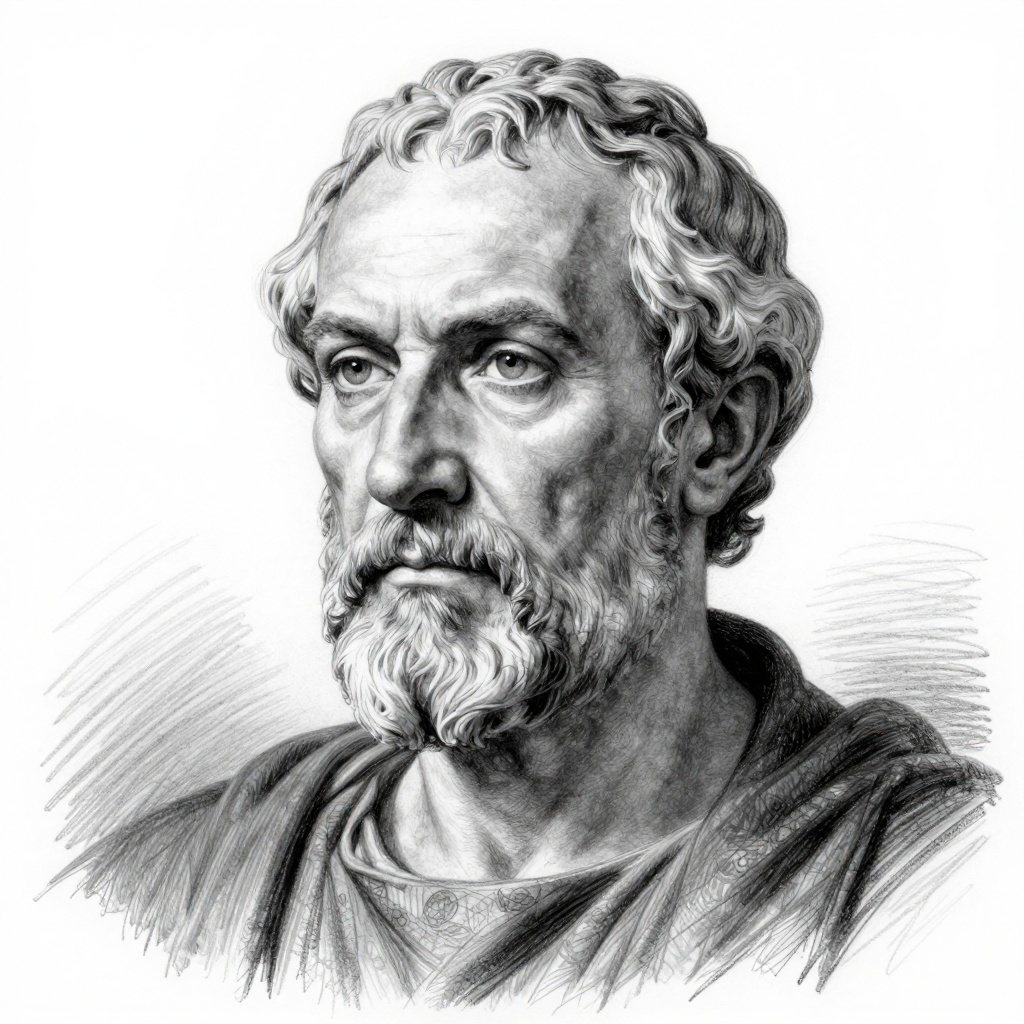
Epictetus

Epictetus was a Greek philosopher born around 50 AD. He was known for his teachings on Stoicism, emphasizing personal ethics, self-control, and resilience in the face of adversity. Epictetus's lectures were compiled by his student Arrian into the "Discourses," which have had a lasting impact on Western philosophy.

Graph

Related