Quote · Added 4 April 2024
He who laughs at himself never runs out of things to laugh at.
Filed underlaughter·humility·self-awareness
Quote · Added 4 April 2024
Filed underlaughter·humility·self-awareness
There's something quietly powerful about being able to laugh at your own mistakes instead of stewing in embarrassment about them. Most of us spend energy trying to hide the awkward things we do—the text we sent to the wrong person, the ambitious project that flopped, the time we completely misread a situation. But when you can genuinely laugh at yourself, that whole exhausting performance stops. You're no longer defending a perfect image that doesn't exist anyway.
The deeper wisdom here is about perspective. When you take yourself less seriously, you actually become more resilient. Failures stop feeling like permanent verdicts on who you are and start feeling like just... things that happened. This is especially relevant now, when social media makes it tempting to curate an invulnerable version of ourselves. The people who seem most confident and grounded aren't usually the ones pretending they never mess up—they're the ones who can acknowledge their mess-ups without it derailing them.
What's surprising is that self-humor isn't about being self-deprecating or down on yourself. It's the opposite. It's a form of freedom. When you can laugh at yourself, you're essentially saying, "I'm aware of my own ridiculous humanity, and that's okay." That kind of acceptance is actually where real self-respect lives.
50–135·lived 85 years
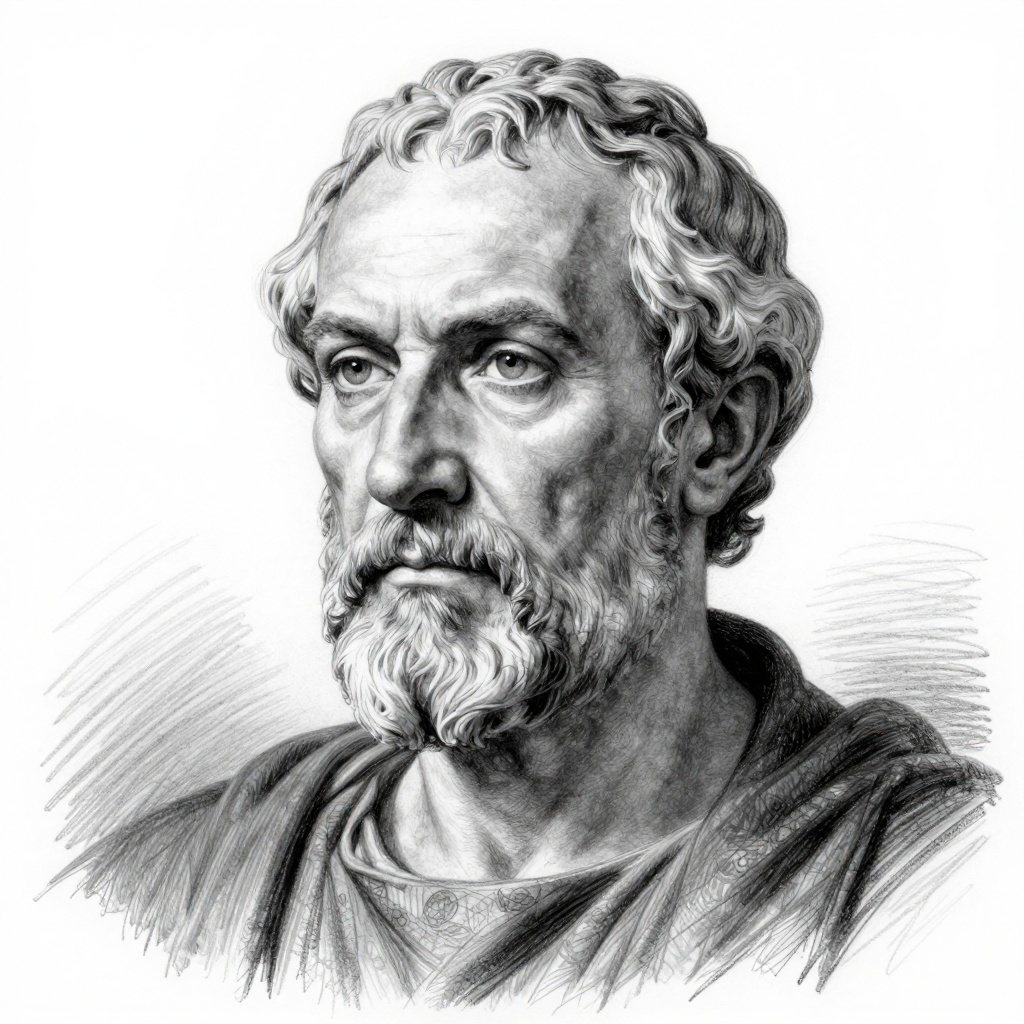
Epictetus was a Greek philosopher born around 50 AD. He was known for his teachings on Stoicism, emphasizing personal ethics, self-control, and resilience in the face of adversity. Epictetus's lectures were compiled by his student Arrian into the "Discourses," which have had a lasting impact on Western philosophy.
Comments