Quote · Added 4 September 2023
Don't explain your philosophy. Embody it.
EpictetusEnchiridion, Chapter 46
Filed underphilosophy·action·embodiment
Quote · Added 4 September 2023
Filed underphilosophy·action·embodiment
We live in an age of endless explaining. We justify our choices on social media, defend our values in group chats, write out our personal philosophies in dating profiles. Yet somehow all this talk rarely changes anyone's mind—including our own. The real transmission of belief happens wordlessly, in how you actually move through the world.
Think about the people who genuinely impressed you. Likely, you didn't absorb their values from a lecture or manifesto. You noticed how they treated a waiter, what they did when no one was watching, how they handled disappointment or success. Their consistency did the teaching. Words create the illusion of conviction; actions prove it exists.
There's something quietly powerful about this too. If you stop spending energy explaining why you're kind or authentic or disciplined, you free yourself to actually be those things. You're no longer performing your philosophy for an audience—you're living it because the person you want to become isn't aspirational, it's already your baseline. The philosophy that needs defending probably isn't the one worth keeping.
50–135·lived 85 years
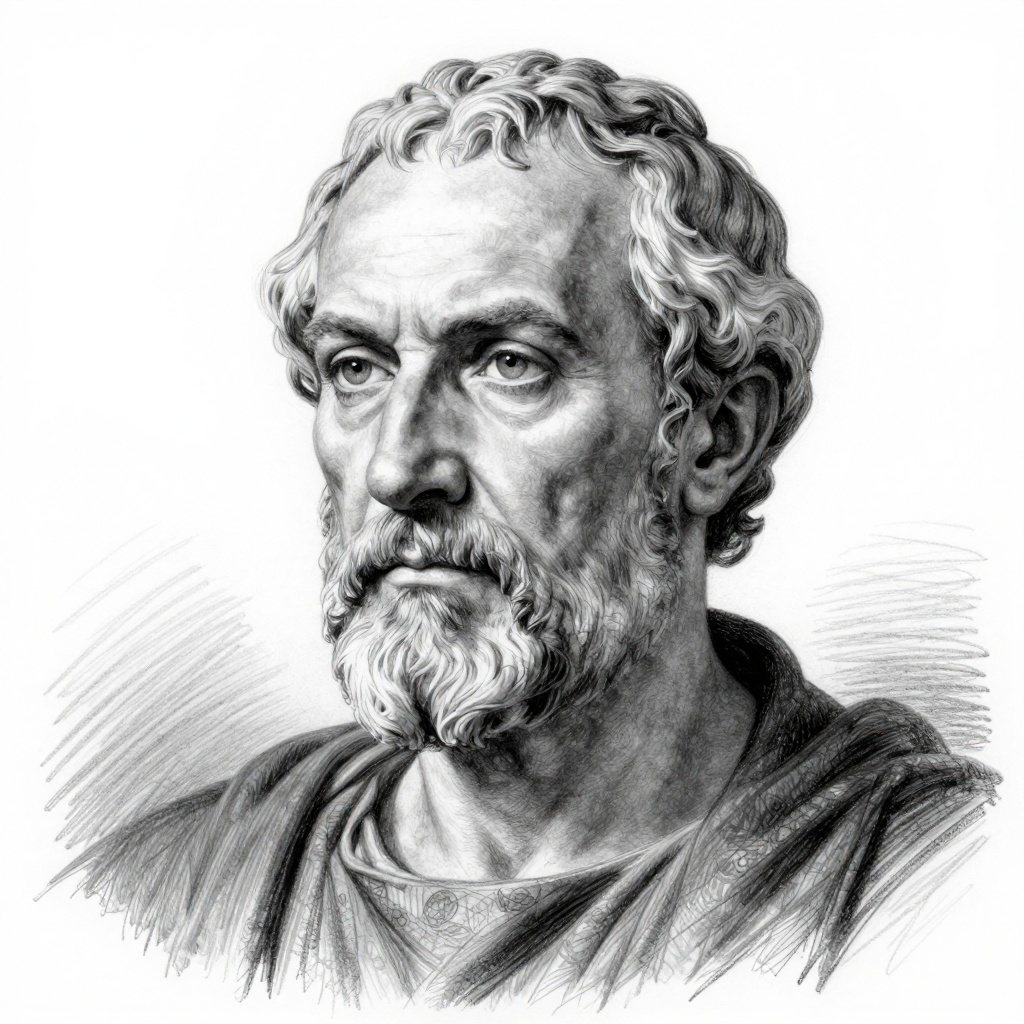
Epictetus was a Greek philosopher born around 50 AD. He was known for his teachings on Stoicism, emphasizing personal ethics, self-control, and resilience in the face of adversity. Epictetus's lectures were compiled by his student Arrian into the "Discourses," which have had a lasting impact on Western philosophy.
Comments