Quote · Added 3 September 2025
Devote the rest of your life to making progress.
EpictetusDiscourses by Epictetus, Book 1, Chapter 10, 135 AD
Filed underprogress·dedication·growth
Quote · Added 3 September 2025
Filed underprogress·dedication·growth
Most of us think progress means reaching a finish line—landing the job, hitting the savings goal, finally getting fit. Then we expect to relax. But what Epictetus understood is that this misses the entire point. Life isn't a problem to solve and then be done with. It's an ongoing process, and the satisfaction comes from the becoming, not the arrival.
The practical magic here is that when you stop waiting for completion, you actually enjoy where you are right now. The person genuinely committed to getting better at their craft finds meaning in today's small improvements, not just some distant mastery. This shifts you from the exhausting treadmill of chasing external wins to something steadier—a quiet momentum that sustains itself.
There's also something liberating about this view. If progress is the goal itself, then you can't really fail. Bad days, setbacks, even boring stretches become part of the legitimate work. You're not racing toward some perfect version of yourself that will finally make you happy. You're building a life where the commitment to growth is what makes you feel alive. It's less about ambition and more about direction—knowing you're facing the right way and moving forward, whatever that looks like today.
50–135·lived 85 years
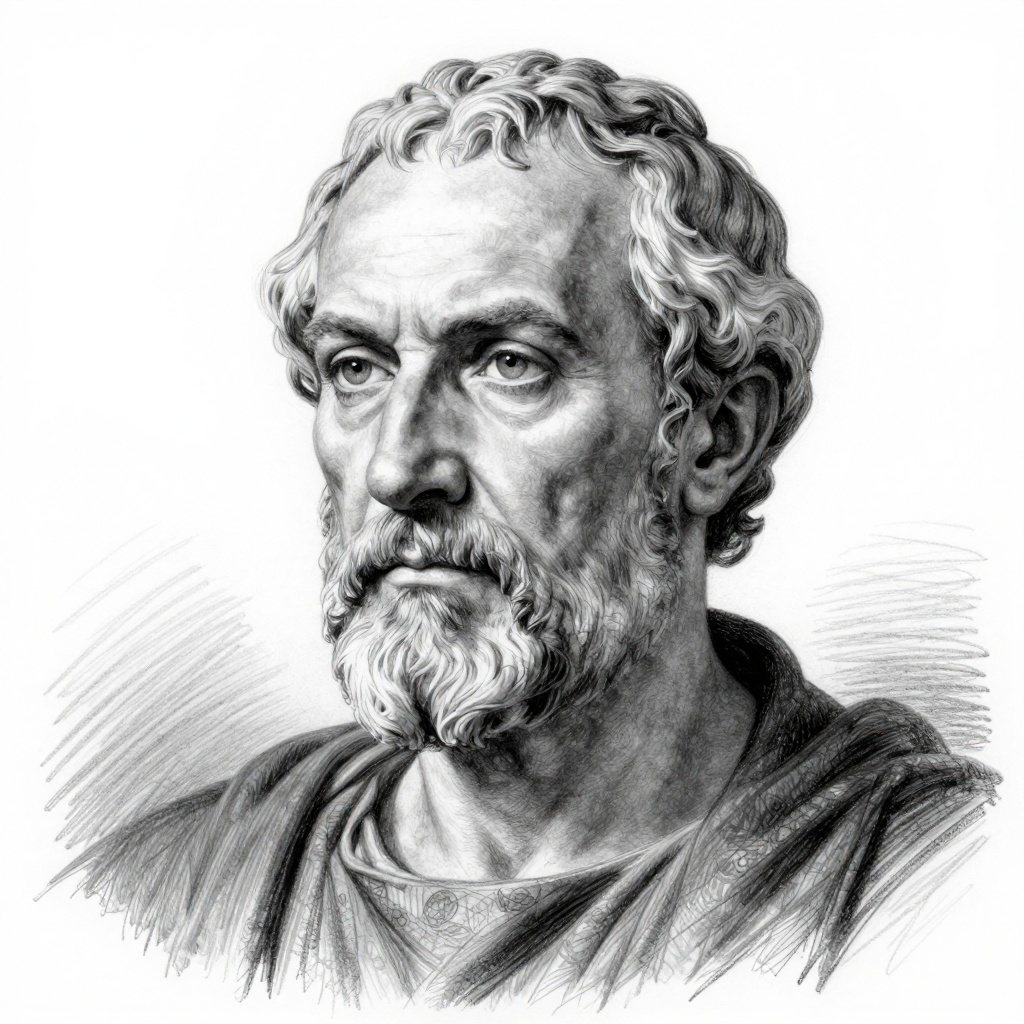
Epictetus was a Greek philosopher born around 50 AD. He was known for his teachings on Stoicism, emphasizing personal ethics, self-control, and resilience in the face of adversity. Epictetus's lectures were compiled by his student Arrian into the "Discourses," which have had a lasting impact on Western philosophy.
Comments