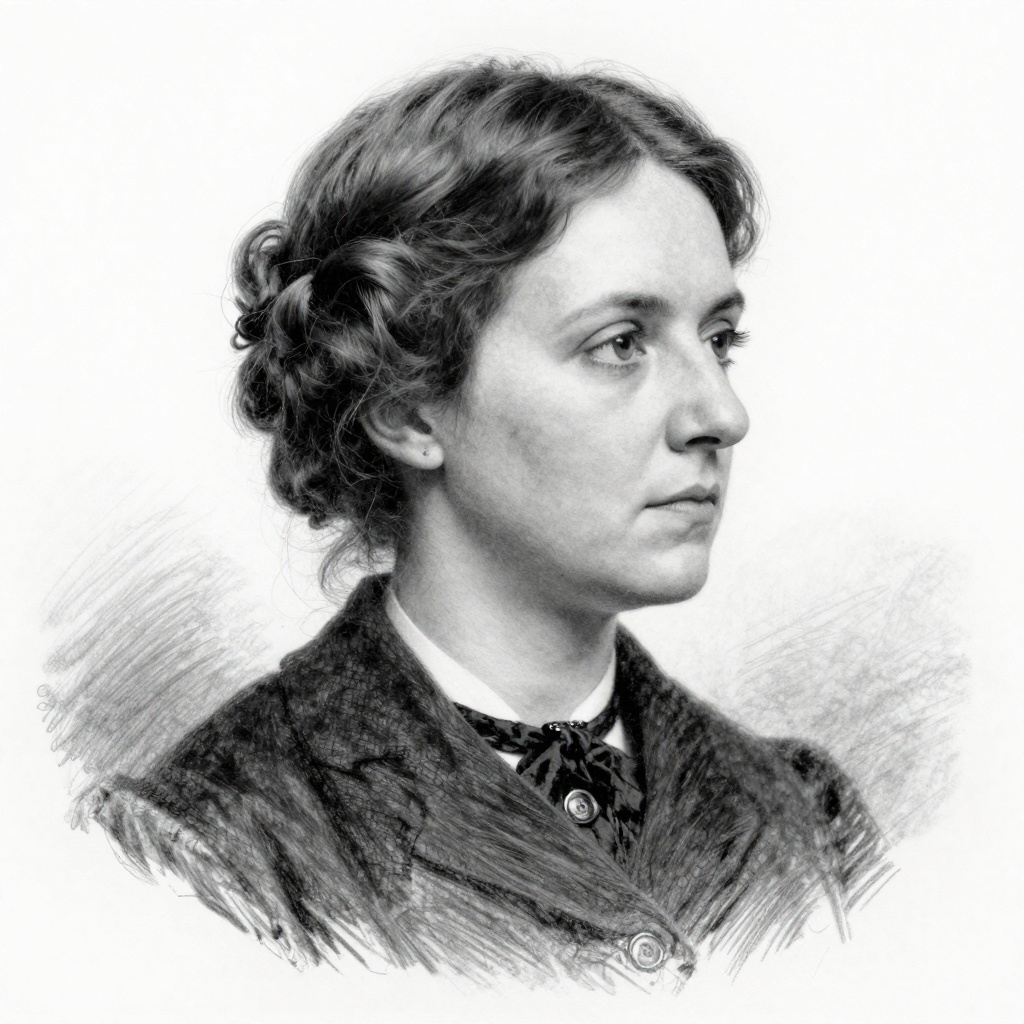
I am growing handsome very fast indeed! I expect I shall be the belle of Amherst when I reach my 17th year. I... — Emily Dickinson
I am growing handsome very fast indeed! I expect I shall be the belle of Amherst when I reach my 17th year. I don't doubt that I shall have perfect crowds of admirers at that age. Then how I shall delight to make them await my bidding, and with what delight shall I witness their suspense while I make my final decision.
Author: Emily Dickinson
Insight: There's something refreshingly honest in this teenage fantasy. Dickinson imagines a future where she holds all the power—where admirers wait anxiously for her judgment, where she gets to decide who's worth her time. Most of us recognize this feeling, though we might be embarrassed to say it out loud. It's the daydream of finally mattering so much that other people have to accommodate us for once, instead of the endless trying and hoping that usually defines adolescence. What makes this genuinely interesting isn't that she wanted attention—plenty of teenagers do. It's that she fantasized specifically about withholding it. The pleasure wasn't in being admired; it was in making people wait, in being the one with the upper hand. That's a subtly different thing. She wanted leverage. Of course, Dickinson never became the belle of Amherst. Instead, she became something stranger and more powerful: a poet who made future generations wait for her meaning, who wrote on her own terms entirely. The teenage fantasy didn't come true, but maybe something deeper did—she got her autonomy anyway, just through a completely different door.