Quote · Added 14 February 2026
Beauty is not caused. It is.
Emily DickinsonThe Further Poems of Emily Dickinson, p. 57, 1929
No ratings yet
Quote · Added 14 February 2026
Beauty doesn't arrive through a chain of events or careful planning. You don't manufacture it, and you can't really explain why a particular moment stopped you in your tracks. A shaft of afternoon light through a kitchen window, a stranger's laugh, the specific blue of a winter sky—these things just exist, and somehow they move us. There's something almost stubborn about beauty in this way. It refuses to follow a logic we can reverse-engineer.
This matters because we live in a time obsessed with causation and optimization. We're trained to ask "how do I get this?" and "what's the formula?" But beauty resists that question. You can't build it like you build a house or earn it like you earn money. Fighting against this—trying to force beauty or waiting for the perfect conditions to finally feel moved—often leaves us numb. The real shift happens when you stop looking for the mechanism and just let yourself notice what's already there.
The non-obvious part: this quote is actually permission to stop trying so hard. Dickinson suggests that the most beautiful things aren't achievements. They're just presences you encounter when you're paying attention. That's both humbling and liberating.
1830–1886·lived 55 years
Emily Dickinson was an American poet known for her unique and concise style of writing. She lived from 1830 to 1886 and is recognized as one of the most important and influential poets in American literature. Despite living a reclusive life, her poetry explored themes of nature, love, death, and immortality.
Also by Emily Dickinson
I wish you a kinder sea.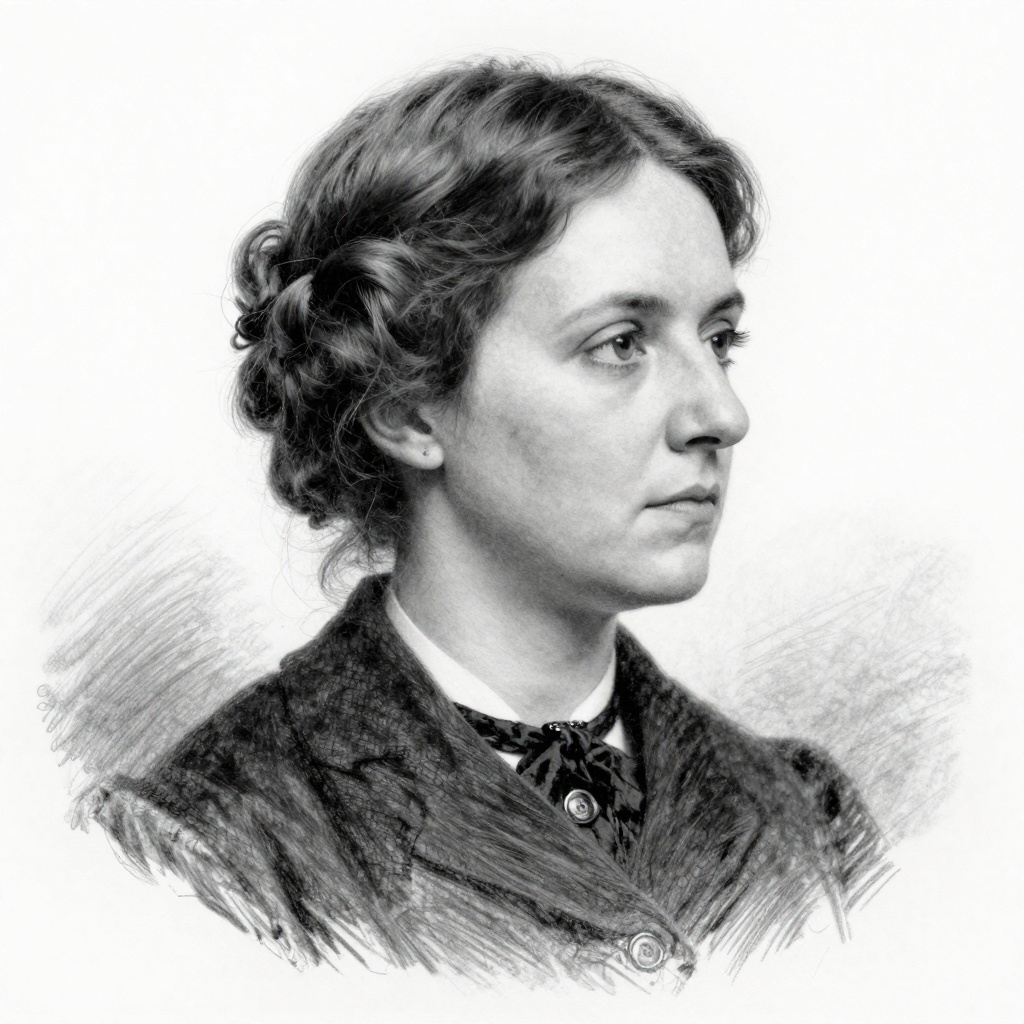
Comments