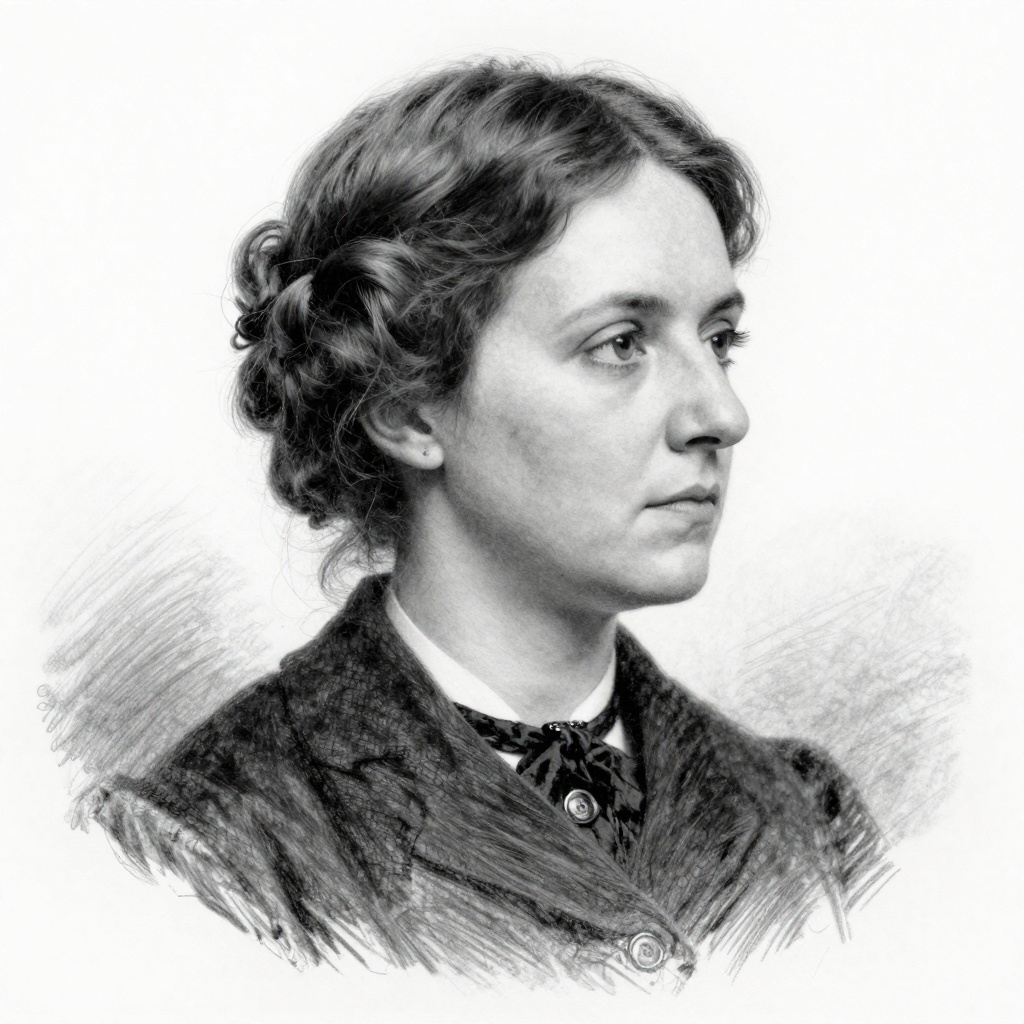
Because I could not stop for death, He kindly stopped for me; The carriage held but just ourselves and immorta... — Emily Dickinson

Because I could not stop for death, He kindly stopped for me; The carriage held but just ourselves and immortality.

Author: Emily Dickinson

Insight: There's something quietly radical about treating death as a courteous visitor rather than an invader. Dickinson doesn't rage or bargain—she narrates an encounter so gentle it almost sounds like a social call. This matters because most of us live as if death is something we can outrun through productivity, optimism, or willful distraction. We treat mortality as rude, unwelcome, something to defeat rather than meet. But Dickinson suggests another way: what if the thing we fear most becomes bearable the moment we stop resisting it? That carriage ride, intimate and slow, transforms death from a catastrophe into something almost companionable. It's not that she's suddenly okay with dying—it's that she's stopped the exhausting work of denial. There's a strange peace in that surrender, and maybe even freedom. The real twist is that this acceptance doesn't make life less precious or urgent. If anything, recognizing death's inevitability is what makes the present moment matter. When you stop fighting the fact of your finitude, you stop wasting energy on dread and might actually notice what's around you. Dickinson's genius was understanding that mortality isn't life's enemy—resistance to it is.

When surrender stops the endless running

Because I could not stop for death, He kindly stopped for me; The carriage held but just ourselves and immortality.

There's something quietly radical about treating death as a courteous visitor rather than an invader. Dickinson doesn't rage or bargain—she narrates an encounter so gentle it almost sounds like a social call. This matters because most of us live as if death is something we can outrun through productivity, optimism, or willful distraction. We treat mortality as rude, unwelcome, something to defeat rather than meet.

But Dickinson suggests another way: what if the thing we fear most becomes bearable the moment we stop resisting it? That carriage ride, intimate and slow, transforms death from a catastrophe into something almost companionable. It's not that she's suddenly okay with dying—it's that she's stopped the exhausting work of denial. There's a strange peace in that surrender, and maybe even freedom.

The real twist is that this acceptance doesn't make life less precious or urgent. If anything, recognizing death's inevitability is what makes the present moment matter. When you stop fighting the fact of your finitude, you stop wasting energy on dread and might actually notice what's around you. Dickinson's genius was understanding that mortality isn't life's enemy—resistance to it is.

AI generated

Comments

Sign in to leave a comment or reply to one.

Sign in

Emily Dickinson

Emily Dickinson was an American poet known for her unique and concise style of writing. She lived from 1830 to 1886 and is recognized as one of the most important and influential poets in American literature. Despite living a reclusive life, her poetry explored themes of nature, love, death, and immortality.

Graph

Related