Quote · Added 14 February 2026
Old age comes on suddenly, and not gradually as is thought.
No ratings yet
Filed underage·time·perception
Quote · Added 14 February 2026
Filed underage·time·perception
We imagine aging as a slow fade, like the dimming of a light switch turned gradually down. But anyone who's lived long enough knows the truth Dickinson captured: one day you're fine, the next day your knees hurt in a way they didn't before, or you can't recover from a late night the way you used to, or you look in the mirror and barely recognize yourself. The shift feels shockingly abrupt.
This matters because we're often blindsided by it. We put off the doctor's appointment, the difficult conversation, the thing we wanted to try—convinced we have endless time to get to it gradually. But life doesn't work that way. People don't decline in a smooth, predictable arc you can prepare for. There's a before and after, sometimes marked by a single moment or season.
The strange comfort in Dickinson's observation is that it cuts through false reassurance. Recognizing that aging arrives suddenly—that our bodies and circumstances can shift without warning—might actually be the nudge we need to stop postponing what matters. Not from fear, but from clarity. Time doesn't announce itself. It just arrives.
1830–1886·lived 55 years
Emily Dickinson was an American poet known for her unique and concise style of writing. She lived from 1830 to 1886 and is recognized as one of the most important and influential poets in American literature. Despite living a reclusive life, her poetry explored themes of nature, love, death, and immortality.
Also by Emily Dickinson
I wish you a kinder sea.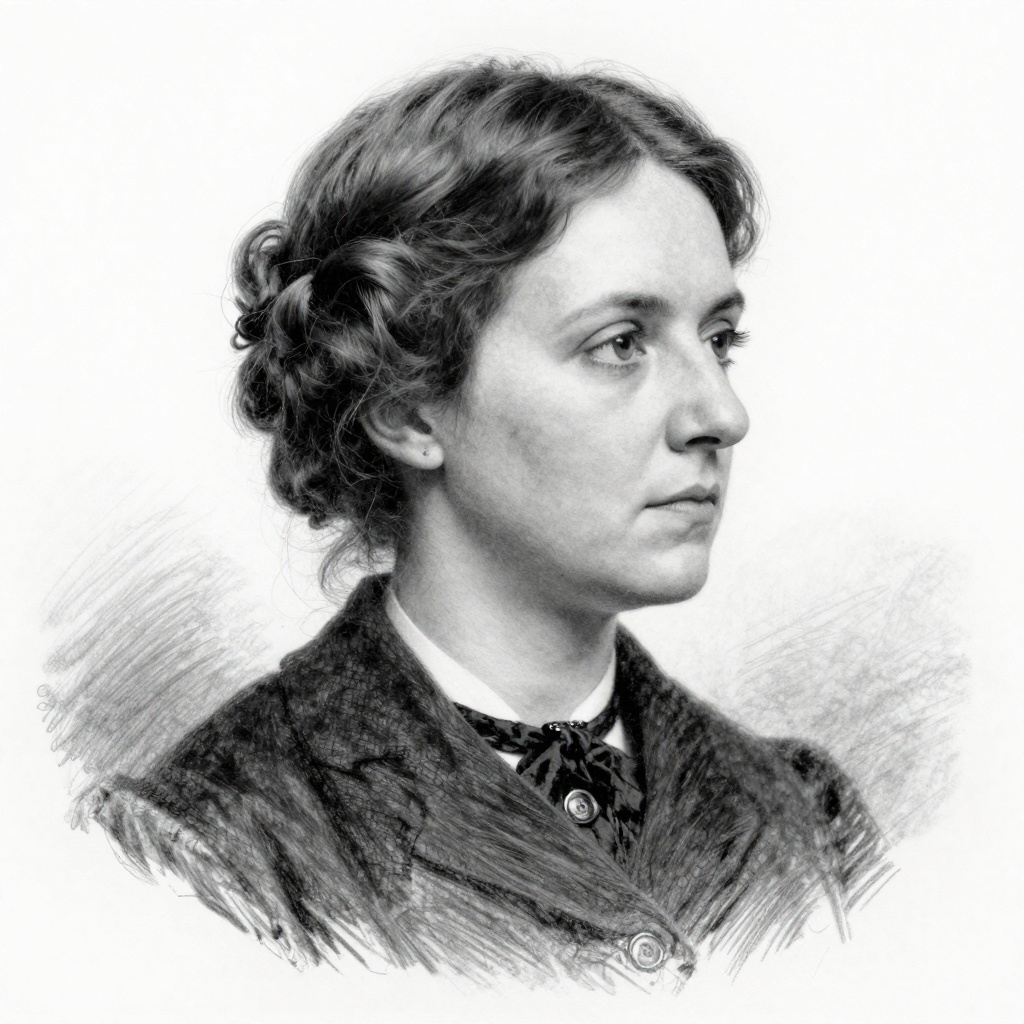
Comments