Quote · Added 14 February 2026
When bad men combine, the good must associate; else they will fall one by one, an unpitied sacrifice in a contemptible struggle.
Edmund BurkeReflections on the Revolution in France, p. 87, 1790
No ratings yet
Quote · Added 14 February 2026
There's a quiet tragedy in watching isolated good people get picked off by organized bad ones. Burke understood something we see play out constantly: individual virtue doesn't automatically protect you. A person of integrity standing alone against coordinated wrongdoing is basically defenseless. They lose their job, their reputation, their case in court—and everyone watches it happen with a shrug.
This matters now because we live in an age of sophisticated coordination. Bad actors don't fumble around—they organize, they strategize, they show up together. Meanwhile good people often stay siloed, thinking their righteousness is enough or that getting involved means compromising somehow. The result is predictable: they fall, one by one, while the organized opposition consolidates power. It's not that good people aren't brave enough. It's that bravery without coordination is almost always outnumbered.
The surprising part is that Burke isn't really calling for moral purity. He's making a practical point about power. Association, teamwork, collective action—these aren't distractions from doing good. They're actually essential to it. The moment good people start thinking "I'll stand alone on principle," they've already lost the game.
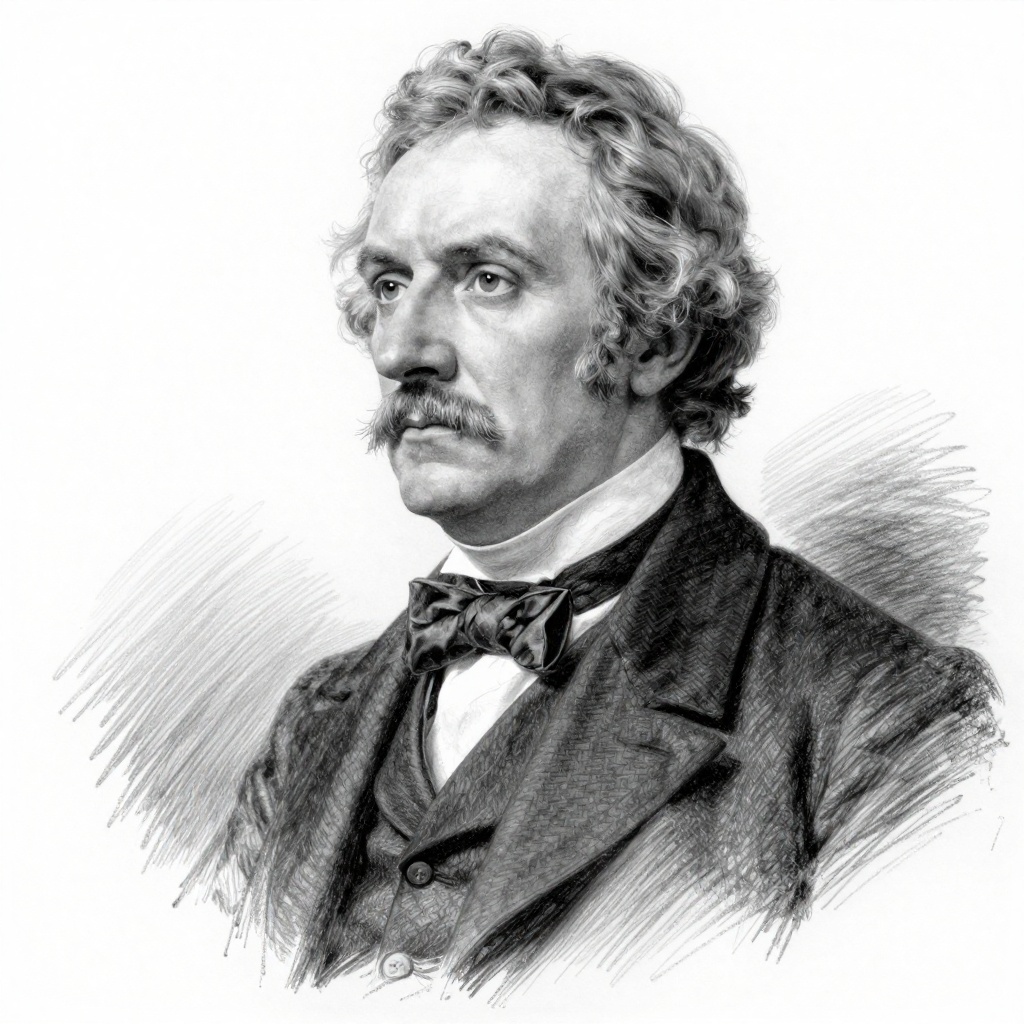
1729–1797·lived 68 years
Edmund Burke (1729–1797) was an Irish statesman, philosopher, and political theorist. He is best known for his advocacy of conservative thought, his opposition to the French Revolution, and his support for individual liberties and the rights of colonized peoples. Burke's writings had a profound influence on political philosophy and are considered foundational to modern conservatism.
Comments