Quote · Added 17 February 2026
Reading
AI generatedGrowth lives on the other side
We live in a culture obsessed with avoiding pain. We optimize, plan, insure, and strategize our way toward comfort, sometimes without noticing that we're also optimizing ourselves out of the experiences that actually shape who we become. Poe's point isn't romantic suffering for its own sake—it's that the hard moments, the ones that break us open, are often the only times we genuinely grow or understand anything real about ourselves or others.
Think about the people you actually respect. Rarely are they the ones who coasted. They're usually people who've been through something: loss, failure, disappointment. That struggle didn't just hurt them—it taught them resilience, compassion, or perspective they couldn't have gained any other way. A life protected from all friction isn't safer; it's smaller. The blessing Poe refers to isn't in the suffering itself, but in what we become willing to feel and learn because we had to.
This doesn't mean you should go looking for pain or romanticize struggle. It means recognizing that when difficulty shows up unbidden—and it will—resisting it completely might cost you more than going through it. The question isn't whether to avoid all suffering, but whether you're willing to let it mean something.
The author
All 9 quotes by Edgar Allan Poe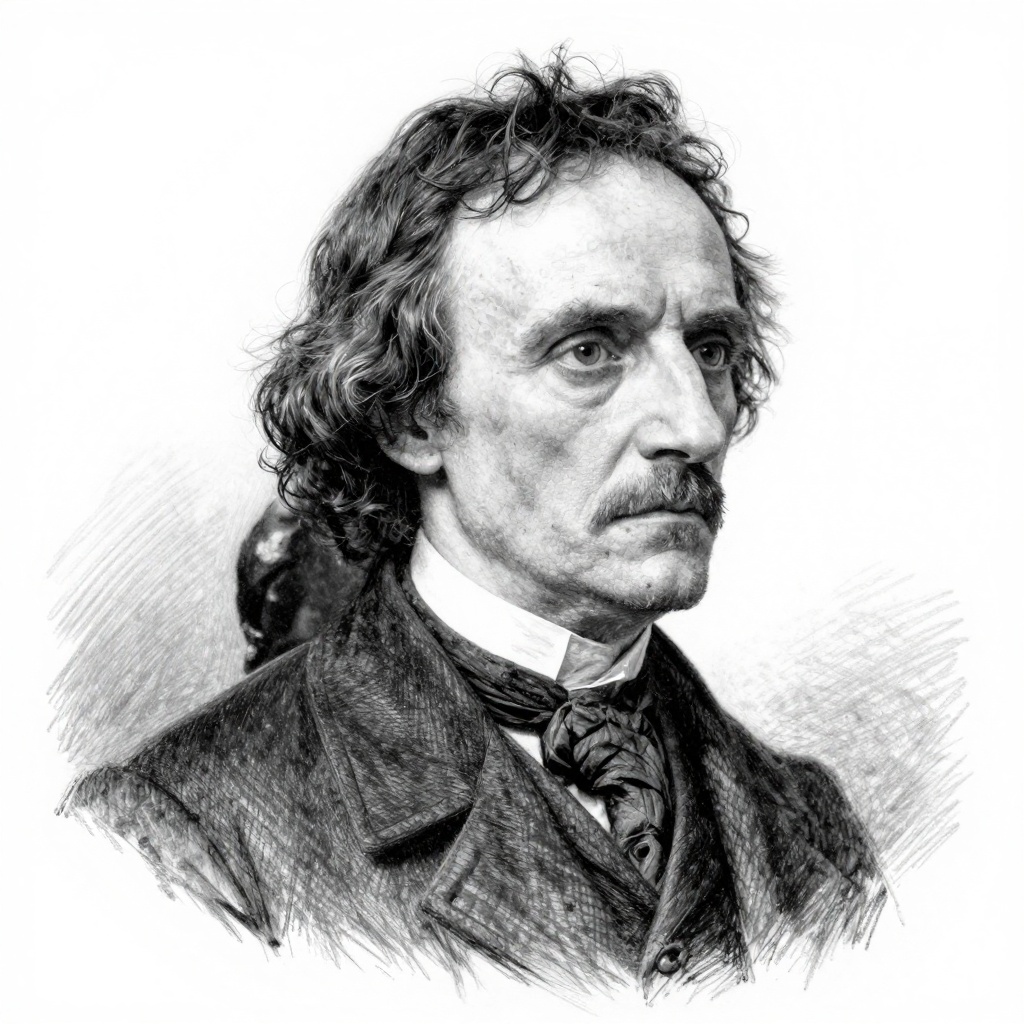
Edgar Allan Poe
1809–1849·lived 40 years
Edgar Allan Poe (1809–1849) was an American writer known for his dark and macabre short stories and poetry. He is considered a master of Gothic fiction and is famous for works such as "The Tell-Tale Heart," "The Raven," and "The Fall of the House of Usher." Poe's writings have had a lasting impact on literature and have influenced the development of the detective fiction genre.
Comments